The Tories introduced the 50% strike ballot threshold to make industrial action harder. MATT WRACK argues that a Labour government has no justification for leaving it on the statute book


 Latest editorial
Still the bad guys: the British empire after WWII
Despite the shockingly high number of Britons who are proud of the empire, even the BBC’s own recent radio documentary exposes the malevolent reality of British foreign policy, writes IAN SINCLAIR
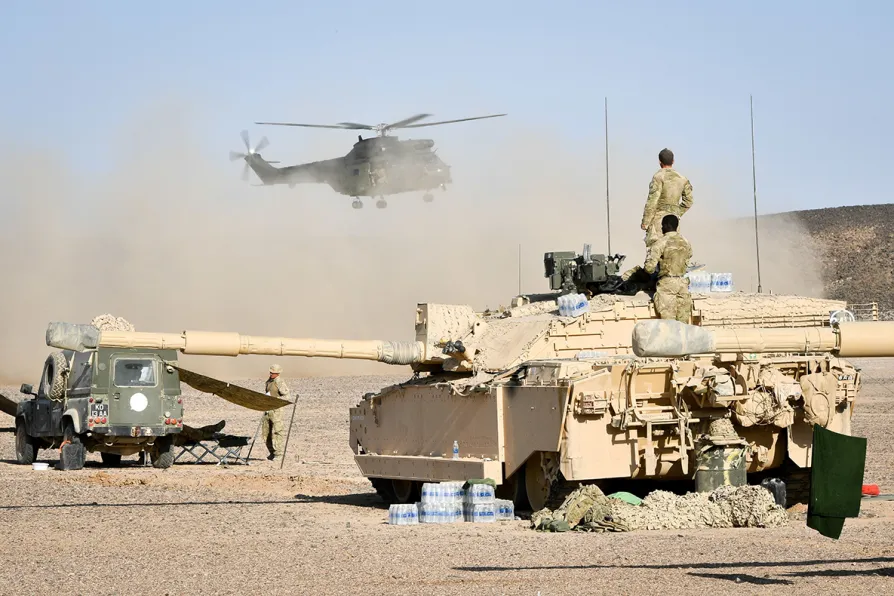 British soliders training in Oman in 2017
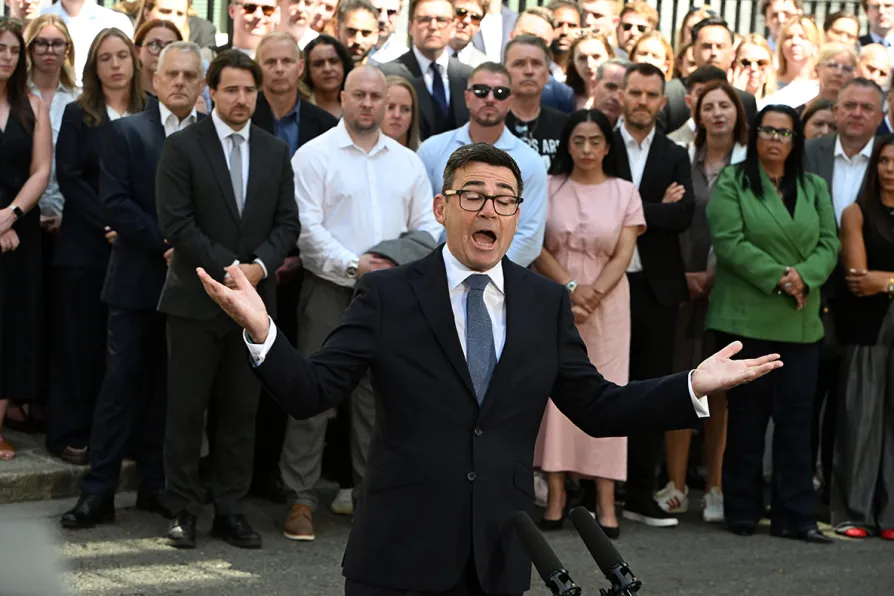
In the wake of Ann Widdecombe’s murder, JOHN GREEN wonders whether the government will really get to grips with the root cause of these attacks on our MPs
The new PM’s opening addresses offered hope, council homes and reform — but little detail on how any of it will be delivered, warns CLAUDIA WEBBE
Despite the screeching from the right-wing media, Burnham’s speech chimed with the public mood - and socialists should take advantage, says Morning Star editor BEN CHACKO
Scotland's Labour leader cannot continue to evade responsibility for the party's decline, argues LAUREN HARPER
Nature as well as society works dialectically, asserts the Marx Memorial Library and Workers’ School


IN the introduction to his first book, The Ambiguities of Power: British Foreign Policy Since 1945, historian Mark Curtis notes two broad approaches are available to those attempting to understand British foreign affairs.
“In the first, one can rely on the mainstream information system, consisting primarily of media and academia,” he explains. This approach frames British foreign policy as “fundamentally benevolent,” promoting grand principles such as peace, democracy and human rights.
No doubt this narrative informed the results of the recent Ipsos MORI poll, which found 34 per cent of Brits believe the British empire is something to be proud of, with just 16 per cent saying it is something to be ashamed of (around 40 per cent think it is something neither to be proud nor ashamed of).

Similar stories
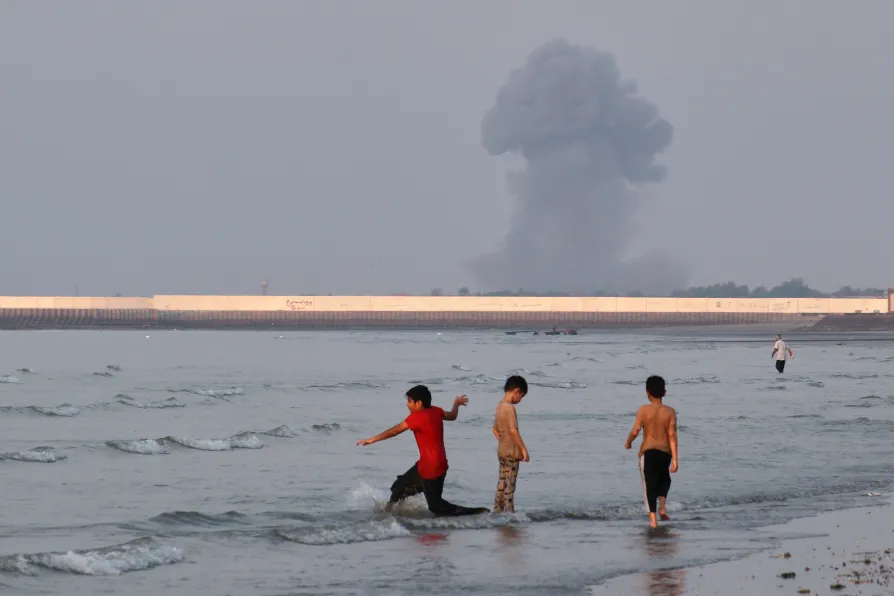
Behind the language of military strategy is a confrontation that risks drawing the wider Middle East into war, says STEVE BISHOP
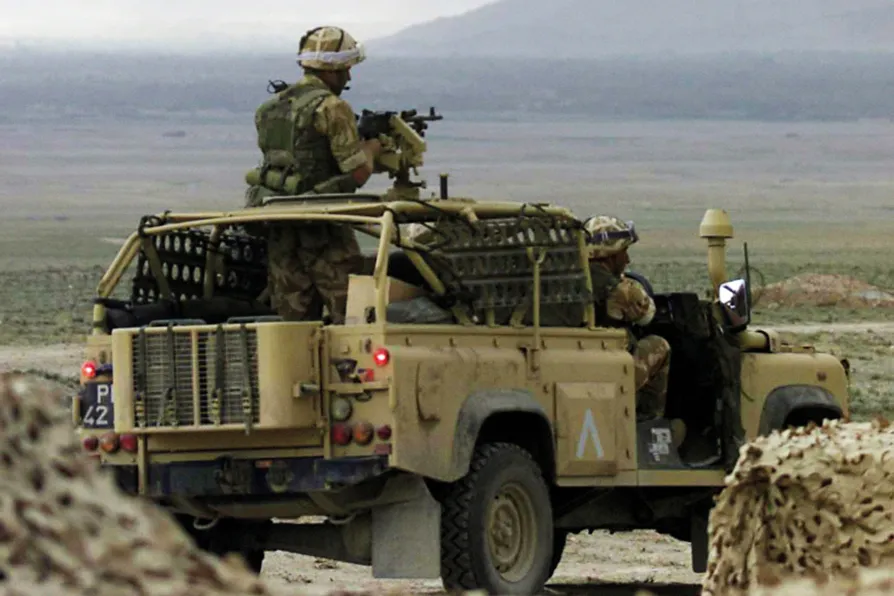
Outrage greeted Donald Trump’s suggestion earlier this year that Britain stayed off the front lines. But evidence suggests our forces were at times pulled from the most dangerous fighting — not by military failure, but by pressure at home, says IAN SINCLAIR

On January 2 2014, PJ Harvey used her turn as guest editor of the Today programme to expose the realities of war, arms dealing and media complicity. The fury that followed showed how rare – and how threatening – such honesty is within Britain’s most Establishment broadcaster, says IAN SINCLAIR
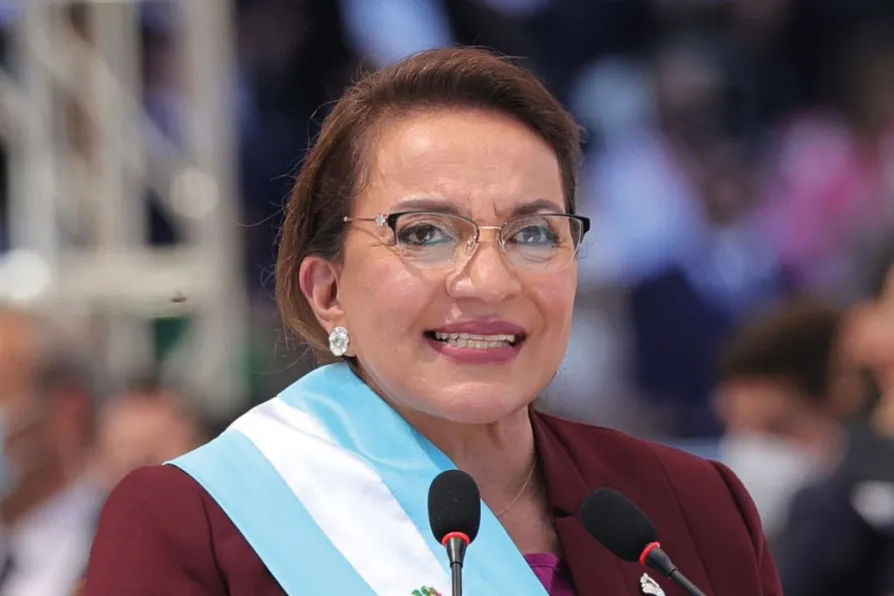
The US is desperate to stop Honduras’s process of social and democratic change, writes TIM YOUNG