

 Latest editorial
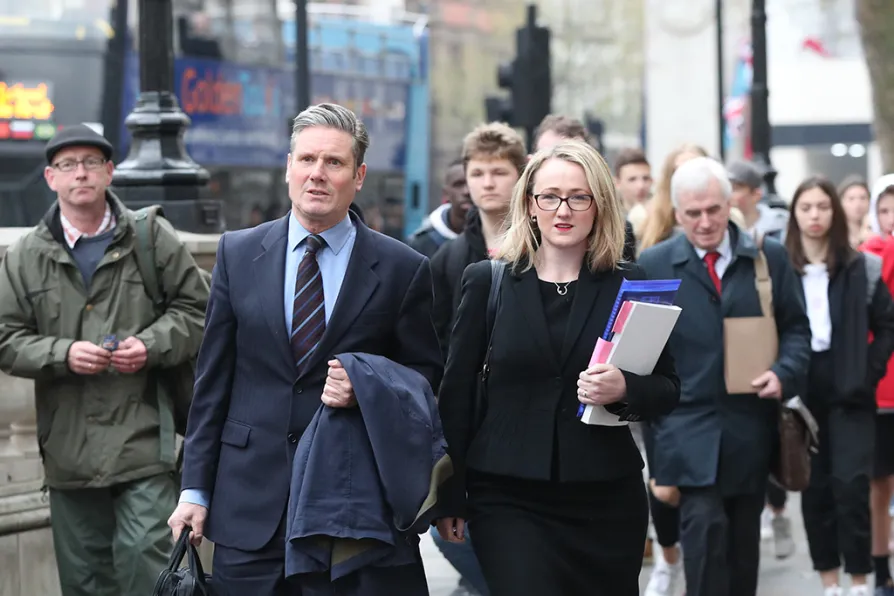 Keir Starmer and Rebecca Long Bailey
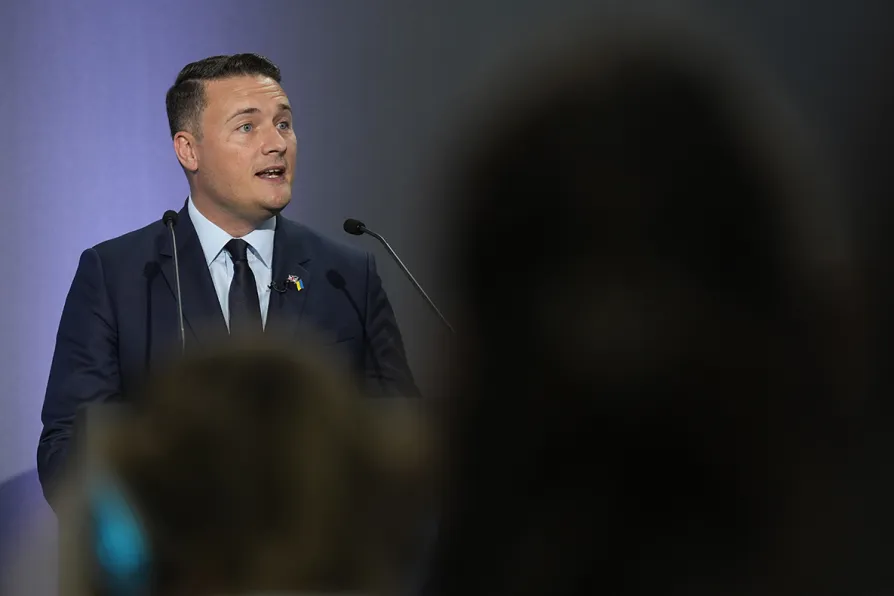
Waiting for the grander vision to emerge


IT IS no coincidence that the government has ramped up its attacks on Britain’s education unions following Keir Starmer’s decision to fire Rebecca Long Bailey.
Education Secretary Gavin Williamson’s jibe about the “no education union” and Boris Johnson’s accusation that trade unions are “entrenching social injustice” dovetail neatly with Labour front-bench leaks to the Telegraph.
These claim that Long Bailey failed to “stand up to the National Education Union” and “wasn’t open to working with the Tories.”
The anonymous source’s reference to unions as a “barrier … between a young person and their education” echoes the anti-union slander of Conservative ministers.
Actually, the National Education Union’s 10-point recovery plan represents a more detailed proposal on how to get children back to school safely than anything the government has published.
Rather than insulting unions for pointing out that most schools do not have sufficient space to implement social distancing requirements while opening to all pupils, the government should act on their calls to repurpose other venues for schooling and launch a recruitment drive to win back teachers who have left the profession — there is no shortage of those — in order to reduce average class sizes to 15.
The Organisation for Economic Co-operation and Development pointed out last autumn that Britain has the largest average primary school classes in the developed world.
Acting on education unions’ proposals would not only allow safe social distancing levels but would be of direct benefit to children long term.
Labour, whose leader is calling on the Conservatives to act on the looming joblessness crisis, ought to support a mass teacher recruitment drive unequivocally.
That it instead spent the weekend briefing Tory papers with Tory-style misrepresentations of trade union positions underlines the political significance of the decision to sack Long Bailey, as well as hinting at Starmer’s real motive for doing so.
Long Bailey’s replacement, Kate Green, was, like Starmer himself, a participant in the 2016 “chicken coup” aimed at removing Jeremy Corbyn as Labour leader and went on to run Owen Smith’s leadership campaign.
This confirms the total exclusion of the socialist left from leadership positions in the party.
The accompanying pot-shots at the unions show that one major plank of “Corbynism” — the return of the concept of the Labour Party as the political wing of the labour movement — is being removed.
Announcing that Labour will no longer campaign for the targets of the 2019 manifesto’s Green New Deal was clearly easier after ousting Long Bailey, who led on this policy area under Corbyn, and Starmer’s spokesman did this the very next day.
The Green New Deal combined two other key strengths of the Corbyn-led Labour Party: a recognition of the urgency of action to address the climate crisis and an understanding that doing so means confronting issues at the heart of the way the economy is currently run, such as the ownership and control of energy or the inability of the market to provide sustainable economic development.
In both it was out of step with a Labour Party which openly acknowledges that it wants to help the Conservative government get Britain back to business as usual, and has studiously avoided using the issues raised by the pandemic and Britain’s almost uniquely awful handling of it to push for systemic change.
But the Labour Party leadership’s desire to return politics to the Westminster bubble runs up against growing movements for social justice and the key role trade unions are playing as the first line of defence for workers and communities, both in terms of protecting their health and protecting their jobs.
The appetite for a radical break with the status quo expressed in the growth of a mass Labour Party and by the Brexit vote has not disappeared. Nor has the feeling that we cannot go back to the way things were.
Trying to bury the Corbyn project risks exposing Starmer as the one who is out of touch.

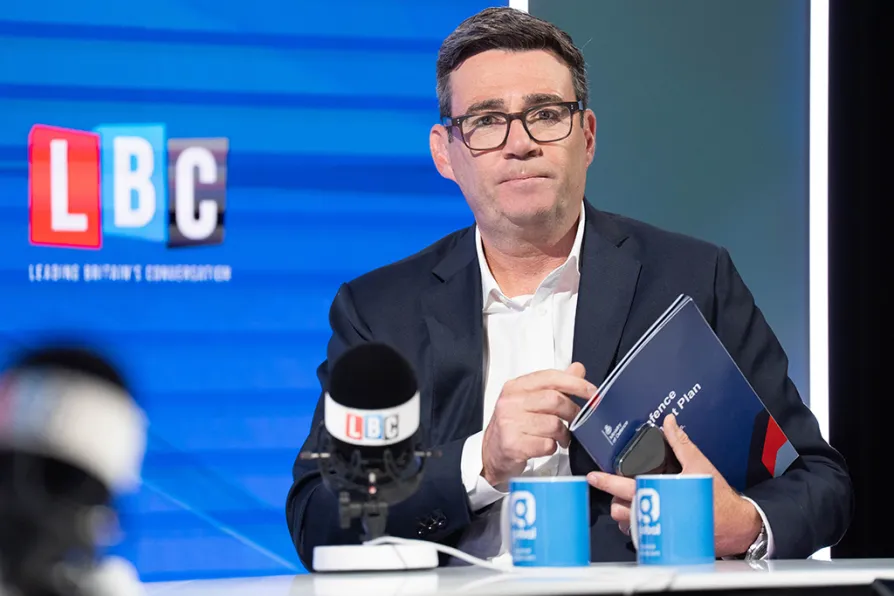
JOHN McINALLY sees little chance of change at Westminster, and calls on the left to get serious about building a real alternative
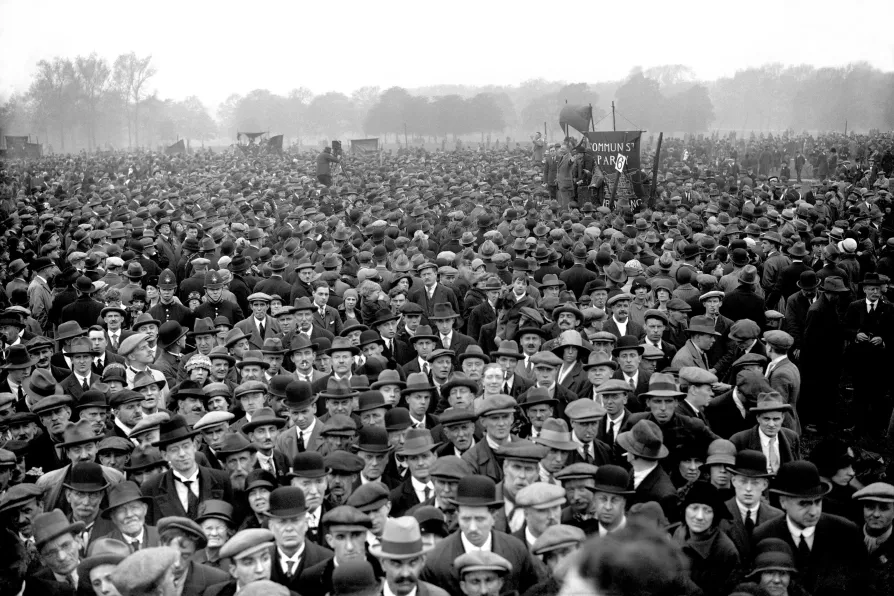
BEN CHACKO says in different ways, the centenary of the General Strike and that of Fidel Castro’s birth point to priority tasks for the British left in the coming year

With ‘Your Party’ holding its founding conference in Liverpool this weekend, JEREMY CORBYN speaks to Morning Star editor Ben Chacko about its potential, its priorities — and a few of its controversies too

Starmer sabotaged Labour with his second referendum campaign, mobilising a liberal backlash that sincerely felt progressive ideals were at stake — but the EU was then and is now an entity Britain should have nothing to do with, explains NICK WRIGHT