The Tories introduced the 50% strike ballot threshold to make industrial action harder. MATT WRACK argues that a Labour government has no justification for leaving it on the statute book


 Latest editorial
We need to commit to a more federal Britain
Everyone is rightly proud of the region or nation they are from — they deserve real tools to be able to improve it, argues NEIL FINDLAY MSP

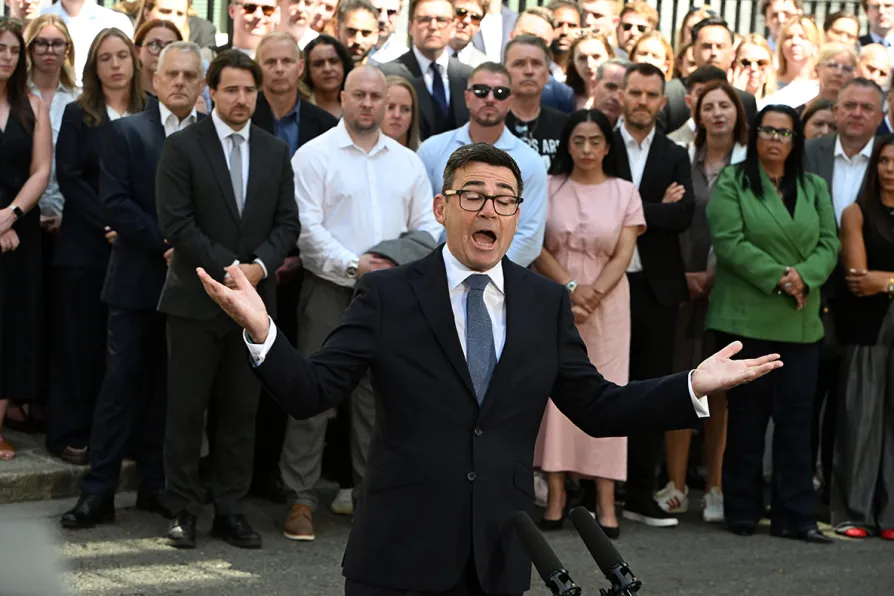
In the wake of Ann Widdecombe’s murder, JOHN GREEN wonders whether the government will really get to grips with the root cause of these attacks on our MPs
The new PM’s opening addresses offered hope, council homes and reform — but little detail on how any of it will be delivered, warns CLAUDIA WEBBE
Despite the screeching from the right-wing media, Burnham’s speech chimed with the public mood - and socialists should take advantage, says Morning Star editor BEN CHACKO
Scotland's Labour leader cannot continue to evade responsibility for the party's decline, argues LAUREN HARPER
Nature as well as society works dialectically, asserts the Marx Memorial Library and Workers’ School


SCOTTISH Labour cannot ignore or wish away constitutional realities a second longer. The issues of democracy, accountability, independence, devolution and regional and national identity are the issues that dominate the Scottish and, increasingly, the British political landscape.
If we look at governance across the UK, Scotland, Wales and Northern Ireland have their parliaments or assemblies.
There is the Greater London Authority, metro mayors, county councils, district councils, unitary authorities, metropolitan districts, London boroughs, town and parish councils.
Not to mention the Houses of Commons, the Lords and previously the European Parliament.
This myriad of different levels of government, each with different powers and responsibilities governed by politicians elected under different voting systems, is a dog’s breakfast.

Similar stories
![Durham Miners' Gala 2026 [Pic: Neil Terry]](https://morningstaronline.co.uk/sites/default/files/styles/desktop/public/2026-07/SSS_20260711_DURHAM_MINERS_GALA_0-21.jpg.webp?itok=NUVjowji)
Durham Miners’ Association chair STEPHEN GUY speaks to Ben Chacko about the Reform threat, what’s needed from Labour and why the Big Meeting will never lose its politics
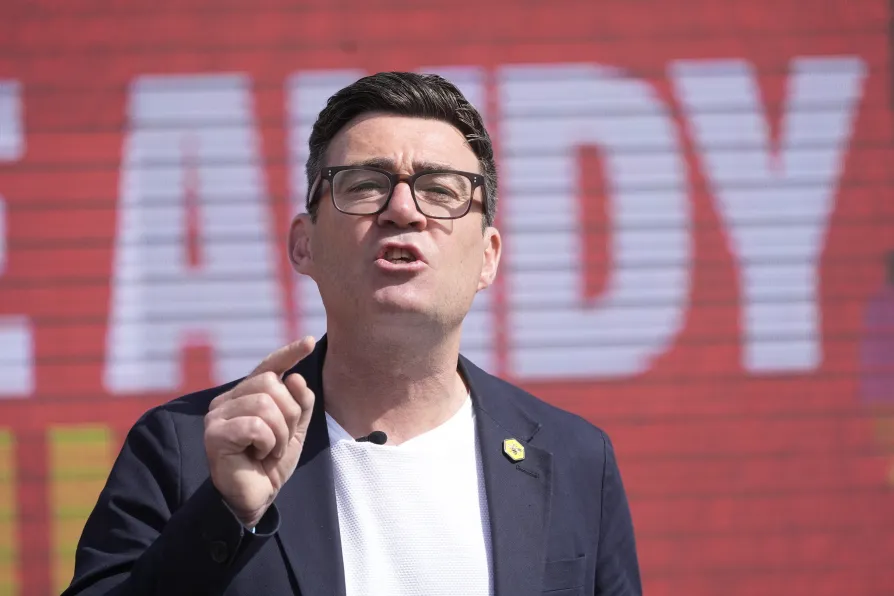
Burnham’s Makerfield triumph offers the party the opportunity to reconnect with working people, but only if it rejects business as usual, says CAROL MOCHAN MSP
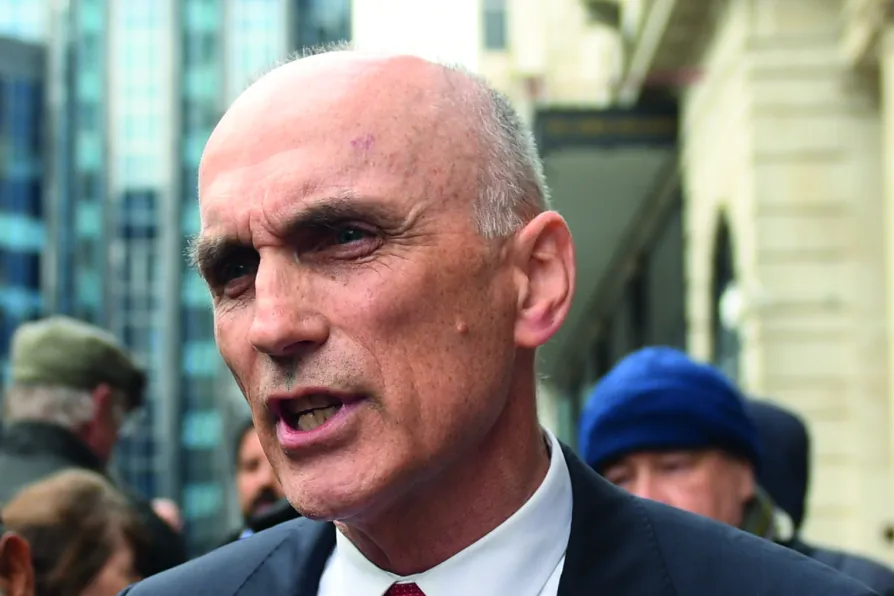
This by-election could plausibly see both Reform and Labour defeated — but splitting the left insurgent vote would put that at risk, argues CHRIS WILLIAMSON
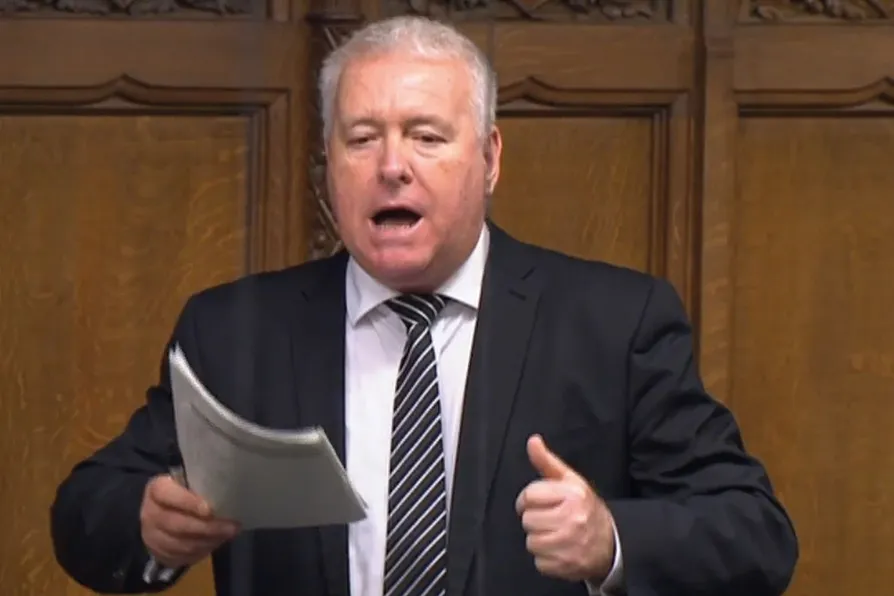
All the areas that cause working people to feel insecure have to be addressed, through a return to unashamedly pro-worker politics, if the horror of a Farage government is to be avoided, writes IAN LAVERY MP