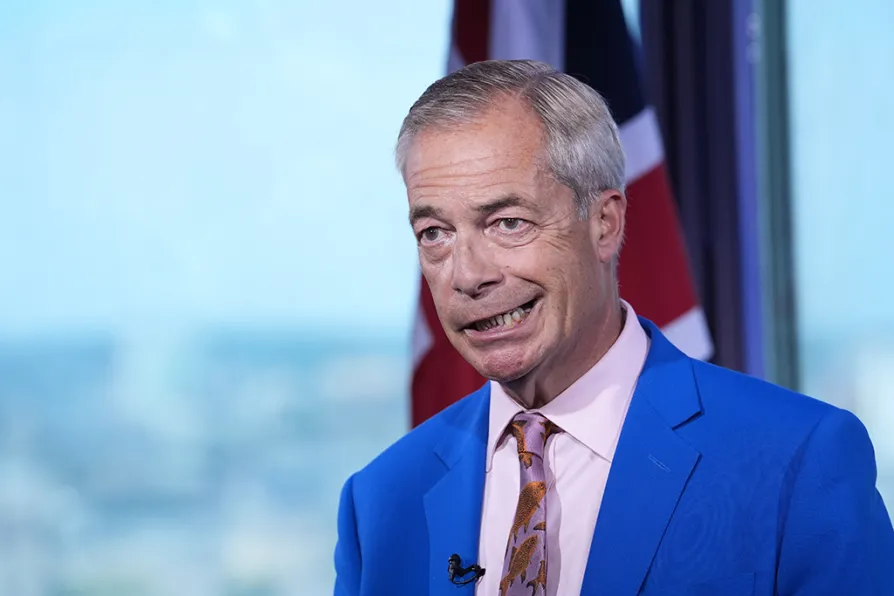
Assistant general secretary of the General Federation of Trade Unions HENRY FOWLER reports on day 1 from the GFTU’s residential Summer School at Quorn Grange Hotel


 Latest editorial
'I’m sorry… I’m afraid I can’t do that': Bloomberg and the pod bay doors of capital
MILES ELLINGHAM details the societal corrosiveness of Michael Bloomberg’s campaign to become the Democratic nominee and a rundown of his track record
 As reported in the Washington Post, Bloomberg’s business information company has also been hit with “nearly 40 discrimination and harassment lawsuits from 64 employees, many of whom contend that he cultivated a boys’ club atmosphere from the top down.”
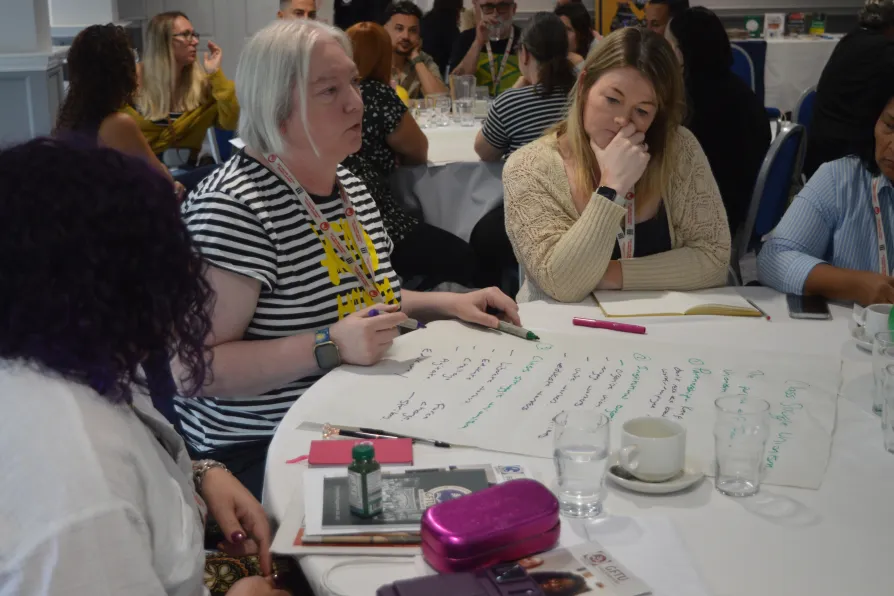
Strike Map co-founder HENRY FOWLER discusses the significance of today’s joint union letter to video game giant Rockstar, demanding trade union recognition for its workers. Their conversation highlights how our movement can harness its collective power to rebuild union power across the private sector
The PM leaves office having squandered Labour’s electoral mandate and alienated its grassroots. He will not be missed, writes BRIAN LEISHMAN MP
Durham Miners’ Association chair STEPHEN GUY speaks to Ben Chacko about the Reform threat, what’s needed from Labour and why the Big Meeting will never lose its politics
Poland’s anger over Ukraine’s celebration of the Nazi collaborationist UPA reflects more than historical grievance, says KENNY COYLE
Can Andy Burnham’s programme deliver a productive economy – or merely a softer version of capitalism, asks VINCE MILLS


LAST week Michael Bloomberg stepped into his second debate of the democratic primaries. Since officially announcing his campaign for president last November the ex-New York mayor and 9th richest person in the world has spent delirious sums of money on, among other things: 2.4 billion Facebook campaign ads, an onslaught of TV commercials, a 60-second slot at the super bowl, pay-per-click Google ads, “self-aware ironic memes” from Instagram influencers, five hundred “digital organisers,” billboards and the conscription of his own television network to produce investigations into the rival Sanders and Warren campaigns’ apparent overspending on Amazon office supplies.
The injection of this “arrogant billionaire” (as fellow potential nominees have dubbed him) into the 2020 Democratic primary not only underlines an immense and uncanny hypocrisy on the part of any proposed Democratic Bloomberg supporters, but also a sinister watershed moment in the relationship between Western democracies and the billionaire class — the closing of the pod-bay doors of capital, the mask finally slipping, once and for all.
Now let’s not kid ourselves — the super rich have been pulling the strings in politics forever. They have their own interests — almost exclusively concerning taxes — and any political movement willing to shoulder those interests can consider themselves the lucky beneficiary of unswerving financial support. Here in Britain, perhaps with exception of Tony Blair, the billionaire class have typically favoured the Tory Party — after all, if there’s one thing you can count on a Tory for, it’s an inheritance-retaining, trust-fund cementing, estate-ensuring tax policy.

Similar stories
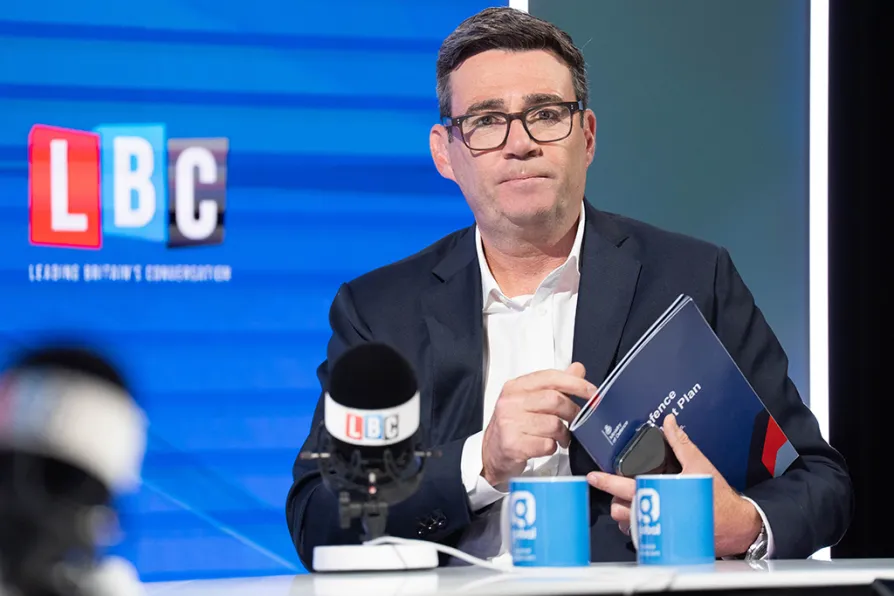
JOHN McINALLY sees little chance of change at Westminster, and calls on the left to get serious about building a real alternative