HENRY FOWLER, assistant general secretary of the General Federation of Trade Unions (GFTU), reports on Day 2 from the GFTU’s residential Summer School at the Workers’ Retreat, Quorn Grange Hotel


 Latest editorial
A nuclear explosive revelation
Britain’s WMD warhead replacement is being undertaken in collaboration with the US behind the back of parliamentary scrutiny, writes DAVID LOWRY
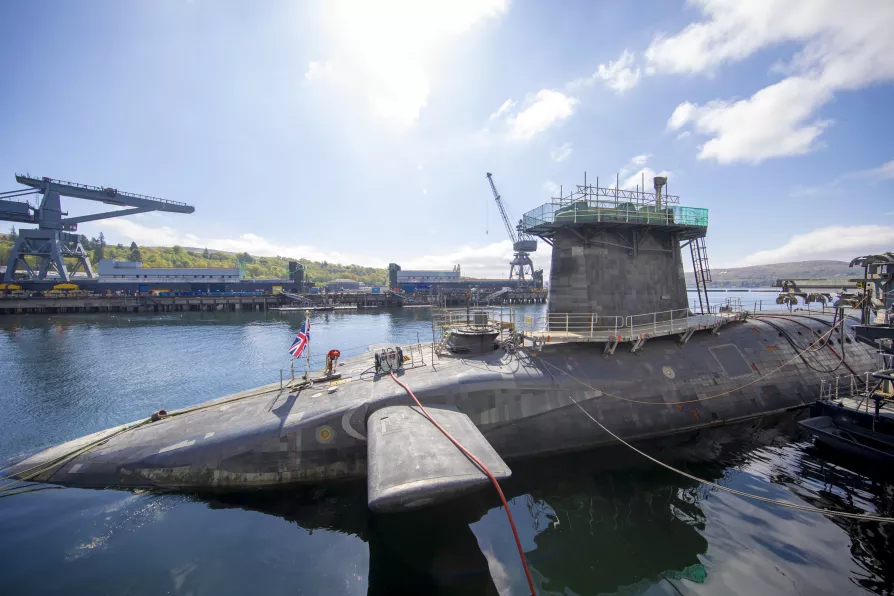 HMS Vigilant at HM Naval Base Clyde, Faslane, which carries Britain’s Trident nukes
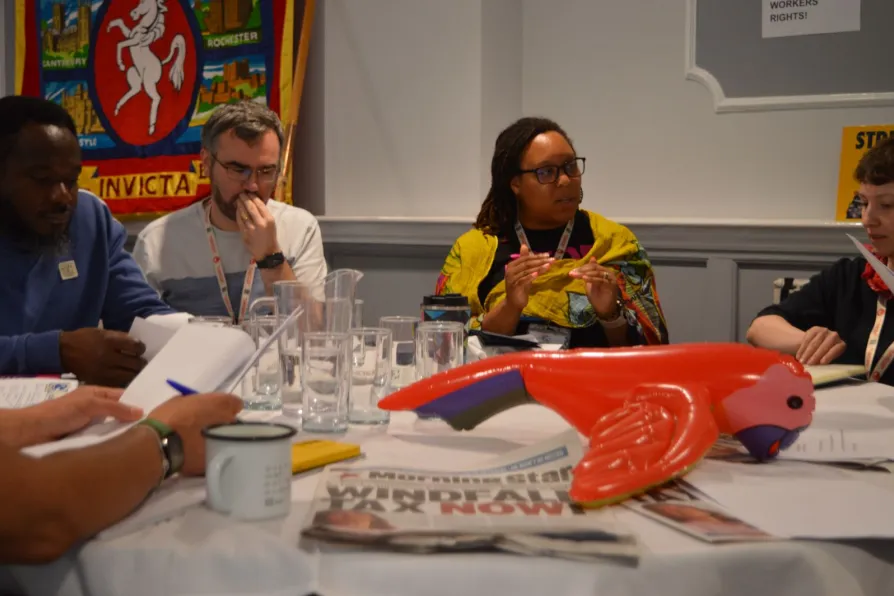
Assistant general secretary of the General Federation of Trade Unions HENRY FOWLER reports on day 1 from the GFTU’s residential Summer School at Quorn Grange Hotel
MPs and others called for the urgent release of tortured Palestinian doctor, Hussam Abu Safiya, held hostage by Israel and reportedly near death, reports LINDA PENTZ GUNTER
Strike Map co-founder HENRY FOWLER discusses the significance of today’s joint union letter to video game giant Rockstar, demanding trade union recognition for its workers. Their conversation highlights how our movement can harness its collective power to rebuild union power across the private sector
Capitalism has exploited — and polluted — our natural resources for too long, it’s time we treated our rivers as living beings, writes MIRIUM GAUNTLETT, LIAM SHAW and ROX MIDDLETON
The PM leaves office having squandered Labour’s electoral mandate and alienated its grassroots. He will not be missed, writes BRIAN LEISHMAN MP


DEFENCE Secretary Ben Wallace issued a written statement late on Tuesday afternoon, asserting: “To ensure the government maintains an effective deterrent throughout the commission of the Dreadnought class ballistic missile submarine we are replacing our existing nuclear warhead to respond to future threats and the security environment.”
This followed an exclusive in Sunday’s Observer that broke probably the most important news story of the week, although for reasons hard to fathom, the editor placed it on page 20.
Broken by investigative reporter Jamie Doward — who has a track record of breaking nuclear stories governments don’t want the media to report — it concerned the long-expected development, now confirmed by the MoD, of Britain collaborating with the US to replace the ageing Trident nuclear warheads — jointly designed by Aldermaston and Los Alamos weapons labs scientists — in its stockpile.

Similar stories
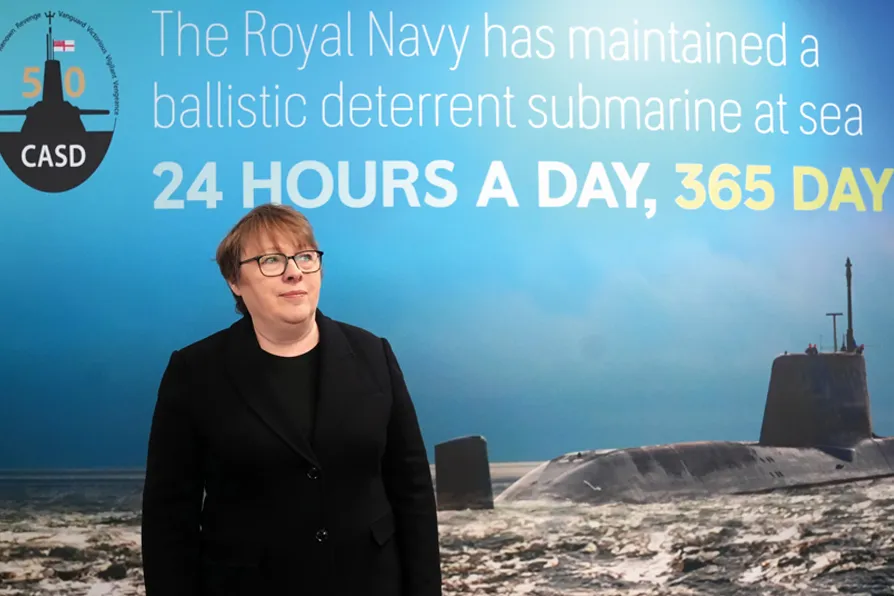
Expanding Britain’s nuclear capability increases the risk of nuclear confrontation. It does not keep us safe – it makes us a target, argues CAROL TURNER


For 80 years, survivors of the Hiroshima and Nagasaki atomic bombings have pleaded “never again,” for anyone. But are we listening, asks Linda Pentz Gunter