The basis for 20th-century social democracy in Britain is gone, argues ANDREW MURRAY – but there are measures a Burnham government could take that would break with neoliberalism


 Latest editorial
CND in Scotland — ‘needed now more than ever’
ARTHUR WEST, chair of Scottish CND, looks back at a year of campaigning ahead of the organisation’s AGM
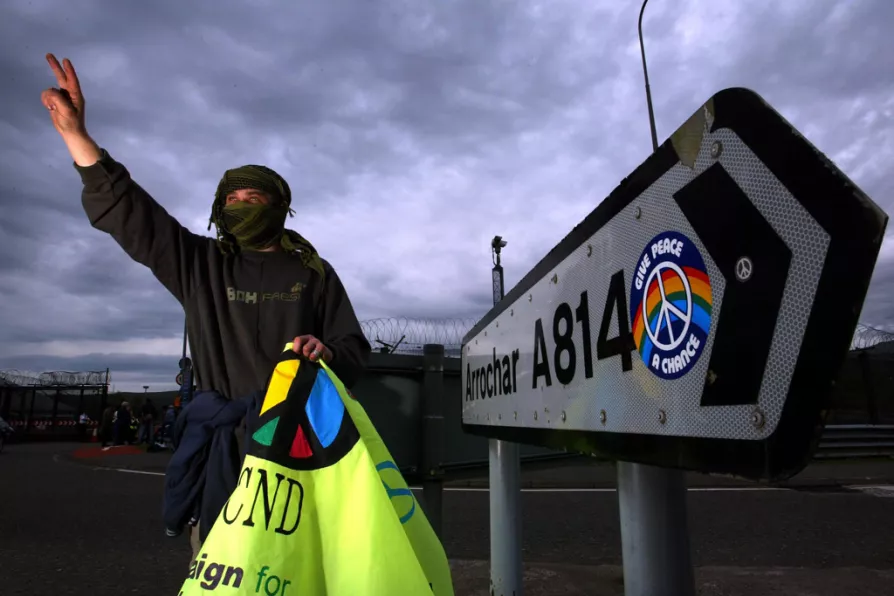 A CND activist outside the Faslane naval base in Scotland
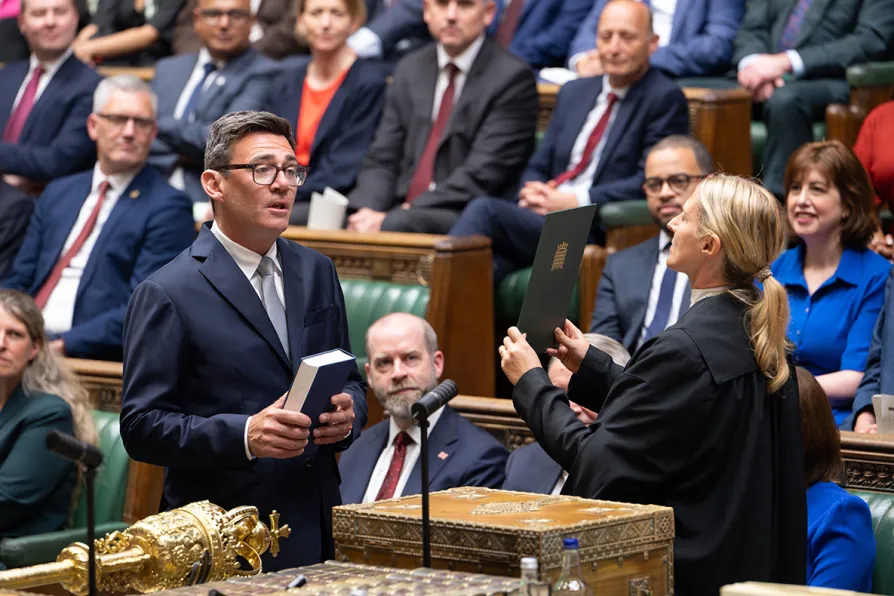
TONY BURKE pays tribute to a dedicated trade unionist and true internationalist who helped organise workers from Britain to Bangladesh
NASUWT leader MATT WRACK says schools are crying out for serious investment — and there are other immediate changes a new prime minister could and should enact
Keir Starmer’s resignation speech seemed to be coming from a different universe, or maybe it was just a fanfaronade of falsehoods, writes LINDA PENTZ GUNTER
Starmer will be judged on his record, but it would be wrong to view him in isolation from the crisis of the British political establishment, says the COMMUNIST PARTY in its official statement on the PM’s resignation
Over 1,000 hostile US sanctions remain in place on Venezuela, while Britain continues its colonial theft of gold, writes MATT WILLGRESS


IN Scotland we are very conscious that 25 miles down the road from our biggest city the Faslane naval base houses the Trident Nuclear Weapons system.
Trident is a fearsome weapon of mass destruction. Each Trident warhead is at least six times more powerful than the bomb dropped on the Japanese city of Hiroshima at the end of the second world war.
If the Britain were ever to use such a weapon, even against military targets, it would cause millions of deaths and injuries.

Similar stories
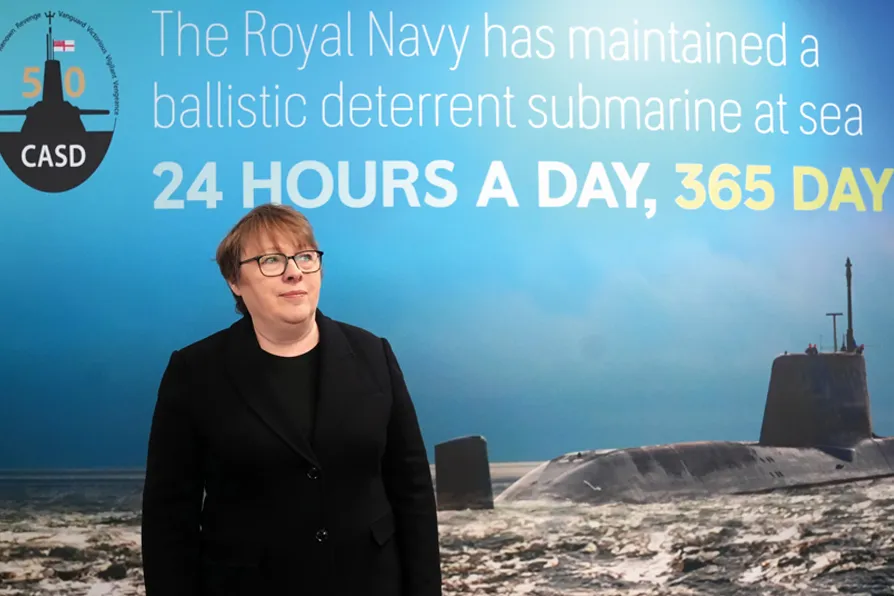
Expanding Britain’s nuclear capability increases the risk of nuclear confrontation. It does not keep us safe – it makes us a target, argues CAROL TURNER
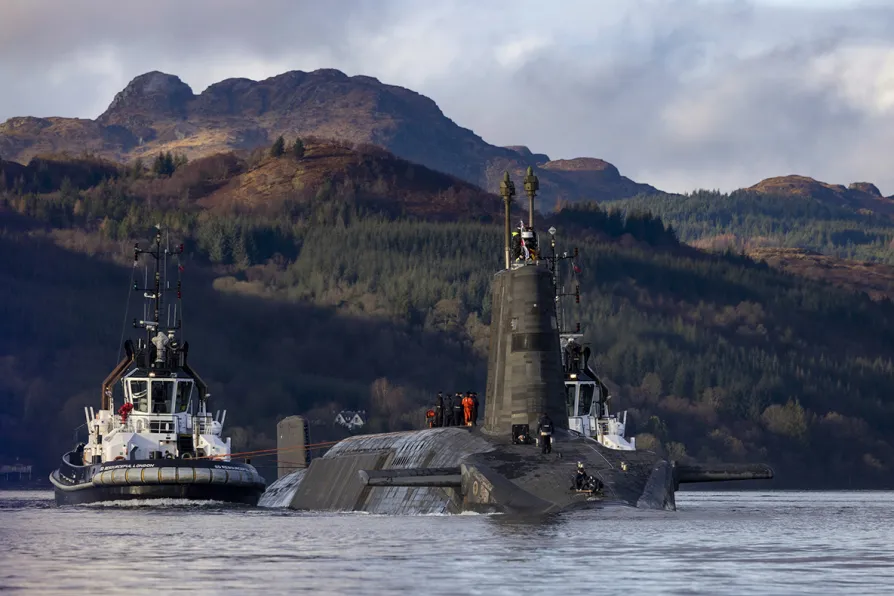
Campaigns against nuclear weapons on the Clyde, financial backing for arms firms and rising militarism are converging with solidarity for Palestine, as Scotland’s peace movement builds momentum ahead of the 2026 Holyrood election, says ARTHUR WEST

Starmer sabotaged Labour with his second referendum campaign, mobilising a liberal backlash that sincerely felt progressive ideals were at stake — but the EU was then and is now an entity Britain should have nothing to do with, explains NICK WRIGHT