The Tories introduced the 50% strike ballot threshold to make industrial action harder. MATT WRACK argues that a Labour government has no justification for leaving it on the statute book


 Latest editorial
The persistence of traditional gender norms in housework
Ian Sinclair talks to PROFESSOR ANNE McMUNN about why the burden of unpaid domestic work is so unequally divided between men and women


In the wake of Ann Widdecombe’s murder, JOHN GREEN wonders whether the government will really get to grips with the root cause of these attacks on our MPs
The new PM’s opening addresses offered hope, council homes and reform — but little detail on how any of it will be delivered, warns CLAUDIA WEBBE
Despite the screeching from the right-wing media, Burnham’s speech chimed with the public mood - and socialists should take advantage, says Morning Star editor BEN CHACKO
Scotland's Labour leader cannot continue to evade responsibility for the party's decline, argues LAUREN HARPER
Nature as well as society works dialectically, asserts the Marx Memorial Library and Workers’ School


FROM the Everyday Sexism Project, to Chimamanda Ngozi Adichie’s bestselling essays and the #MeToo movement, there has been a huge upsurge in feminist activism in recent years.
Professor Anne McMunn
However, while the topic of unpaid domestic work, aka housework, was a key concern of second wave feminism in the 1970s, it seems to be largely ignored by contemporary mainstream feminism.
In an attempt to get a handle on the issue, Ian Sinclair asked Anne McMunn, professor of social epidemiology at University College London, about her new co-authored article Gender Divisions of Paid and Unpaid Work in Contemporary UK Couples, published in the journal Work, Employment and Society.

Similar stories
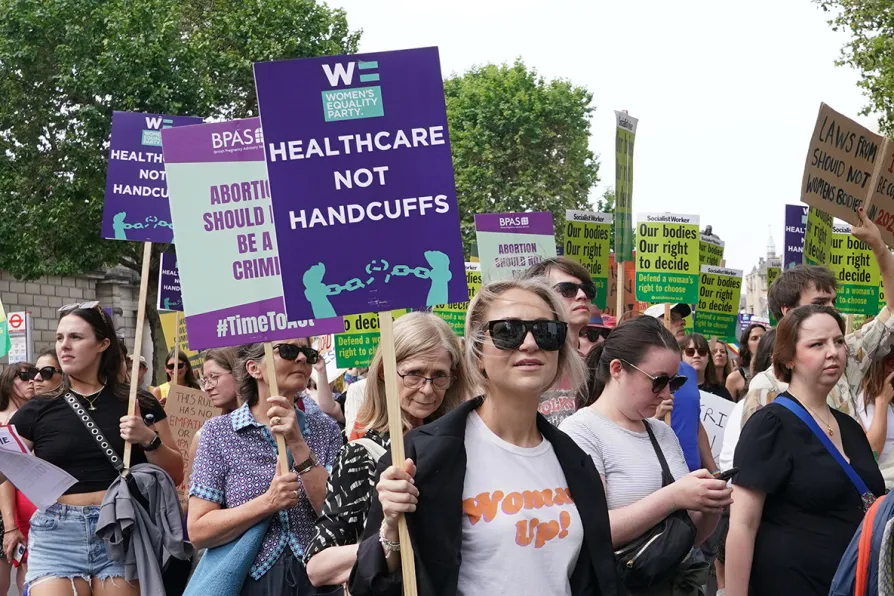
Professor MARY DAVIS argues that feminism has been hollowed out by liberal co-option – and only a revival of socialist, class-based politics can restore International Working Women’s Day’s original, radical purpose
Comments from Matt Goodwin and Danny Kruger expose a reactionary vision in which falling birth rates are blamed on women, says JUDITH CAZORLA
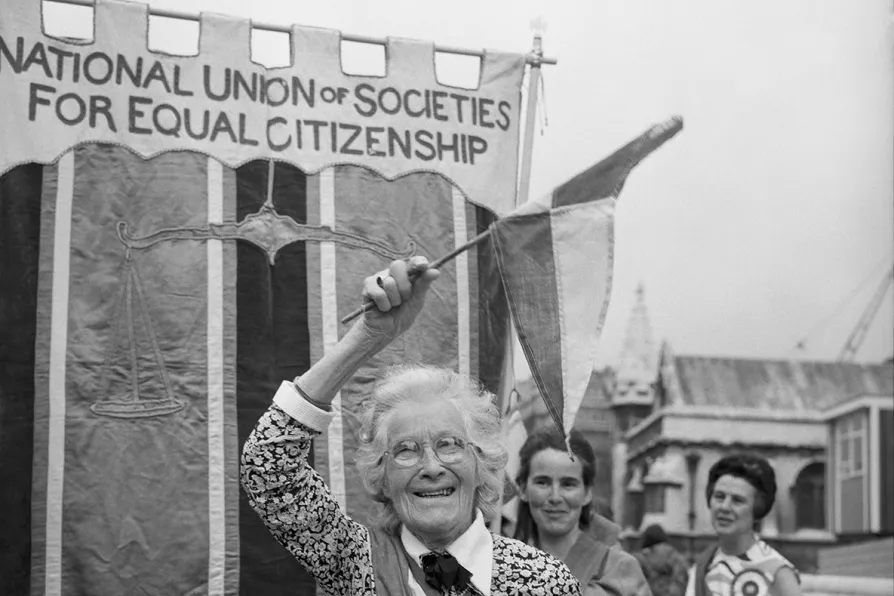
Half a century after transformative laws reshaped Britain, women’s rights are again contested. This International Women’s Day is a call to remember how change was won, and to organise to defend it, says KATE RAMSDEN
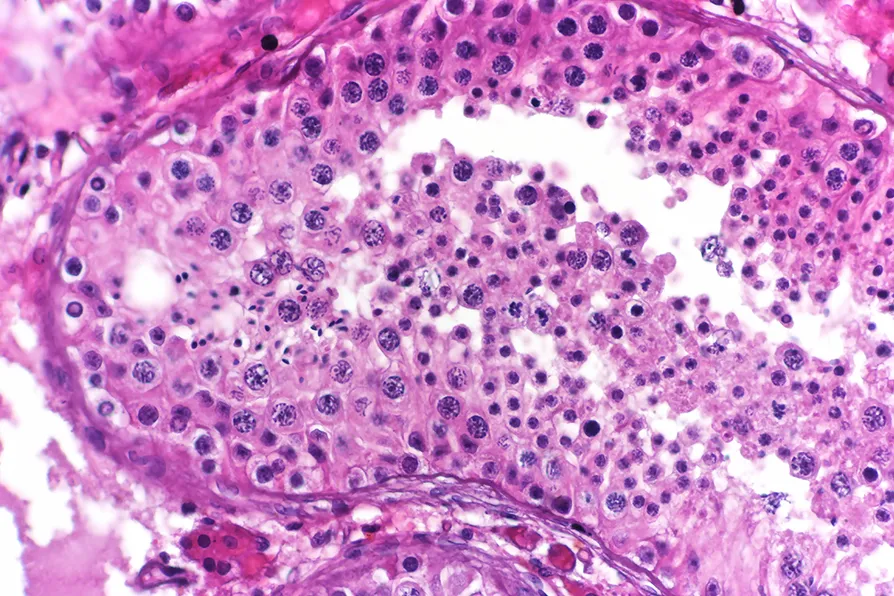
New research into mutations in sperm helps us better understand why they occur, while debunking a few myths in the process, write ROX MIDDLETON, LIAM SHAW and MIRIAM GAUNTLETT