The Tories introduced the 50% strike ballot threshold to make industrial action harder. MATT WRACK argues that a Labour government has no justification for leaving it on the statute book


 Latest editorial
Money myths that make most poorer
CHRIS MENON challenges some of the popular misconceptions which disguise how the economy is run in the interests of a tiny minority

In the wake of Ann Widdecombe’s murder, JOHN GREEN wonders whether the government will really get to grips with the root cause of these attacks on our MPs
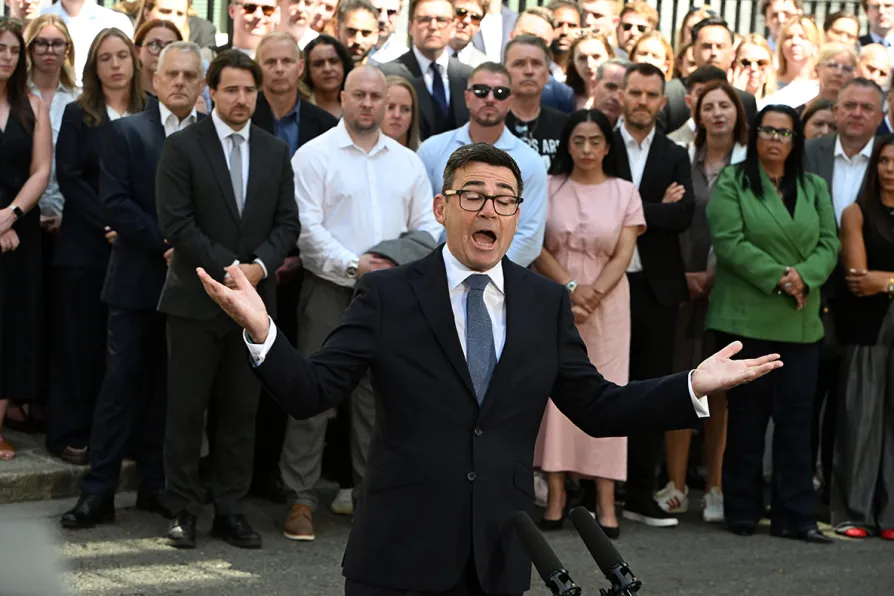
The new PM’s opening addresses offered hope, council homes and reform — but little detail on how any of it will be delivered, warns CLAUDIA WEBBE
Despite the screeching from the right-wing media, Burnham’s speech chimed with the public mood - and socialists should take advantage, says Morning Star editor BEN CHACKO
Scotland's Labour leader cannot continue to evade responsibility for the party's decline, argues LAUREN HARPER
Nature as well as society works dialectically, asserts the Marx Memorial Library and Workers’ School


THERE are many money myths that are used as intellectual cover to maintain a financial system that benefits an elite at the expense of the majority.
These orthodoxies are repeated ad nauseam in most mainstream media and are rarely questioned in public discourse. Here are three:

Similar stories

Only an ambitious programme of state-led investment can restore growth and improve living standards, argues MICHAEL BURKE

Friedrich Merz’s call for a new Plaza Accord ignores how Washington’s 1985 currency ambush destroyed Japan without fixing US deficits — China, a sovereign socialist state with 1.4 billion consumers, cannot be bullied the same way, writes CARLOS MARTINEZ

If the government really wanted to address public finances, improve living standards and begin economic recovery, it would increase its borrowing for investment, argues MICHAEL BURKE

It’s the dramatic rise of China with its burgeoning economy that has put the Trump administration into a frenzy – with major implications both at home and abroad, argues MICHAEL BURKE