Andy Burnham’s message of hope will defeat Reform if Labour delivers the New Deal for Working People in full, says JOANNE THOMAS


 Latest editorial
Education for tomorrow
A new journal will be a radical challenge to educational hegemony, writes PHIL YEELES
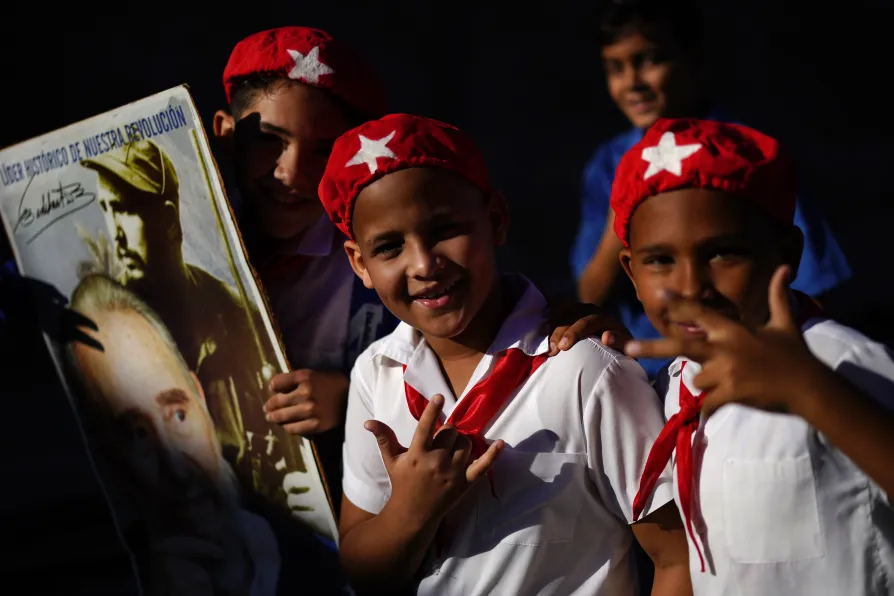 The radical journal will contain a comparative piece on the Cuban education system.
The government’s latest asylum proposals abandon labour movement values and fuel division by aping Reform UK, writes DIANE ABBOTT MP
IAN LAVERY MP warns that decades of neoliberal policies have left former industrial communities behind — but a renewed Labour commitment to working people could change the political landscape
We need a government that invests in saving lives not destroying them, argues SOPHIE BOLT
HENRY FOWLER outlines the GFTU’s new 2026-27 education programme and argues that investing in trade union education is essential to building worker power, developing leaders and strengthening collective action
PAOLO SANTALUCIA reports on how an Italian region defies US pressure to end a Cuban doctors programme


ANTONIO GRAMSCI recognised that schools serve to reinforce the dominant ideas, or hegemony, of the ruling class. Paulo Freire saw the potential for education to act as a liberating force. Today, our schools fulfil both of these contradictory roles, and it is the responsibility of the class-conscious educator to ensure that critical values are inculcated in pupils, giving them the freedom to identify and confront oppression wherever they see it in society.
At a time of increasing class tensions, and continuing pressure being put upon schools and educators in accordance with the neoliberal ideology of our government, it is more important than ever for schools to be places where hegemony is not reinforced, but challenged. Education for Tomorrow has been refounded for all those who share our values of criticality and class consciousness. We do not represent any political party, but we are firmly rooted in working-class politics, bringing attention to workers’ struggles and emancipatory pedagogy.
The first issue of the new Education for Tomorrow covers a range of radical pedagogies. There is a critique of the “knowledge curriculum,” and studies of the work of Freire, Guevara, Vygotsky and Flecha. Neurobiology and the myth of measurable intelligence are tackled, as are regional analyses of British education and a comparative piece on the Cuban education system.

Similar stories
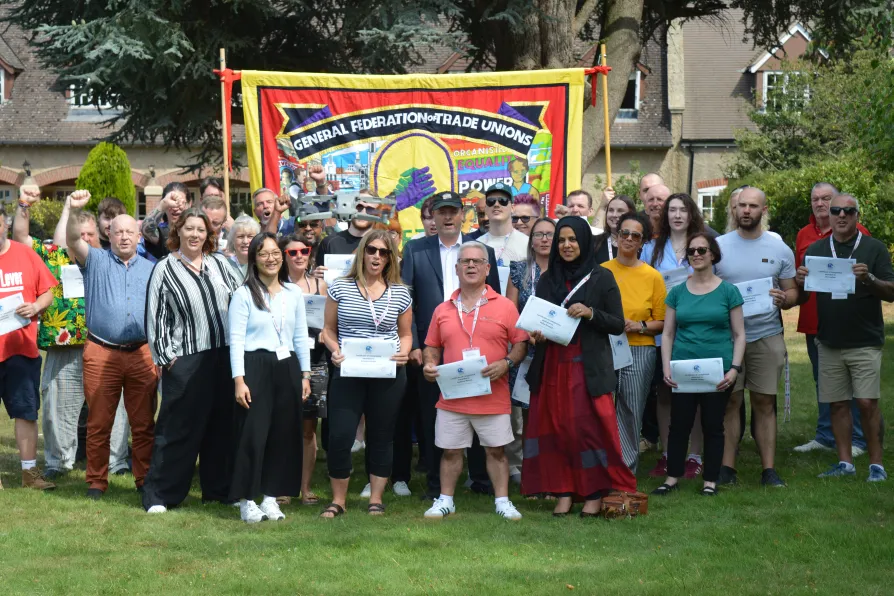
General Federation of Trade Unions president and bakers’ union general secretary, SARAH WOOLLEY, guides us through the GFTU’s Summer School happening this week at Quorn Grange Hotel
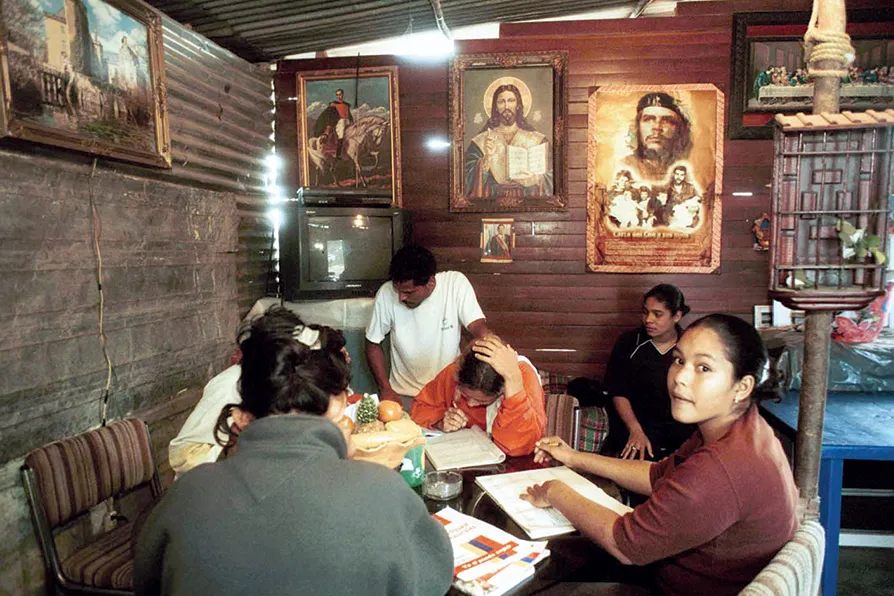
ISAAC SANEY points to the global stakes involved in defending the Cuban revolution against imperialism and calls for resistance
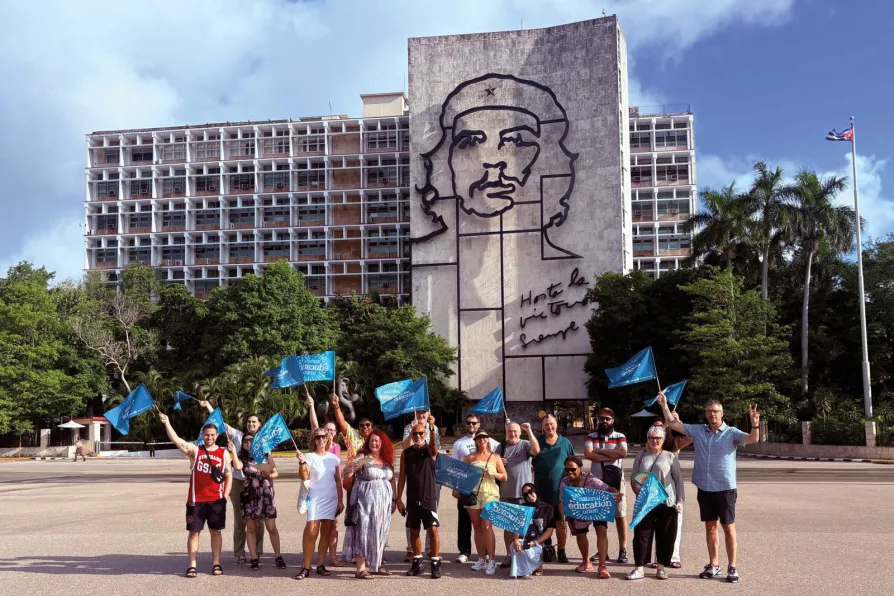
A teaching delegation to Cuba offered IAN DUCKETT a powerful glimpse into a schooling system defined by care, creativity and the legacy of the island’s remarkable 1961 literacy campaign
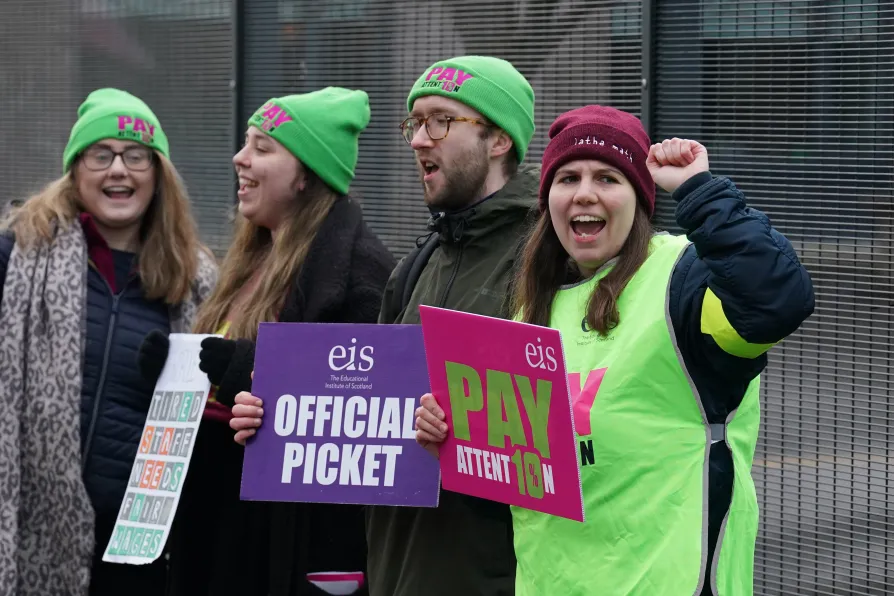
With 12,000 fewer teachers since 2010 and dwindling resources, Scotland’s schools desperately need investment to support diverse learners rather than empty promises from politicians, writes ANDREA BRADLEY