All the evidence shows voters want Labour to shift to the left — but initial signs from Andy Burnham are worrying on that front, cautions DIANE ABBOTT


Roy’s divisions
A look back at the work of Roy Jenkins in empowering the EU over its member states, before betraying Labour to found the first incarnation of the Lib Dems, tell us all we need to know about today’s pro EU ‘socialists,’ writes ROB GRIFFITHS
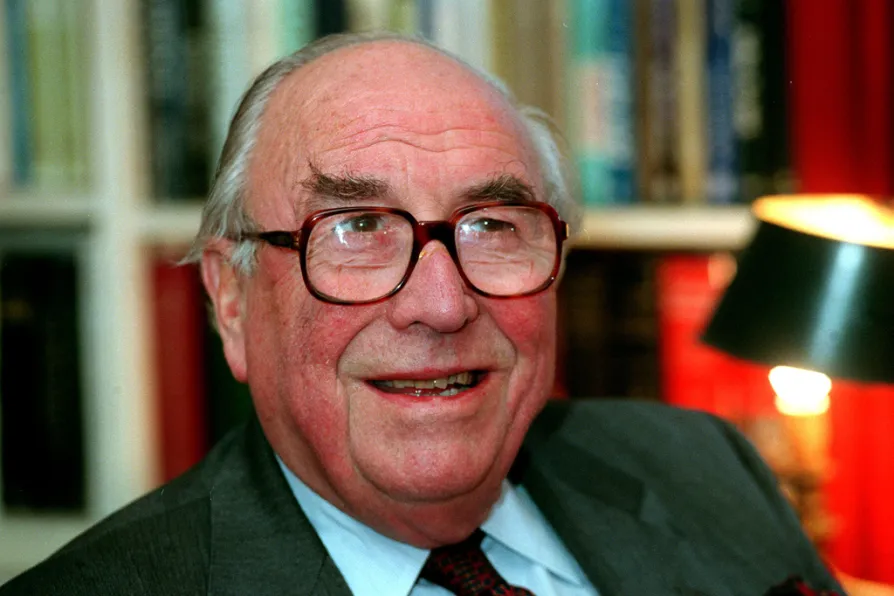
 Roy Jenkins

ANDY McDONALD MP says Labour must show it is capable of delivering real improvements in people’s lives — bold action is required
ANGUS REID and ANDREW JOHNSTONE report on an initiative that we must take this summer
ALLISON FEWTRELL on what Plaid Cymru's historic election victory means for the communities being failed by Wales’s housing crisis, and four things the new government can do right now
France Insoumise MP JEROME LEGAVRE speaks to Christophe Domec on building the Europe-wide peace movement that came together in the International Conference Against War last weekend
At last weekend’s International Conference Against War, LINDA PENTZ GUNTER talks to the Palestinian physician and politician about the struggles ahead to achieve a truly free Palestine


ROY JENKINS had been an orthodox Labour chancellor of the Exchequer and a reforming home secretary before he took up the presidency of the European Commission in 1977.
Always on the right of the party, he had long been an enthusiast for the European Common Market and its subsequent incarnations.
By the time of his appointment in Brussels, he had lost much of the social democratic ethos that separated him from the Tories and the Liberals — and that had made him a staunch opponent of the left and socialism.
While he still believed that the welfare state played an important, civilising role in society, favoured a modest redistribution of wealth and thought mass unemployment should be avoided, he also felt that the trade unions were too powerful and that nationalisation belonged in the past.
Above all, he looked to the US — warts and all — Nato and nuclear weapons as the ultimate guarantors of liberty in the world, while also wanting a united Europe to play a bigger role in that common endeavour.
His memoir A Life at the Centre (1991) is an elegant and reasonably frank, if sometimes pretentious and petty-minded, account of his political career, based as it is on his unpublished as well as published diaries.
It lifts the veil on episodes from his time at the European Commission which need to be understood by those on the left who clearly harbour illusions about the EU as a vehicle for social progress and even socialism.
For instance, he testifies to the extent to which the EU Commission uses its considerable powers and resources to drive the process of integration towards the objective of a United States of Europe that is “free market,” capitalist and aligned with the US and Nato.
The notion that the Berlaymont bureaucracy represents an equivalent apparatus to that of the Civil Service in Whitehall is preposterous (as anyone who has read Part Six of the Treaty on the Functioning of the European Union would already know).
For all the influence that Britain’s most senior civil servants wield behind the scenes, they do not indict governments and propose legislation as well as draft it.

Similar stories

As the dollar falters and US power turns predatory, Britain and Europe must abandon transatlantic illusions and build a collectivist alternative before the system implodes, writes ALAN SIMPSON
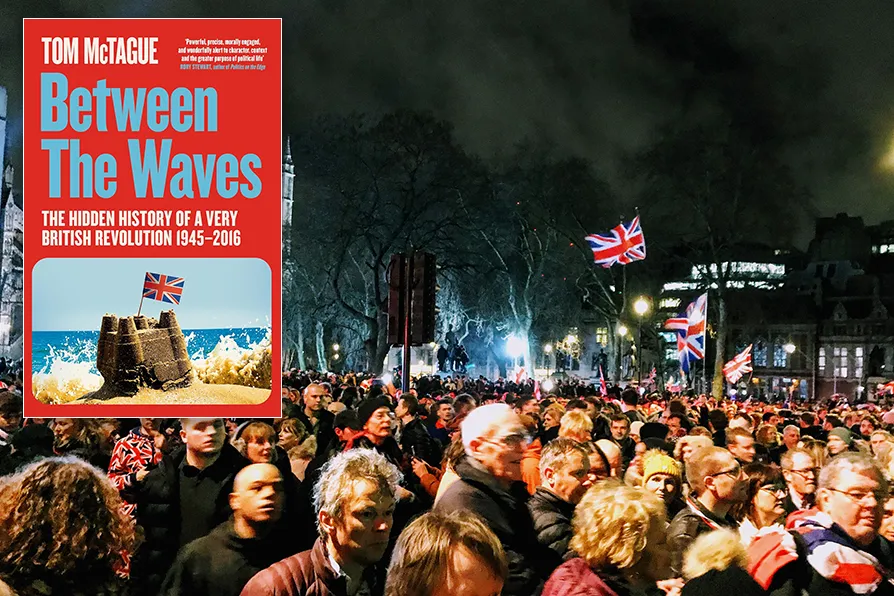
MARTIN HALL welcomes a study of Britain’s relationship with the EU that sheds light on the way euroscepticism moved from the margins to the centre

Starmer sabotaged Labour with his second referendum campaign, mobilising a liberal backlash that sincerely felt progressive ideals were at stake — but the EU was then and is now an entity Britain should have nothing to do with, explains NICK WRIGHT
In an address to the Communist Party’s executive at the weekend international secretary KEVAN NELSON explained why the communists’ watchwords must be Jobs not Bombs and Welfare not Warfare