The greatest threat to democracy may no longer come from political parties but from unelected tech oligarchs like Peter Thiel and his powerful Silicon Valley network, argues JOHN GREEN


 Latest editorial
The latest victims in a dark story of how Northern Ireland deals with its past
In August two Belfast journalists were arrested in dawn raids involving up to 100 police officers for exposing state protection of the perpetrators of a notorious sectarian massacre. This Thursday they will speak at a special screening of their documentary in defence of press freedom, writes BARRY McCAFFREY
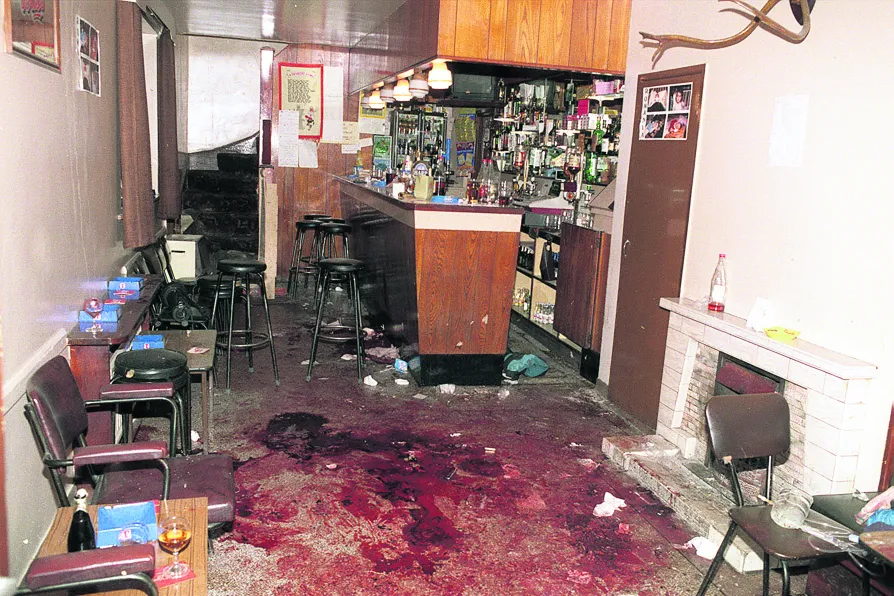 The scene in the Loughinisland village pub in 1994 after the paramilitary murder of six Catholic men
Today’s interconnected conflicts are enriching the arms industry while pushing the entire world towards permanent militarisation, argues ROGER McKENZIE
by Nana Backland, Merseyside Morning Star Readers & Supporters Group
The government’s Pip review looks like a carefully managed exercise in legitimising future cuts to disability support, argues Dr DYLAN MURPHY
The Tories introduced the 50% strike ballot threshold to make industrial action harder. MATT WRACK argues that a Labour government has no justification for leaving it on the statute book


WE didn’t know it at the time, but at 7am on August 31, my colleague Trevor Birney and I were both about to feel the full angry retribution of a state who had not taken kindly to our documentary No Stone Unturned.
Released in 2017, the film had revealed evidence that loyalist gunmen, who massacred six unarmed men as they sat in a quiet little village pub watching football in June 1994, had been protected from prosecution by police.
Why arrest journalists?
This wasn’t Saudi Arabia, Uzbekistan or South America — it was sleepy, suburban Belfast.
For Birney’s eight-year-old daughter Freya it should have been her first day back at school.
She should have been telling her friends all about her summer adventures.
Instead she was left shaking and sobbing as armed police took part in co-ordinated dawn raids on both our homes and Birney’s film and television company offices.
We were both forced to undress and wash in front of armed police before being arrested and hauled off in front of families and neighbours who could only have been imagining what heinous “crimes” we must have committed.
Laptops, telephones, documents and materials that had clearly nothing to do with the documentary were being scooped up and taken away without any questions of relevance.
Freya’s pink mobile telephone was one of the items seized by police. Another daughter had homework on a pen drive seized. All supposed evidence in this alleged “crime.” Three months on, nothing has been returned.
Meanwhile at our offices, more police officers were going through every desk and computer, removing note books belonging to our colleagues and sucking every piece of data from our main server.
Police technicians fed on the main computer for a full 12 hours before they removed every scintilla of information, regardless of the fact that the vast majority of the data had no relevance to what they were supposedly searching for.
Thousands of hours of interviews and notes relating to investigations which had nothing to do with No Stone Unturned were seized despite the protests of our colleagues.
These materials involve highly sensitive and confidential documents relating to investigations all across the world.
Only a tiny percentage of it relates to No Stone Unturned.
Before we’d even been finger-printed and had our mugshots taken, police had released a press statement claiming that they were investigating a complaint from the Police Ombudsman of Northern Ireland (PONI) that documents had been stolen from PONI offices in Belfast.
The statement said the documents were covered by the Official Secrets Act.
The only problem is that the Police Ombudsman never made a complaint — and has now said so publicly.
What is this all about and why do we now find ourselves looking at potential prison sentences? You may well ask!
We both worked with the Oscar-winning documentarian Alex Gibney on No Stone Unturned. It told the story of the 1994 massacre of six Catholic men at a pub in the village of Loughinisland, deep in the heart of rural County Down.
The men were watching Ireland beating Italy in the World Cup on a battered television in the bar when a gunman armed with an assault rifle burst in and opened fire.
No-one had ever been charged with the killings and the Police Ombudsman in Belfast, Dr Michael Maguire, concluded in a 2016 report that police had colluded with the loyalist killers.
In 2011, a document into the Loughinisland murder investigation had been leaked to us. It was a draft report into the massacre. It named the chief suspects and outlined significant failings in the murder investigation.
Once No Stone Unturned premiered in London in October 2017, the Police Service of Northern Ireland (PSNI) apparently became concerned that the document, and the highly damaging information it contained, had found its way into the public domain.
They were so concerned, they launched a fresh investigation — just not into the massacre and the unsolved deaths of six innocent men.
Instead, the PSNI called in Durham Constabulary to examine how the documents came to be in the film. The relatives of the murdered men were horrified.
On the day of our arrests, Durham Police told the press that the arrests were the result of a complaint from the Police Ombudsman.
Maguire’s report into Loughinisland and his damning conclusions had played a pivotal role in our documentary.
The Police Ombudsman’s office had been set up after the Good Friday Agreement to investigate complaints relating to police officers.
It wasn’t designed to investigate the so-called dirty war, but in Northern Ireland’s complicated world of politics and policing that’s what a huge amount of its resources has been dedicated to do.
PONI continues to deal with a huge number of complaints from relatives believing police colluded with loyalist and republican terrorists.
Once he’d seen No Stone Unturned, Maguire had alerted police that our film named four suspects. His office has no ability to take an assessment of any increased risk to the suspects, so by telling police he was advising the force best placed to decide.
Critically, he didn’t make any complaint about the documents we used in the film.
So why did Durham Constabulary say they were called in on the back of a complaint?
We don’t know the answer because the PSNI won’t comment on the case, ironically citing our arrests as the reason they’re unable to explain what has been going on.

Similar stories
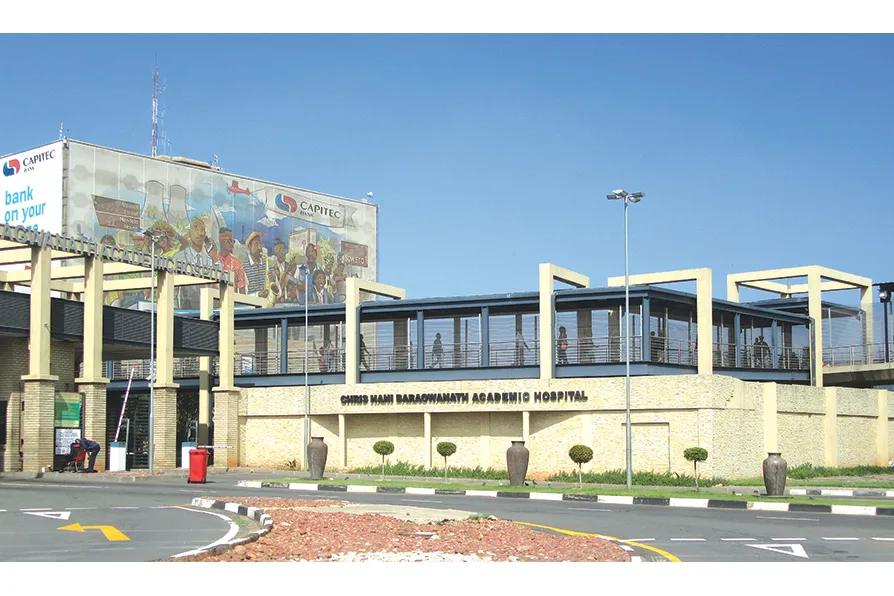
ROGER MCKENZIE recalls the one-in-a-generation communist leader murdered at the dawn of a new South Africa 33 years ago last April 10
The daughter of a legendary blacklisted Hollywood screenwriter has spoken out against the reactionary move, says MIKE SCHNEIDER
Why not pay a visit to Feile an Phobail, a people’s festival of community arts with roots in the days of internment without trial, and where the spirit of solidarity remains undimmed, says LYNDA WALKER