CJ ATKINS takes a closer look at Trump’s recent spate of red-baiting speeches and asks why the authoritarian president is running scared


 Latest editorial
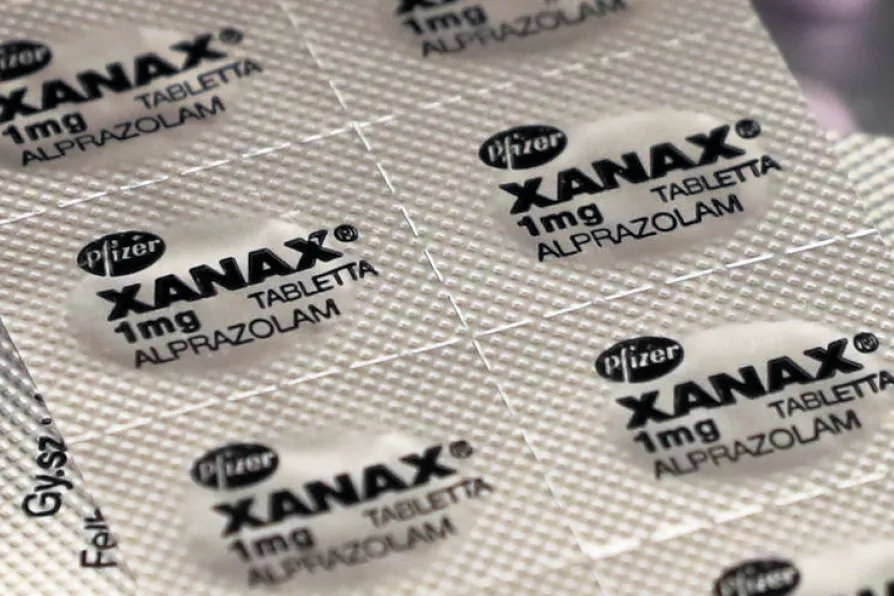
Xanax and waiting lists: our neglected youth
Self-medication and suicide stalk those left on mental health waiting lists, writes MEGAN BIRCHALL

JOHN McINALLY sees little chance of change at Westminster, and calls on the left to get serious about building a real alternative
With the centenary of the UN Slavery Convention upon us, ROGER McKENZIE argues much needs to be done to rid us of all its contemporary manifestations
SEVIM DAGDELEN says European Nato states are escalating ever closer to direct conflict with a nuclear power, and sacrificing welfare states built up over a century to finance it
CLAUDIA WEBBE says the horrific price British patients will pay for this NHS deal is now clear — and there’s time to get out of it, if MPs will only force the issue
KENNY MacASKILL says the lines between party, government and Civil Service in Scotland have been blurred and we need a thorough investigation into how


WE aren’t tackling the adolescent mental health crisis. With waiting times sometimes upwards of six months, young people are being forgotten on waiting lists and, with hospital staff refusing to see them when they do finally present at A&E, is it any wonder that self-harm and suicide rates are increasing among teenagers?
Freedom of information requests are showing that nearly half of the young people assessed as needing care are waiting more than 18 weeks to be seen.
Eighteen weeks for someone who is crying for help, who maybe doesn’t want to be alive, whose feelings are spiralling is a long, long time.
Eighteen weeks can take someone from mentally well to rock-bottom, so imagine what it can to do somebody who is there or nearly there.
Speaking not from my own experience but from that of my friends, so many of us have been left forgotten on Child and Adolescent Mental Health Services (CAMHS) waiting lists that, with GPs’ inability to prescribe anti-depressants or anti-anxiety medication to under-18s, we have turned to self-medicating, looking for some way to cope. Prescription drug addictions are becoming a thing of our generation and surely the rise in abuse of drugs such as Xanax and Valium should scream to us that there is clearly some issue that isn’t being addressed.
Frank — a confidential drug abuse advice service — revealed it had received 4,742 calls regarding prescription drugs, with nearly a third of those about benzodiazepines, a group of drugs including Xanax and Diazepam (often sold as Valium.)
This rise in prescription drug abuse shows that people screaming out for help and not receiving it are desperately trying to find some way to cope, turning not to illegal drugs but often to the very prescription drugs they may have received had they got the treatment they so desperately needed.
After speaking to one of the senior members of my neighbouring authority’s clinical commissioning group it is clear that so much of the little funding it does have for adolescent mental health is going towards “preventative care” or the measures that are supposed to be in place to support young people before they get to the point of presenting at A&E with a serious illness.
Now, though I haven’t had the chance to speak to someone in a similar position of seniority, I’m aware that my own area is employing the same tactic. Let me you tell you now — it does not work.

Similar stories

We need a massive change in direction to renew a crumbling health service — that’s why Plaid Cymru has an ambitious plan to recentre primary care by recruiting 500 additional GPs and opening six new elective care hubs across Wales, writes MABON AP GWYNFOR

Government urged ‘to tackle the root causes’ of the NHS crisis and improve ‘social care services’