

 Latest editorial
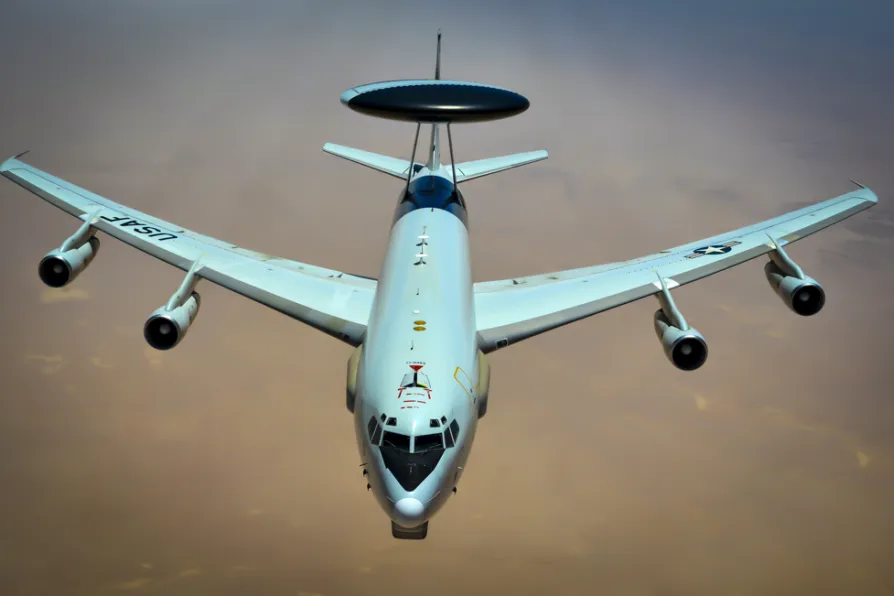
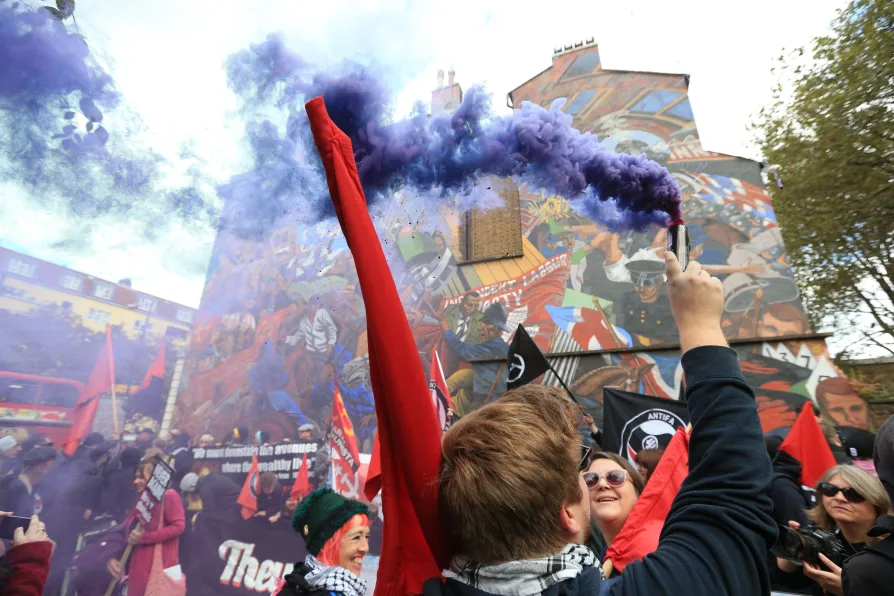


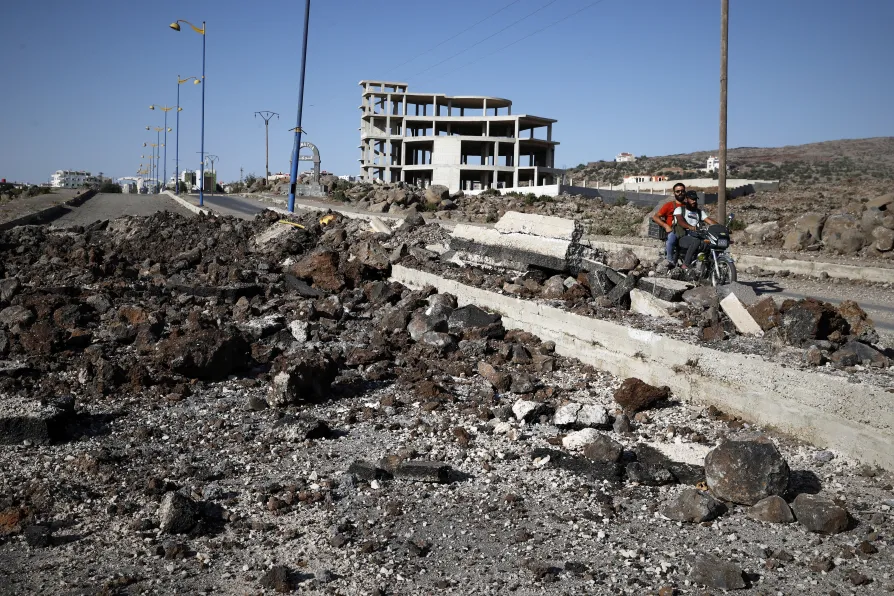
YET another case of classic stonewalling by Washington at the United Nations to deny, despite all evidence to the contrary, that bombing raids by its military coalition are causing huge civilian casualties in Syria.
Both Damascus and its opposition accuse the US and its allies of killing 40 civilians in al-Buqa village near the town of Hajin in Deir ez-Zor province.
The US military coalition, backed by around 70 states, has no international legality, having not been authorised by the UN security council nor invited in by the Syrian government.
Yet US spokesman Colonel Sean Ryan claimed at the weekend that “air strikes targeted at Isis in the Middle Euphrates River Valley conform to the laws of armed conflict.”
That was Washington’s story about the flattening of Fallujah and Mosul in Iraq, as well as Raqqa in Syria, where Amnesty International raised the issue of war crimes.
The reality is that the US is uninterested in the total eradication of Isis or al-Qaida Tahrir al-Sham, formerly known as the Nusra Front, both of which groups were heavily armed directly or indirectly by the US and its allies during the war to overthrow President Bashar al-Assad.
If it were, it would have offered assistance to Assad’s forces, as Moscow has done, rather than bombing the Syrian army and its jihadist opponents.
Washington’s main priorities have been to facilitate plunder of Syrian oil wells in Deir ez-Zor province and to obstruct the ability of Iraq and Syria to combine to defeat Isis.
Its air power is deployed to prevent Isis from striking back at areas of Deir ez-Zor liberated by the Kurdish-led Syrian Democratic Forces and as a threat to prevent Damascus from reasserting national sovereignty over the entire country.
Despite Col Ryan’s pleading, there can be no justification for US use of white phosphorus against civilians.
They must recognise that the joint project — Assad’s overthrow — of the Saudi-led Arab sheikhdoms, the US and Israel, backed by their European allies, has failed.
Best assist — or at least not hinder — the jihadists’ final dispersal to allow the Syrian people, including Kurds and other minorities, to work out a democratic and inclusive future for the country.

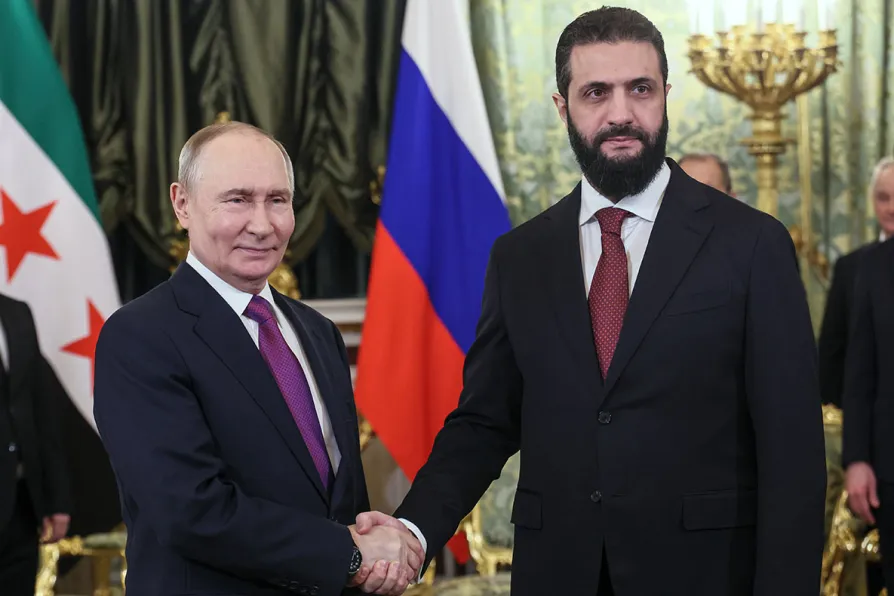
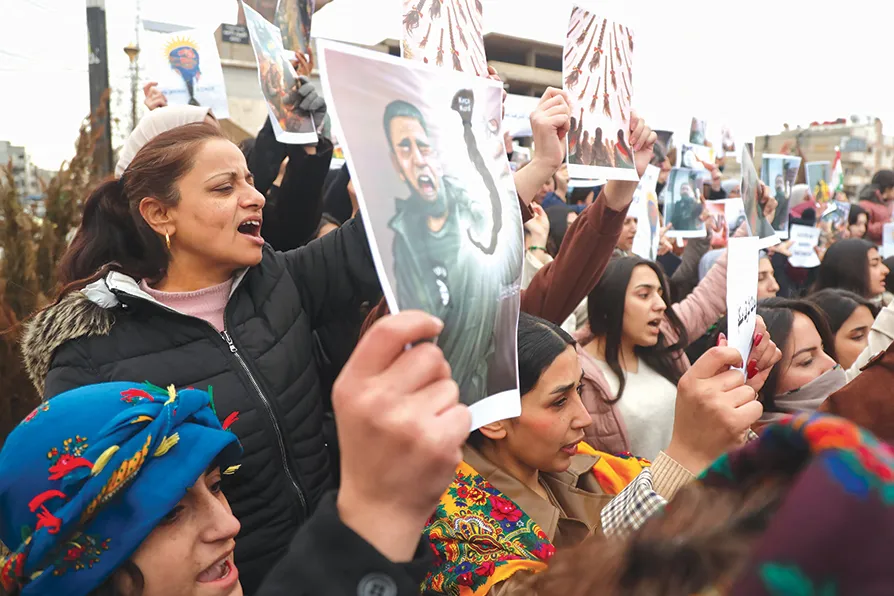
VIJAY PRASHAD details how US support for Syrian President Ahmad al-Sharaa allowed him to break the resistance of the autonomous Syrian Democratic Forces (SDF)
VIJAY PRASHAD looks at the web of militias and drug-trafficking gangs that emerged in the Sweida region through the Syrian civil war, and how they relate to recent clashes and Israel’s intervention
ALEX HALL follows the battered fortunes of Syria, a multi-ethnic country caught in the crossfire of competing imperialist interests