MARY DAVIS says the centrality of the Jewish community and the Communist Party to anti-fascism in the 1930s is too often overlooked on the left


Britain needs to stop arming Saudi Arabia immediately
CHRIS NINEHAM calls the the anti-war movement to action with this simple yet crucial demand

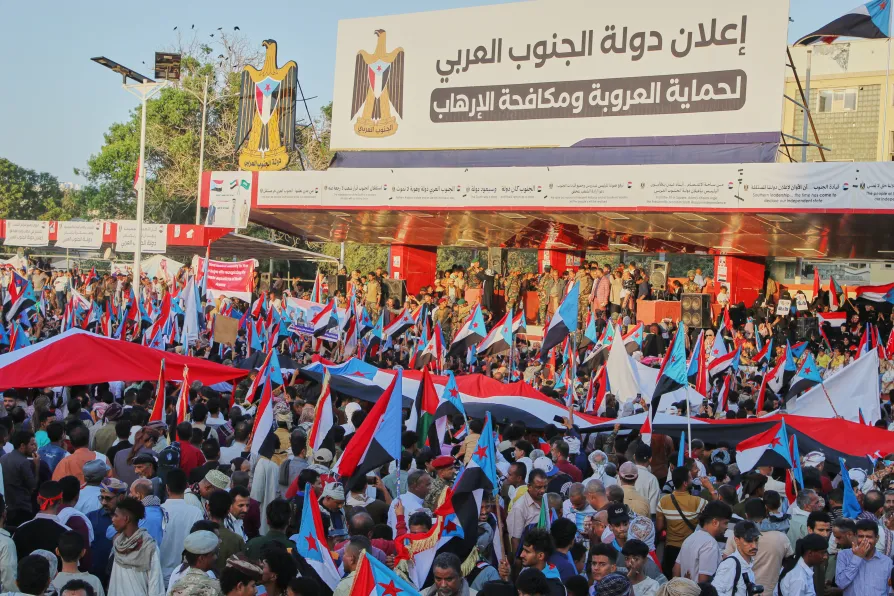
 Demonstrators protest against the visit of Major General Ahmad Hassan Mohammad Asirim, spokesman to Britain for the Saudi-led coalition in Yemen
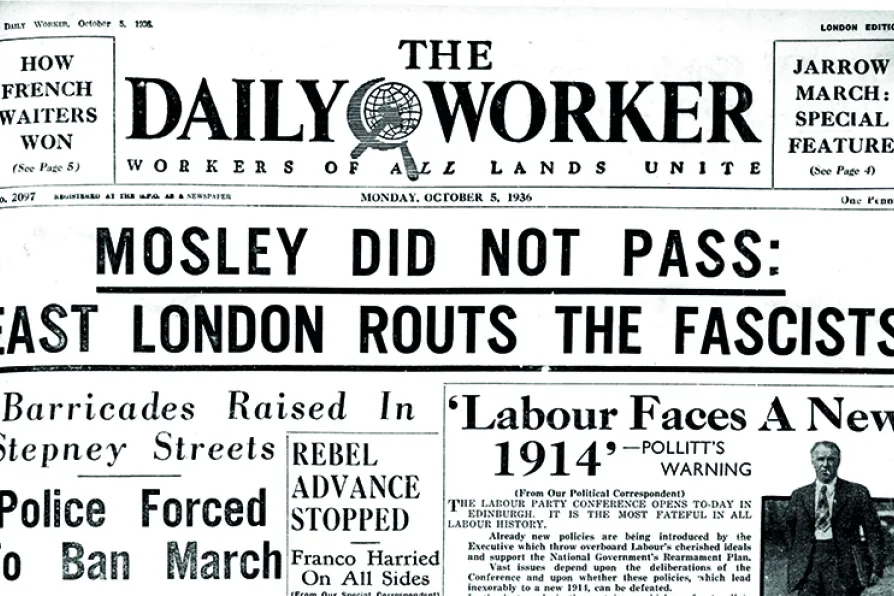
A 1936 confrontation with Mosley’s BUF became part of a wider international struggle, with local activists later joining the fight against fascism in the Spanish civil war. TONY FOX tells the story ahead of a 90th anniversary commemoration event
GEORGE WHITE explains why Unite’s Lancashire area activists committee believes co-ordinated recruitment in an area defined by particular kinds of employment and linked by a major transport artery could provide a model for organising the unorganised
Voters have delivered a stay of execution for Labour and exposed limits to Reform’s advance. But will Burnham offer a political alternative rather than just a different face at the top, asks ANDREW MURRAY
Calls for a Universal Basic Income are a red herring, argues the Full Marx editorial team — socialists should fight for Universal Basic Services
SEVIM DAGDELEN warns that Germany’s military resurgence and revival of old hostilities towards Russia have dangerous implications for Europe and beyond


THIS is a dangerous moment for the Middle East. Saudi-led forces have launched a new offensive on the Yemeni port of Hodeida. This is the country’s main port and the entry point for most of the country’s trade and for international aid.
The three-year war has already been devastating. This offensive could lead to the worst humanitarian disaster anywhere in the world since the second world war.
This is why Stop the War is organising a tour of public meetings and events publicising the crisis and building the widest possible campaign to end arms sales to Saudi and stop the war on Yemen.
Last month, a UN report outlined the gravity of the situation. Already, an astonishing 75 per cent of the population, 22 million people, need humanitarian assistance and protection. The percentage of the population in poverty has shot up from 49 per cent last year to 79 per cent now, as 8.4 million people don’t know where their next meal is coming from.
If an attack forces the port at Hodeida to close, there will be carnage. The UN suggests as many as 13 million people may die as a direct result.
As well as causing almost unimaginable suffering, it will destabilise the whole area by creating new flows of migration and ratcheting up tension between the region’s big powers.

Similar stories
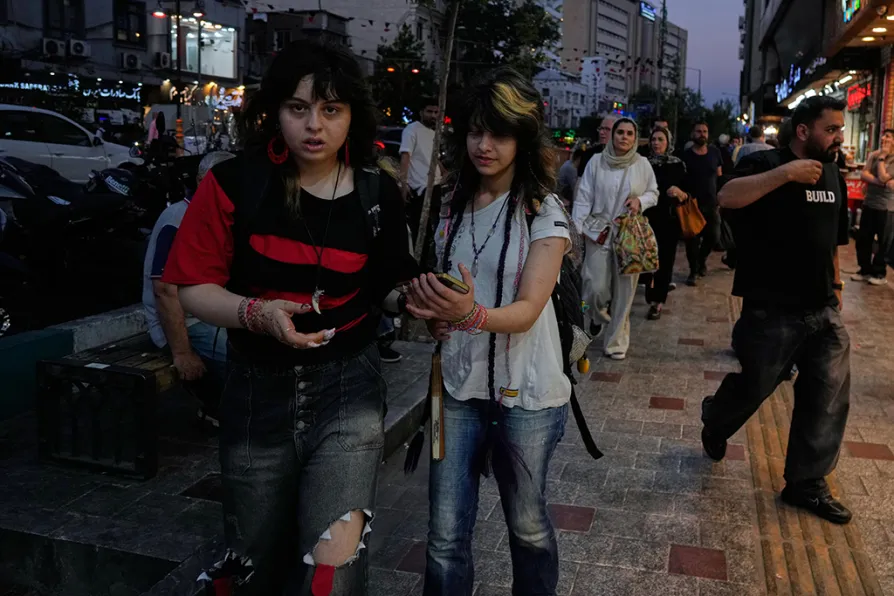
The ceasefire may have halted the fighting for now, but years of economic warfare and recent military attacks have left millions of Iranians facing hardship and uncertainty, says Codir’s RUBEN BRETT
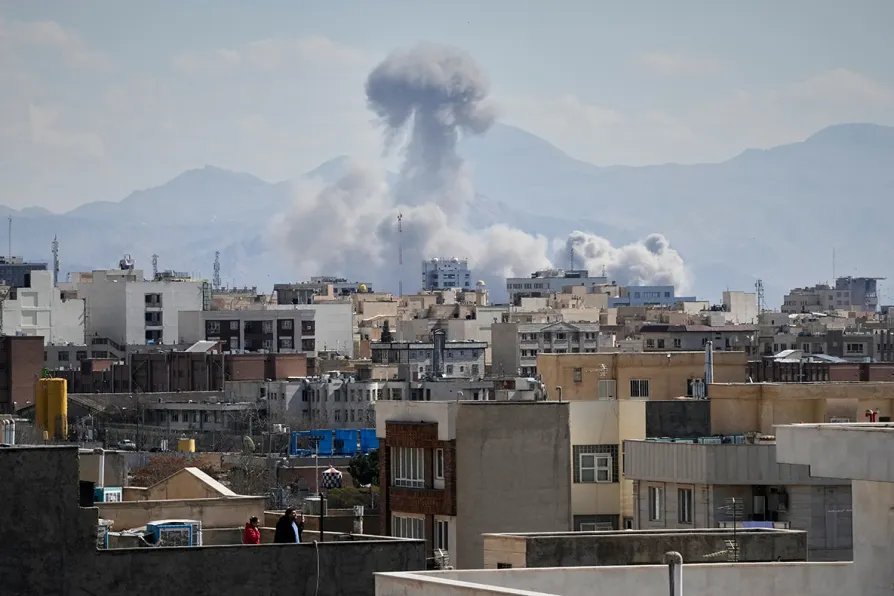
Tehran retaliates with attacks on Israel, the Gulf Arab states and crude oil flows