The Tories introduced the 50% strike ballot threshold to make industrial action harder. MATT WRACK argues that a Labour government has no justification for leaving it on the statute book


 Latest editorial
Liberation wages a tireless struggle against overseas racism
ROBIN TALBOT writes about the historic anti-imperialist campaign Liberation and how we can fulfil our own historic role
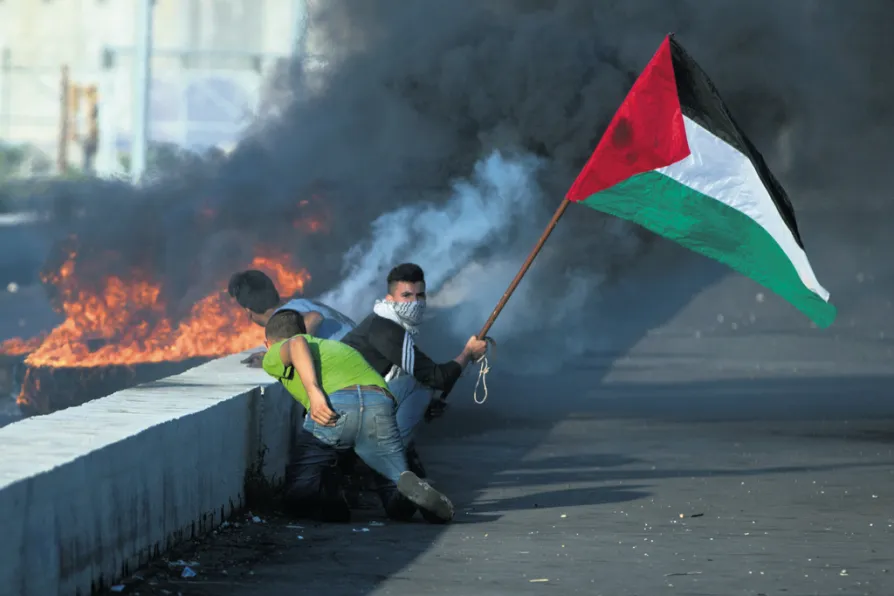 Liberation took a strong organisational line in support of Palestine early on, when others were still sitting on the fence
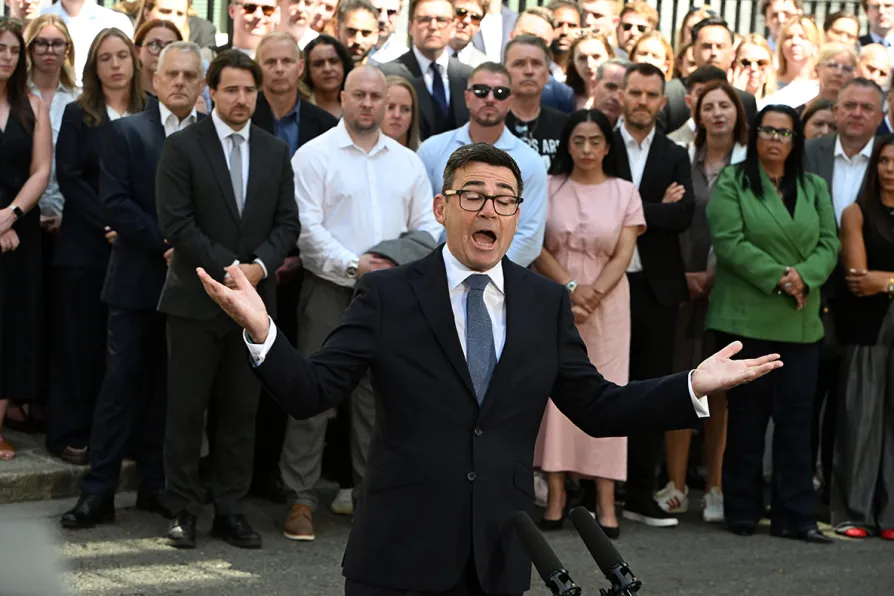
In the wake of Ann Widdecombe’s murder, JOHN GREEN wonders whether the government will really get to grips with the root cause of these attacks on our MPs
The new PM’s opening addresses offered hope, council homes and reform — but little detail on how any of it will be delivered, warns CLAUDIA WEBBE
Despite the screeching from the right-wing media, Burnham’s speech chimed with the public mood - and socialists should take advantage, says Morning Star editor BEN CHACKO
Scotland's Labour leader cannot continue to evade responsibility for the party's decline, argues LAUREN HARPER
Nature as well as society works dialectically, asserts the Marx Memorial Library and Workers’ School


TODAY, Liberation is a small campaign that runs from an office in the ASLEF trade union building not far from the Marx Memorial Library in London. But Liberation, which was known as the Movement for Colonial Freedom until the 1970s, has been the bedrock of anti-imperialist and anti-colonial struggles in Britain since its founding conference in 1954.
Even before then, its predecessor the Congress of Peoples Against Imperialism organised tirelessly against British meddling abroad, including the British government’s bribery and intimidation of the founder of modern-day Botswana depicted in the (cheesy) 2016 film A United Kingdom.
The Movement for Colonial Freedom brought together Labour Party members, Communists, trade unionists, students, diasporas and exiles of current and former colonies and other progressives. This formed the most unified and successful anti-imperialist pressure group in Britain. The MCF was instrumental in setting up dedicated campaign organisations and reporting on the oppression and violations of human rights ongoing throughout the world, as well as mobilising anti-imperialist voices in parliament.
After World War II and during the cold war, the British government was a willing participant in dirty wars and repressive activities abroad from Latin America to Africa, from the Middle East to Asia.
Former subjects of the British empire were organising to fight for equal rights and an end to exploitation and white domination. US, British, French, Portuguese and Belgian imperialists were always on the lookout for new opportunities to grab land and destroy any resistance, including progressive governments.
It is difficult, if not impossible, to find a point on the map of the Global South to which the movement’s support for liberty and social justice did not extend. The MCF and then Liberation were active on issues relating to Kenya, Zambia, Zimbabwe, Malawi, Egypt, Ghana, Nigeria, Zanzibar, Uganda, South Africa, Angola, Mozambique, Namibia, the Congo, the Sudan and Guinea Bissau … to name those in Africa alone.
The movement came down in support of Palestine when many people were on the fence. It provided a voice for the peoples of South Yemen, Iraq, Iran, Oman and the other emirate states, whose own voices were often drowned in blood so that money could fill the pockets of oil companies and medieval ruling elites. The campaign fought for independence, reunification and peace for Cyrus. With the Connolly Association, MCF campaigned for democracy and an end to discrimination in Ireland, long before the Troubles began.
The list goes on to include the Indian subcontinent, the Philippines, Vietnam, Indonesia and finally Latin America. The MCF established the British Council for Peace in Vietnam, with its sponsors in the British parliament rock-solid in their opposition to British involvement.
The Chile Solidarity Campaign in Britain was another group set up with Liberation’s help. This saw huge trade union and student solidarity with the country lasting until 1989, when the first free elections since the Western-backed coup of 1973 were celebrated. Members of Liberation and other delegates were there to rejoice with the Chilean people.
The MCF and Liberation did not ignore domestic racism either. Fenner Brockway MP, who was chair of the organisation, led the charge to outlaw racist discrimination. Throughout the sixties and seventies, the MCF published pamphlets and articles and organised meetings and demonstrations to win over the entire labour movement and British public to reject racism and prejudice.
The campaign was especially proactive in winning trade unions to the side of freedom and solidarity with oppressed peoples throughout the world, often in defiance of the labour movement hierarchy. National affiliates and sponsors included the NUM, AEU, USDAW, NUR and TGWU in addition to the National Union of Students. The MCF and Liberation also held their own international concerts at the Royal Festival Hall and publishing house, known as Young World Books.
In recent years, with the position of chair filled by the notorious Jeremy Corbyn MP, and now Kelvin Hopkins MP, Liberation has continued to campaign on issues old and new. These range from the wars in Afghanistan and Iraq to the murder of student teachers in Mexico. From the floods in Kerala to the exploitation and crisis in the Congo, Liberation works with friends in community groups, the progressive and labour movements and many other excellent campaigns to make a difference.
Liberation is an observer at the Human Rights Council of the United Nations. Most recently, it used this space to condemn the carnage in Yemen and Morocco’s illegal occupation of Western Sahara.

Similar stories
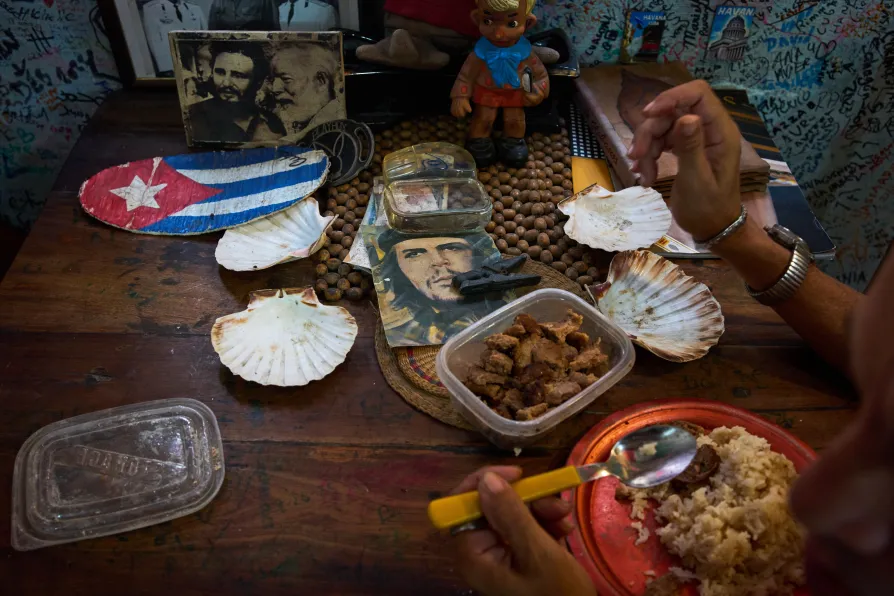
Cuba continues to embody a vision of internationalism that imperialism has never forgiven, argues ZOLTAN ZIGEDY

From a Welsh mining village to defending our work for colonial justice at the UN in New York, Maggie Bowden’s life was an inspiring triumph, writes JEREMY CORBYN MP
Maggie Bowden was a trailblazing campaigning lawyer at Birnberg and Thompsons, women’s organiser of the Communist Party, and general secretary of Liberation
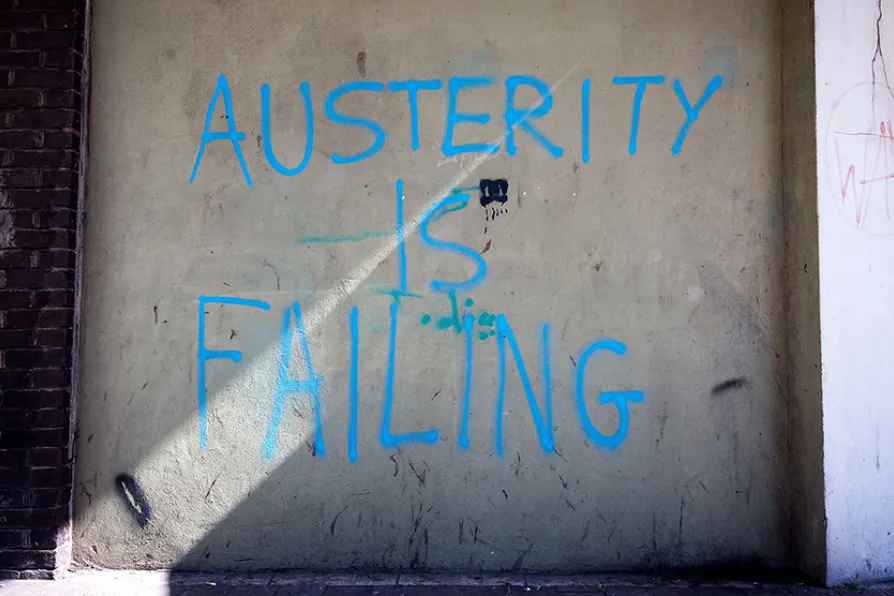
Our charter’s demands for fair pay, affordable housing and environmental security will recruit working-class youth into the political struggle for socialism, emulating the success of the Women’s Charter, writes YCL general secretary GEORGINA ANDREWS