IAN SINCLAIR examines the curious memory lapses across liberal media when it comes to British government crimes


 Latest editorial
Only a union default system is capable of creating a level playing field
 Delegates vote at TUC Congress

STEPHEN ARNELL looks at some of the notorious political corruption cases from British history
ENRIQUE SANTIAGO ROMERO says the Colombian far-right’s election victory is deeply suspect — and the United States has its fingerprints all over it
History suggests apartheid ends not through appeals to conscience alone but through sustained economic and political pressure, says HUGH LANNING
ARTHUR WEST surveys the achievements of the Scottish campaign against South African apartheid and how we can draw on them to fight a rising far right
As the US marks 250 years since the Declaration of Independence, the People’s World Editorial Collective argues that the real legacy of 1776 lies not in official celebrations but in centuries of popular struggles to make democracy a reality for all


THERE are three alarming global trends in work and employment under the now dominant neoliberal version of capitalism.
First, the increasing ability of employers to act unilaterally, aided by the state. Second, falling levels of union membership and, thus, declining union influence. And as a result, third, increasing levels of exploitation of labour by capital, best epitomised by the working poor on benefits and minimum wages, on the one hand, and sky-high company profits and executive salaries on the other.
Here in Britain and as a response, the Institute of Employment Rights published a Manifesto for Labour Law in 2016 as a programme for government on employment relations for the next Labour government led by Jeremy Corbyn and John McDonnell.

Similar stories

LOUISA BULL traces how derecognition, outsourcing and digitalisation reshaped the industry, weakened collective bargaining and created today’s precarious media workforce
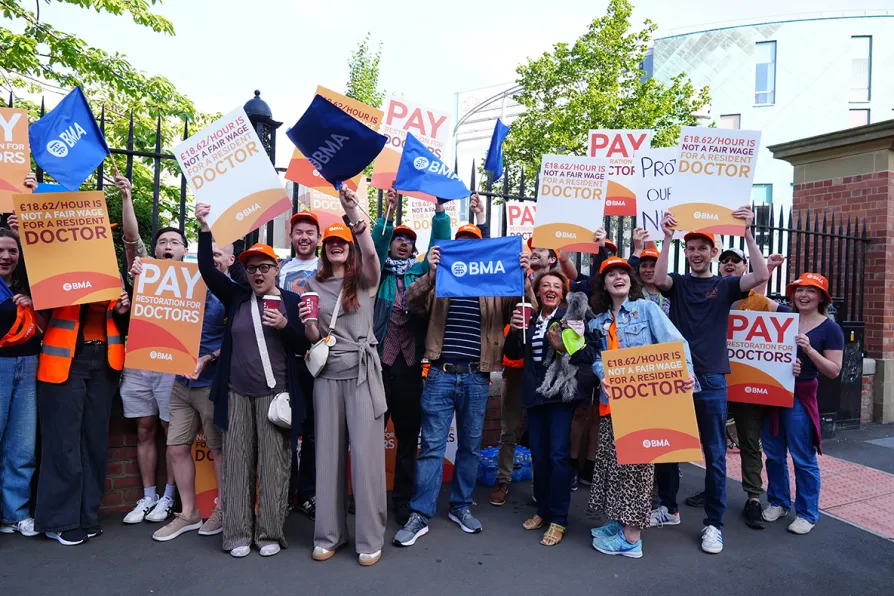
Labour’s watered-down legislation won’t protect us from unfair dismissal or ban some zero-hours contracts until 2027 — leaving millions of young people vulnerable to the populist right’s appeal, warns TUC young workers chair FRASER MCGUIRE
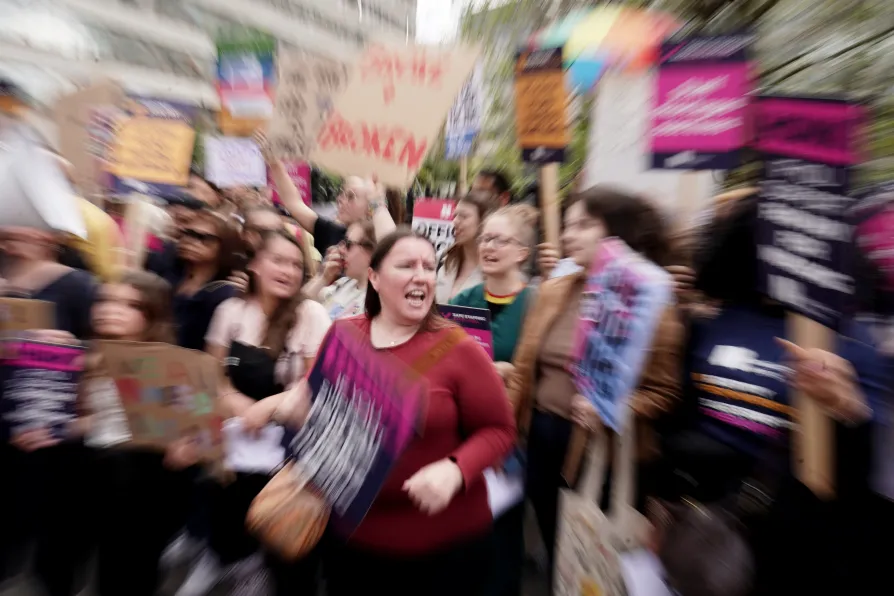
The Bill addresses some exploitation but leaves trade unions heavily regulated, most workers without collective bargaining coverage, and fails to tackle the balance of power that enables constant mutation of bad practice, write KEITH EWING and LORD JOHN HENDY KC

It is only trade union power at work that will materially improve the lot of working people as a class but without sector-wide collective bargaining and a right to take sympathetic strike action, we are hamstrung in the fight to tilt back the balance of power, argues ADRIAN WEIR