Assistant general secretary of the General Federation of Trade Unions HENRY FOWLER reports on day 1 from the GFTU’s residential Summer School at Quorn Grange Hotel


 Latest editorial
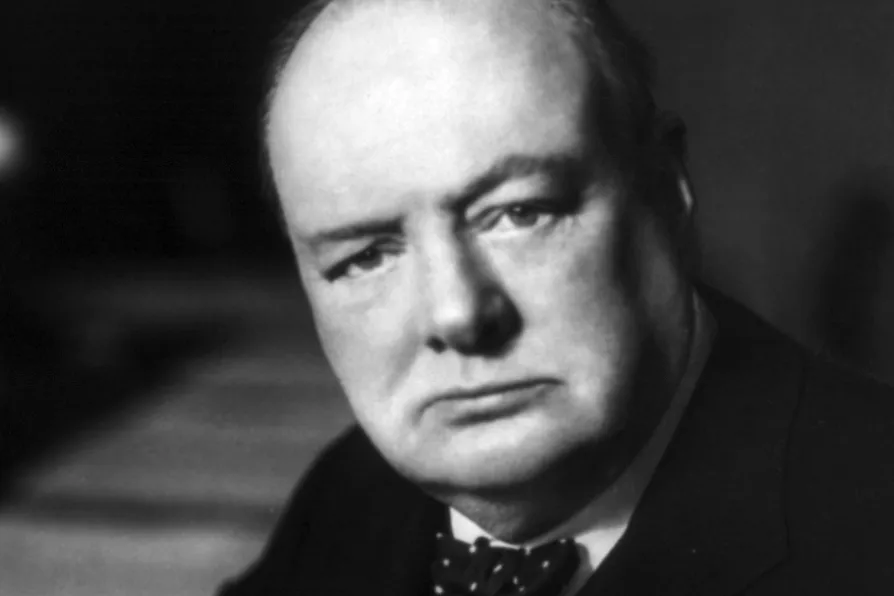
What Darkest Hour doesn’t tell you about Winston Churchill
The man voted ‘greatest ever Briton’ was a vile racist, imperialist and eugenics enthusiast, writes CALLUM ALEXANDER SCOTT
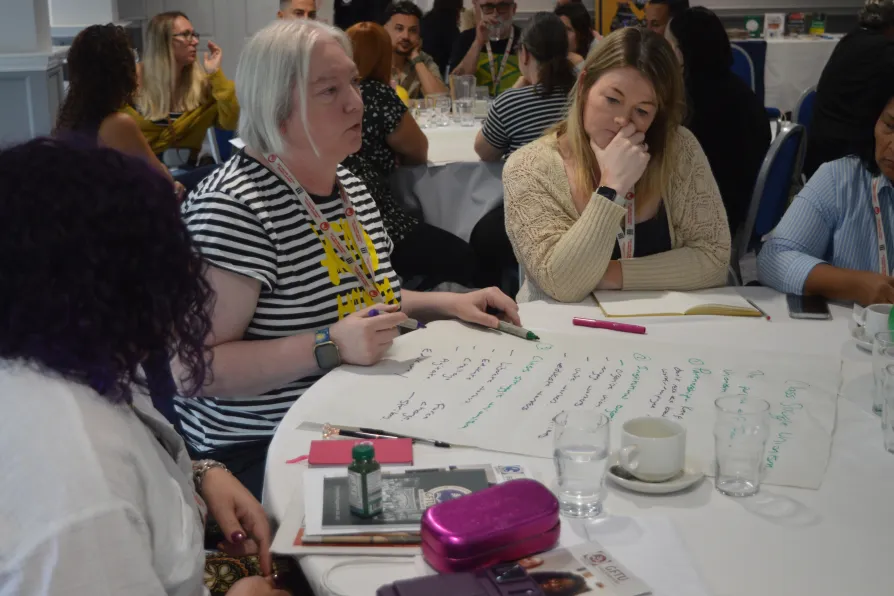
Strike Map co-founder HENRY FOWLER discusses the significance of today’s joint union letter to video game giant Rockstar, demanding trade union recognition for its workers. Their conversation highlights how our movement can harness its collective power to rebuild union power across the private sector
The PM leaves office having squandered Labour’s electoral mandate and alienated its grassroots. He will not be missed, writes BRIAN LEISHMAN MP
Durham Miners’ Association chair STEPHEN GUY speaks to Ben Chacko about the Reform threat, what’s needed from Labour and why the Big Meeting will never lose its politics
Poland’s anger over Ukraine’s celebration of the Nazi collaborationist UPA reflects more than historical grievance, says KENNY COYLE
Can Andy Burnham’s programme deliver a productive economy – or merely a softer version of capitalism, asks VINCE MILLS


TODAY the latest Winston Churchill film, Darkest Hour, opens in British cinemas. It is already being tipped for the Oscars, with Gary Oldman’s portrayal of Churchill at the helm of speculation.
I can attest, having already seen the film, that Oldman’s performance is indeed brilliant, but let us be clear. While it is a great piece of cinema that, artistically speaking, deserves, and will almost certainly receive, numerous awards, it is also a film that glorifies a certifiably vile man.
When watching we should bear in mind that Sir Winston Leonard Spencer-Churchill, the man voted “greatest Briton” by the British public in 2002, was not just a “terribly inconsiderate man,” as one of his secretaries once described him. In fact, she said she’d “never known anyone who was so inconsiderate.” He was also a staunch imperialist, a racist supremacist and a eugenicist who advocated the forced sterilisation of the mentally ill, prevention of their marriage and their internment in compulsory labour camps.

Similar stories
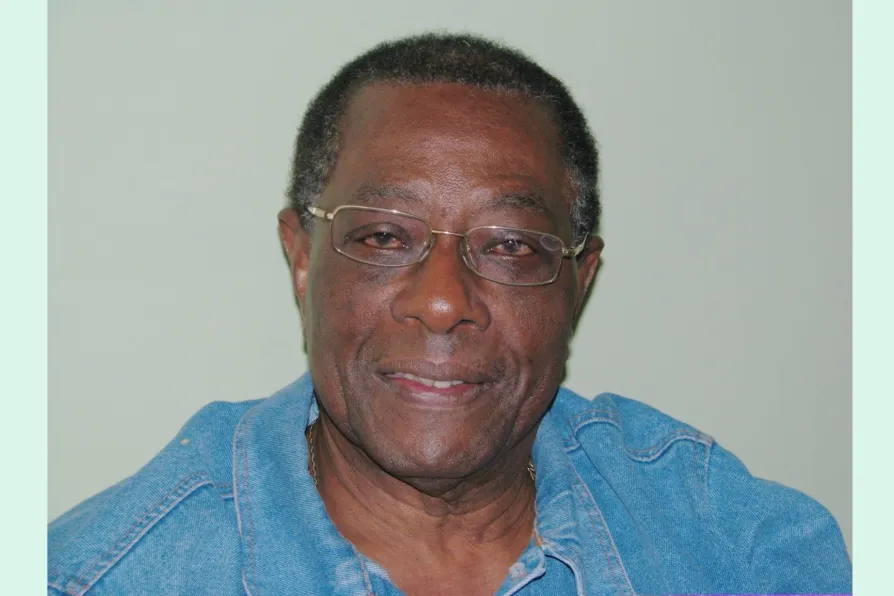
A lifelong communist and community organiser, Pinder helped shape anti-racist and anti-colonial activism in Britain while dedicating himself to youth work and collective struggle, writes David Horsley
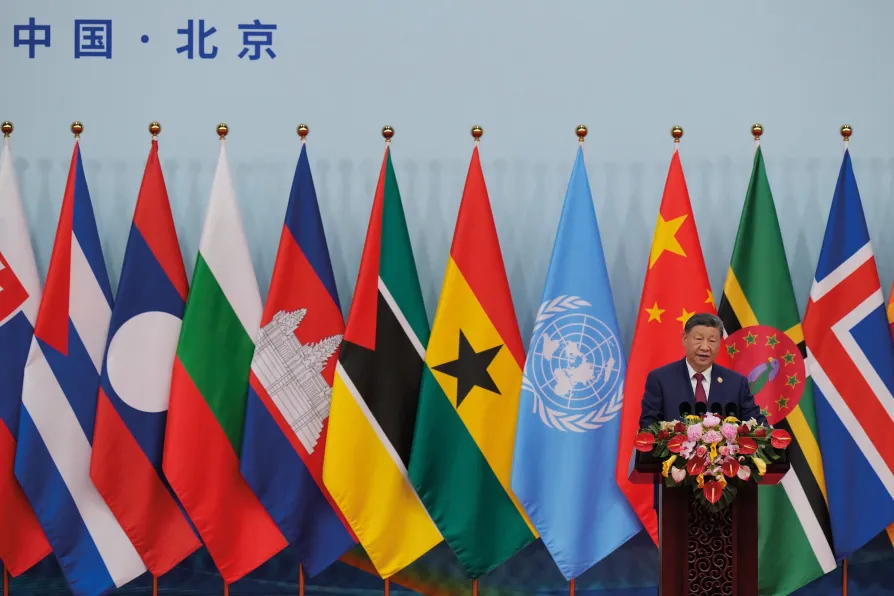
ROGER McKENZIE argues that Western powers can see the beginning of the end in the rise of the global South — and racist reactions are kicking in
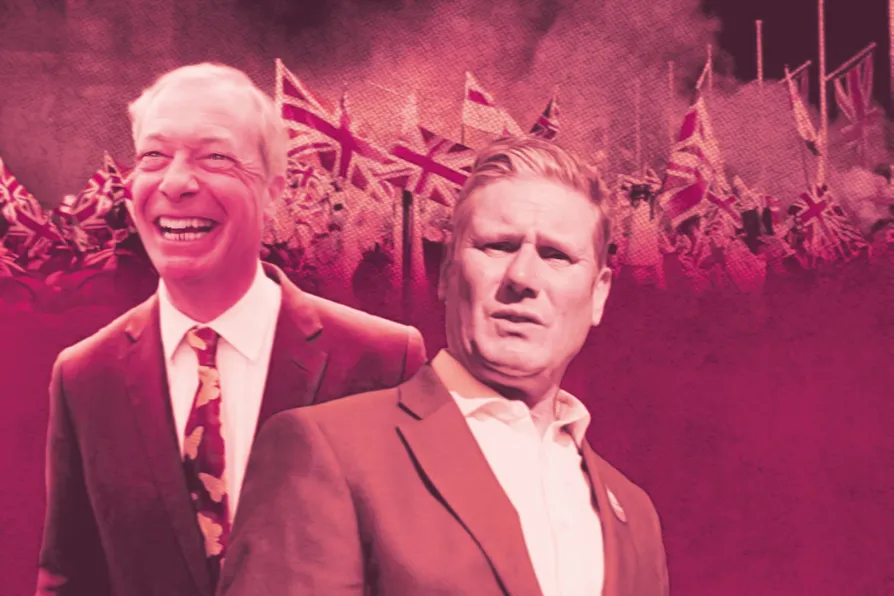
CLAUDIA WEBBE argues that Labour gains nothing from its adoption of right-wing stances on immigration, and seems instead to be deliberately paving the way for the far right to become an established force in British politics, as it has already in Europe
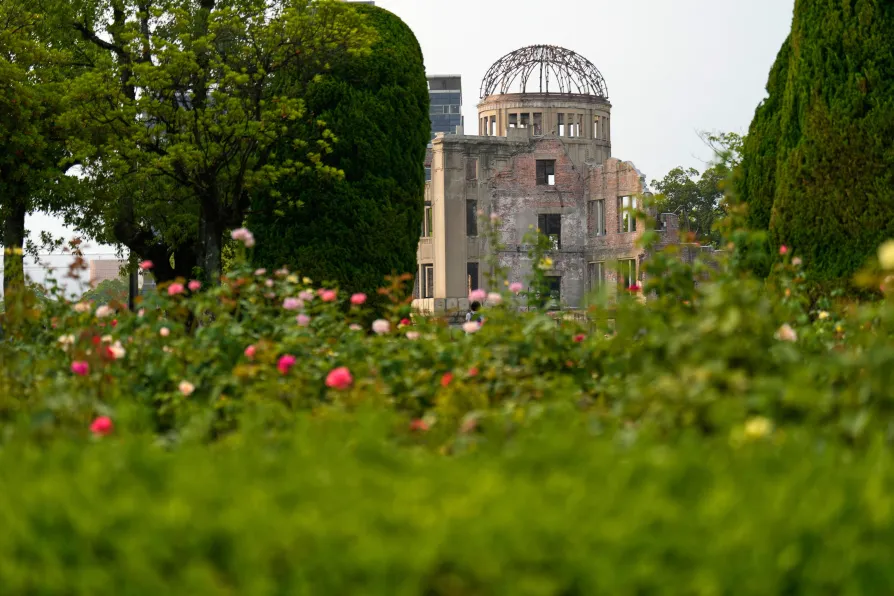
As we mark the anniversaries of the Hiroshima and Nagasaki bombings, JOHN WIGHT reflects on the enormity of the US decision to drop the atom bombs