Unison director of organising KEVIN LUCAS explains the Organising to Win strategy, its successes to date and key tests on the union’s horizon


 Latest editorial
Build union power and a socialist future
Only unions can offer workers, young and old, protection against unscrupulous employers and help create a Britain that is for the many not the few, argues ANDY BAIN
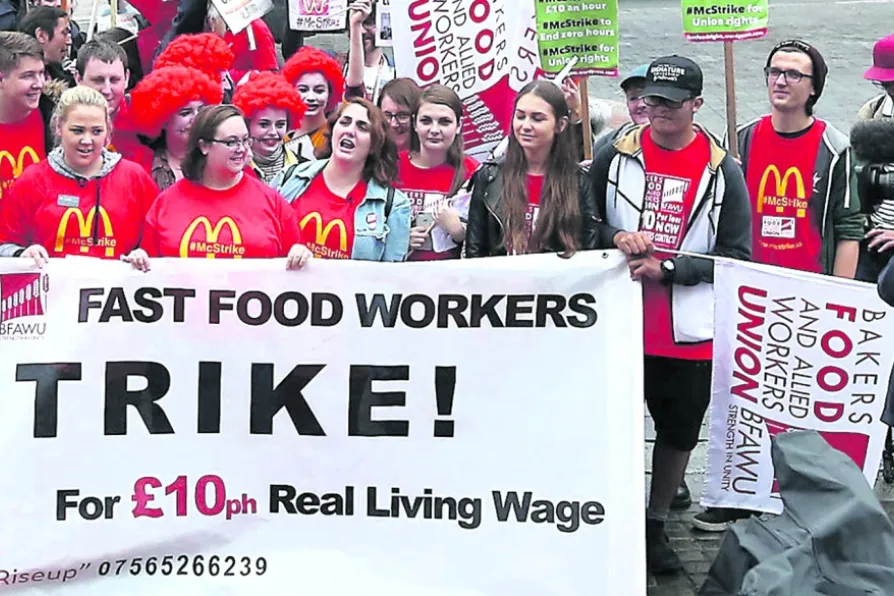 Cambridge McDonald’s employees and supporters at a rally at Old Place Yard, London
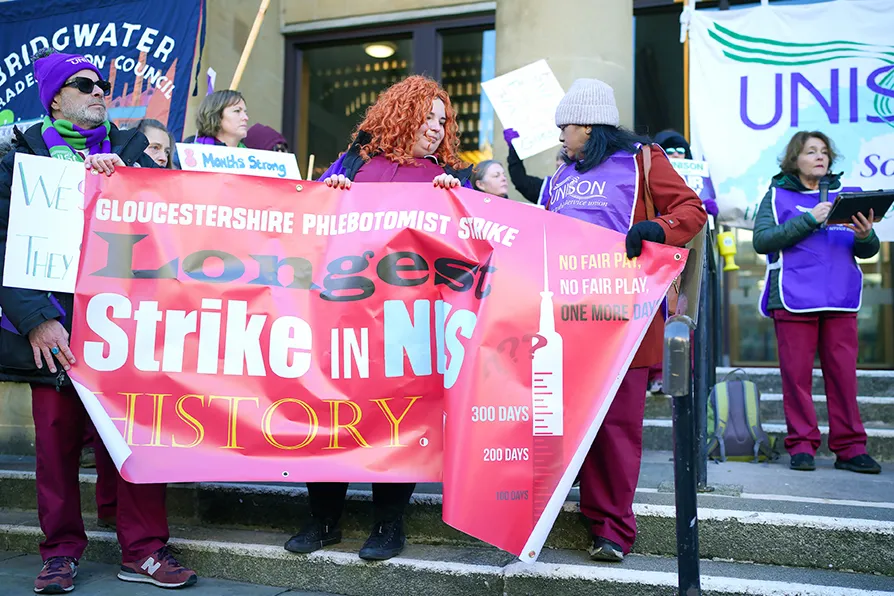
Young workers do want to get involved in Unison, and where that is enabled we see growth in workplace power, argue Unison North West Young Members co-chairs ZAIHERA CHAUDHRY and IAN CAULFIELD
British military spending is among the highest in the world, diverts scarce resources from far better causes and fuels international conflict. It’s time we made different choices, argues LIZ PAYNE
Trade unions, trades councils and community organisations must work together to build lasting solidarity and resistance to the far right, argues DREW GILCHRIST
Animal metaphors are testament to delight in the non-human world and what we hope and wish for human freedom, argue ROX MIDDLETON, LIAM SHAW and MIRIAM GAUNTLETT"
Economists estimate extreme poverty could be drastically reduced for a fraction of global defence spending, yet military budgets continue to expand year on year, says JON TRICKETT MP, ahead of the Stop the War International Conference on Saturday


ON FRIDAY December 1 at the 45th anniversary of the release of the Pentonville Five, when tens of thousands took to the streets to protest at their imprisonment, there was a call to link that working-class victory with the trade union struggles of today.
Since then the tide of Tory anti-union laws has helped create the conditions where workers are increasingly exposed to poor quality, low-paid and precarious employment and fears of victimisation are a major barrier to trade union membership and activism.
However, at the September 2017 TUC important motions from the NASUWT and CWU became policy and so the TUC now recognises the need to return to the organisation and activism employed in earlier stages of trade unionism.
It is committed to leading a major transformative project to create a new model of British trade unionism which will include:
- co-ordinating solidarity and supporting workers in dispute – to help workers win and raise the consciousness of all involved
- flexibility of organisation and local activism to influence the gig economy, using modern methods to win the next generation of representatives and members
- ensuring appropriate training of activists
Trade union membership fell over the last year by 275,000. The extent of the problem is underplayed by the government for obvious reasons, but it’s also little understood and often underestimated within the labour movement.
The days when the likes of Derek Robinson and hundreds of shop stewards were active amongst a workforce totalling more than 100,000 are long gone. Britain today has upwards of 1.4 million out of work, 1.6 million working for agencies, 1.6 million on “precarious” temporary and zero-hours contracts and as many as five million working self-employed, many barely managing to make ends meet.

Similar stories
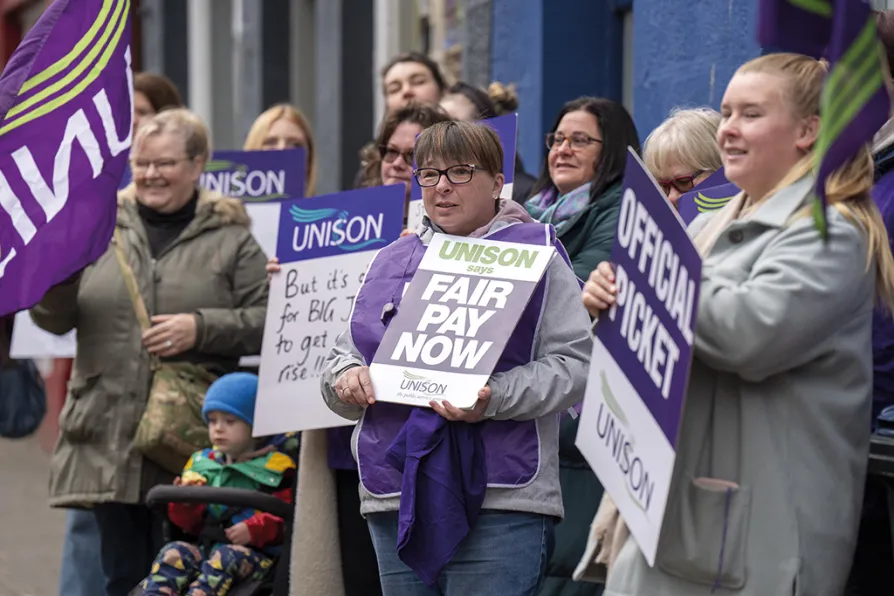
As Unison launches its Year of Women Workers, ANNIE COGAN-THOMAS argues that stronger organisation and collective bargaining are essential to winning equality
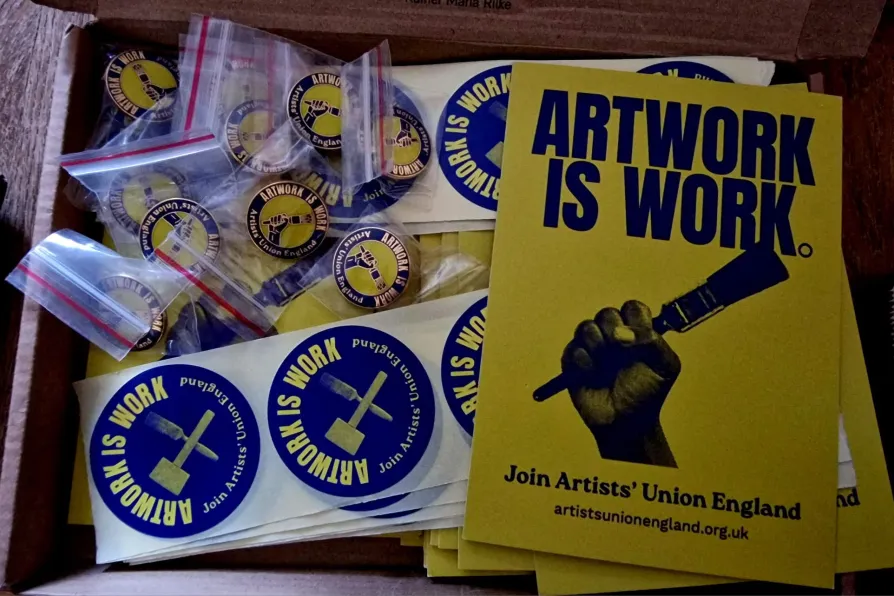
Artists should not be consigned to a life of precarious working – they deserve dignity and proper workers’ rights, argues ZITA HOLBOURNE
Labour’s watered-down legislation won’t protect us from unfair dismissal or ban some zero-hours contracts until 2027 — leaving millions of young people vulnerable to the populist right’s appeal, warns TUC young workers chair FRASER MCGUIRE
Our charter’s demands for fair pay, affordable housing and environmental security will recruit working-class youth into the political struggle for socialism, emulating the success of the Women’s Charter, writes YCL general secretary GEORGINA ANDREWS