

 Latest editorial



THOUSANDS walked out across South Africa yesterday in a general strike against job losses and corruption, including at the highest levels of government.
The strike, called by union federation Cosatu four weeks earlier, drew large crowds in Johannesburg, Cape Town, Durban and Limpopo province’s capital Polokwane.
Cosatu said that “this strike is about sending a message to both government and the private sector that, as workers and citizens, we are tired of corruption.”

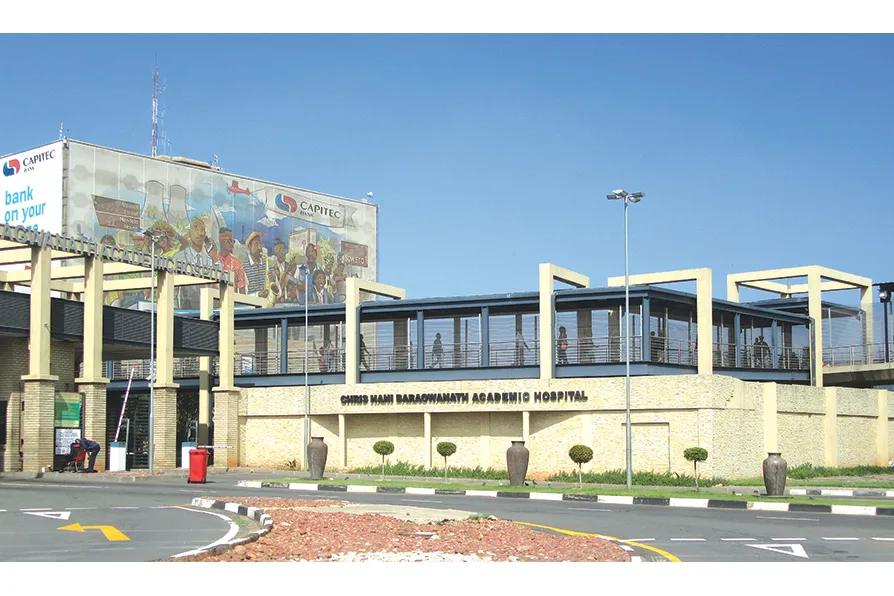
ROGER MCKENZIE recalls the one-in-a-generation communist leader murdered at the dawn of a new South Africa 33 years ago last April 10

A past confrontation permanently shaped the methods the state will use to protect employers against any claims by their employees, writes MATT WRACK, but unions are readying to face the challenge
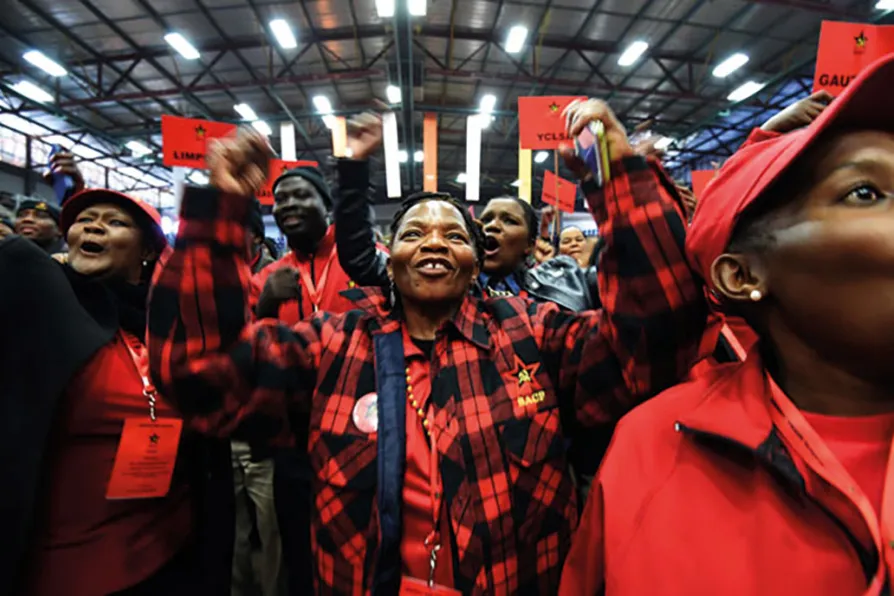
The shared path of the South African Communist Party and the ANC to the ballot box has found itself at a junction. SABINA PRICE reports
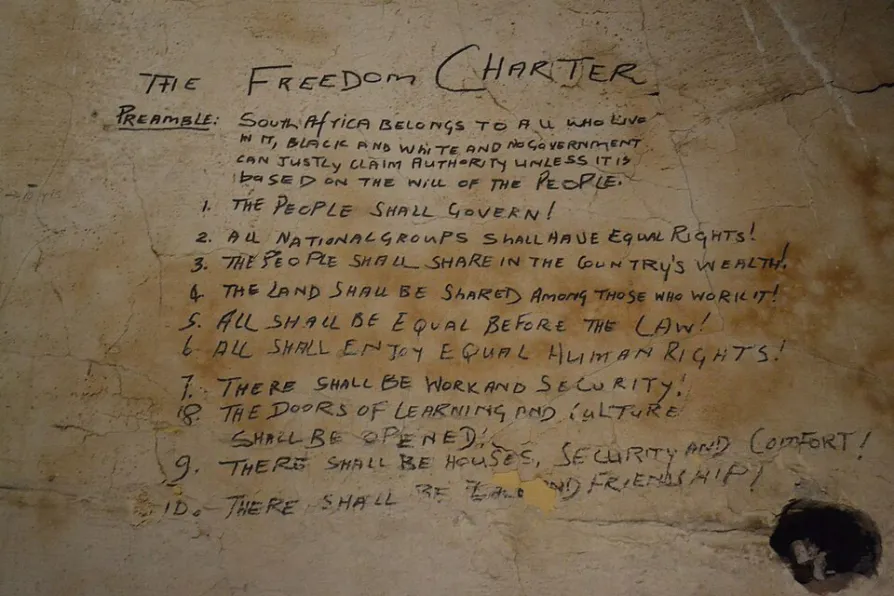
The charter emerged from a profoundly democratic process where people across South Africa answered ‘What kind of country do we want?’ — but imperial backlash and neoliberal compromise deferred its deepest transformations, argues RONNIE KASRILS