HENRY FOWLER, assistant general secretary of the General Federation of Trade Unions (GFTU), reports on Day 2 from the GFTU’s residential Summer School at the Workers’ Retreat, Quorn Grange Hotel


 Latest editorial
Any revolutionary group today is using some form of the Leveller's inheritance
JOHN REES talks to the Star about the Levellers' view of Cromwell and their importance for today
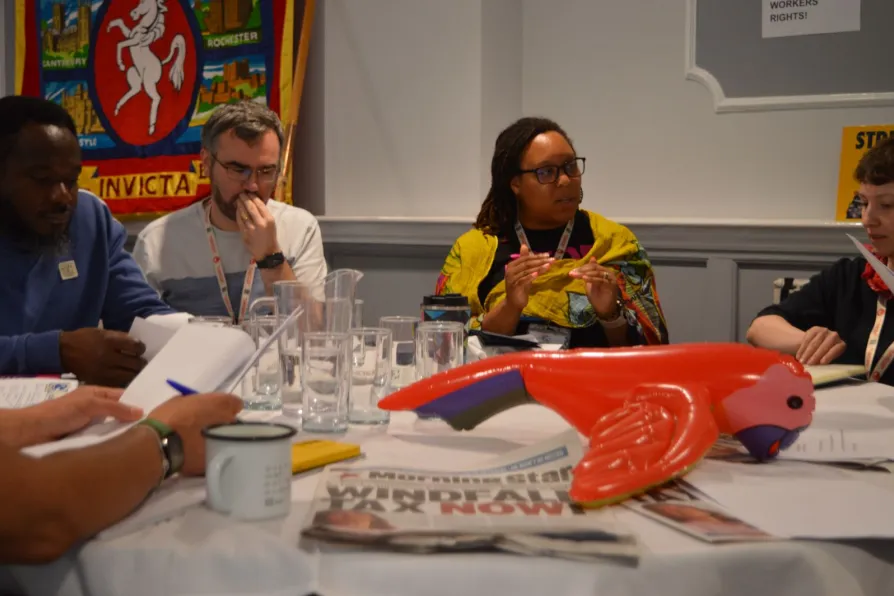
Assistant general secretary of the General Federation of Trade Unions HENRY FOWLER reports on day 1 from the GFTU’s residential Summer School at Quorn Grange Hotel
MPs and others called for the urgent release of tortured Palestinian doctor, Hussam Abu Safiya, held hostage by Israel and reportedly near death, reports LINDA PENTZ GUNTER
Strike Map co-founder HENRY FOWLER discusses the significance of today’s joint union letter to video game giant Rockstar, demanding trade union recognition for its workers. Their conversation highlights how our movement can harness its collective power to rebuild union power across the private sector
Capitalism has exploited — and polluted — our natural resources for too long, it’s time we treated our rivers as living beings, writes MIRIUM GAUNTLETT, LIAM SHAW and ROX MIDDLETON
The PM leaves office having squandered Labour’s electoral mandate and alienated its grassroots. He will not be missed, writes BRIAN LEISHMAN MP


IN PART one of this feature based on John Rees's new book about John Lilburne and the Levellers, we rediscovered the leftist Lilburne, affirmed his democratic credentials and learned there was no working class, as we would understand it, in 17th century England.
In the final part, Rees addresses the importance of Lilburne today, for activists and the electorate, when the call for meaningful democratic participation is stronger than ever.
James Florey of Veterans For Peace UK asks how relevant is John Lilburne and his work today?
As with any historical experience, it's always that part of it is relevant and part of it isn't.

Similar stories
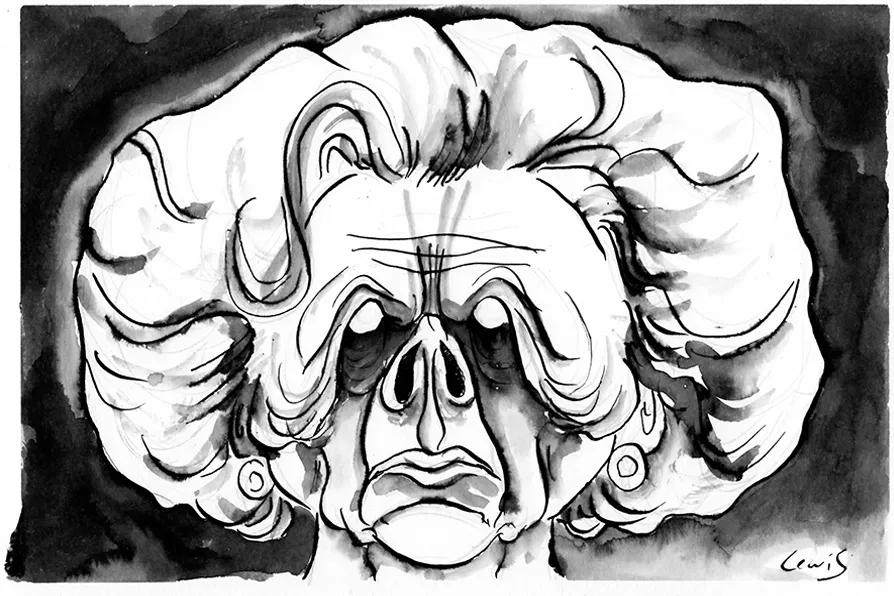
Ron's rages are sincere and — according to his wife — healthily cathartic. But can these splenetic outbursts loosen the grip of capitalism at its most monstrous?

The selection, analysis and interpretation of historical ‘facts’ always takes place within a paradigm, a model of how the world works. That’s why history is always a battleground, declares the Marx Memorial Library

With ‘Your Party’ holding its founding conference in Liverpool this weekend, JEREMY CORBYN speaks to Morning Star editor Ben Chacko about its potential, its priorities — and a few of its controversies too

CWU leader DAVE WARD tells Ben Chacko a strategy to unite workers on class lines is needed – and sectoral collective bargaining must be at its heart