

 Latest editorial



THE South African Communist Party denied yesterday that it was backing Deputy President Cyril Ramaphosa to lead the ANC.
Spokesman Alex Mashilo denounced media reports that the party supported the former miners’ union NUM leader, now a millionaire businessman, at December’s ANC elective conference in Guateng province.
Mr Mashilo reminded journalists of the party’s central committee statement of December 16, which insisted that all prospective ANC national office bearers should be vetted for their capacity “to avoid being factionalist and unite the ANC, the alliance and the historical support base of our liberation struggle.”

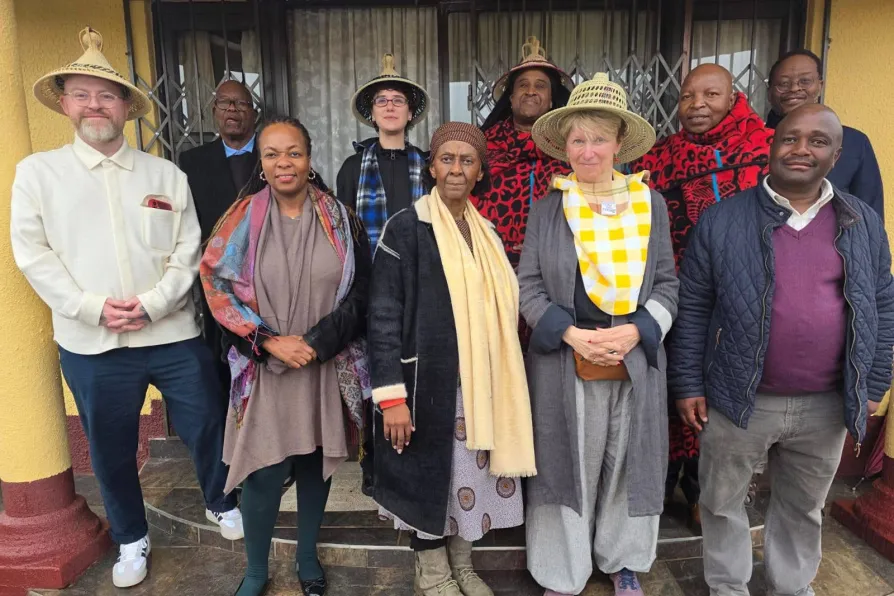
ROGER McKENZIE looks at how ancient traditions practiced today can be the cornerstone of anti-imperialism in Africa
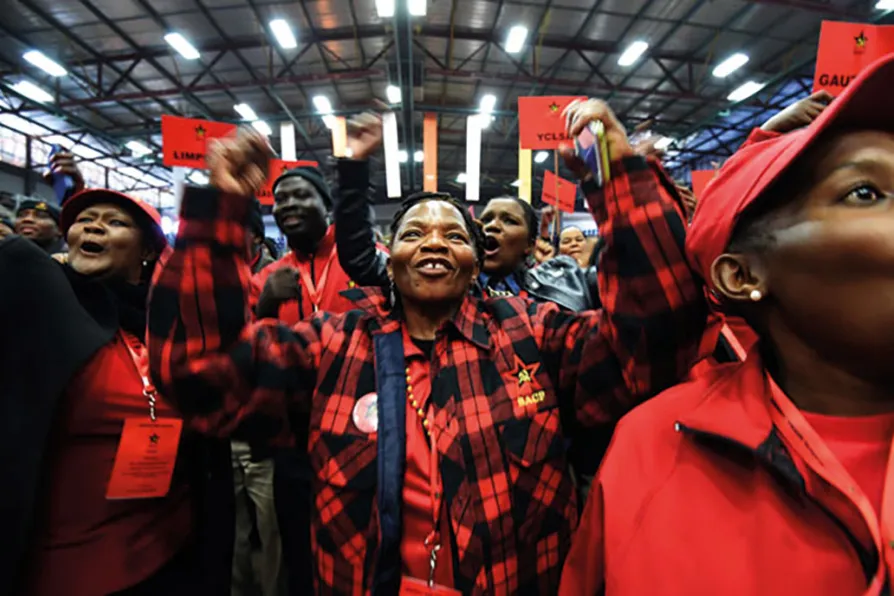
The shared path of the South African Communist Party and the ANC to the ballot box has found itself at a junction. SABINA PRICE reports
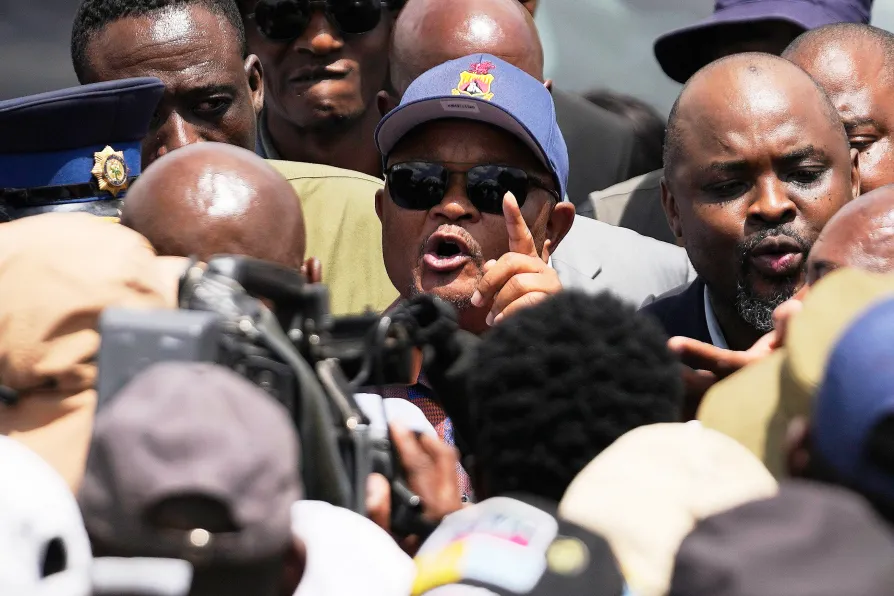
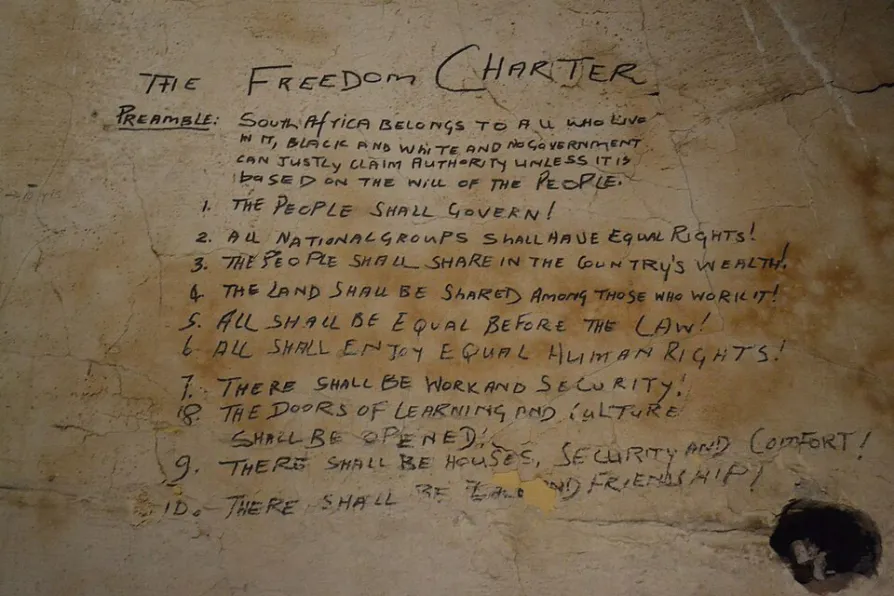
The charter emerged from a profoundly democratic process where people across South Africa answered ‘What kind of country do we want?’ — but imperial backlash and neoliberal compromise deferred its deepest transformations, argues RONNIE KASRILS