

 Latest editorial



SOUTH AFRICA’S former ambassador to Cuba has warned the Communist Party against breaking alliance with the ANC and going it alone in the elections.
Former South African Communist Party (SACP) Limpopo provincial secretary Phatse Justice Piitso’s open letter to the party’s second deputy general secretary Solly Mapaila was published yesterday by the New Age, the country’s only pro-ANC newspaper.
Mr Mapaila told the weekend City Press newspaper that breaking the 80-year-old alliance with the ANC “is almost a fait accompli” ahead of the party’s congress this summer.


ROGER MCKENZIE recalls the one-in-a-generation communist leader murdered at the dawn of a new South Africa 33 years ago last April 10

JOHN REES replies to Claudia Webbe
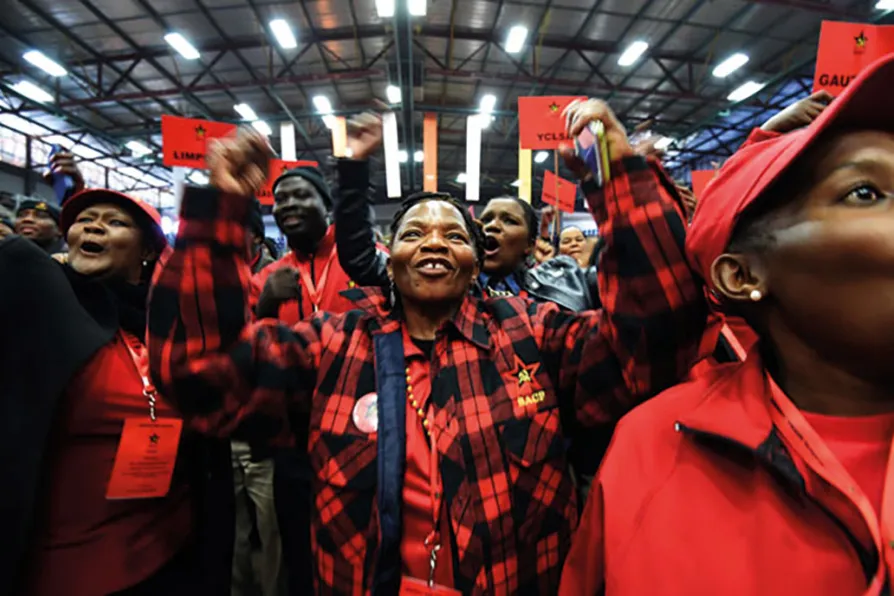
The shared path of the South African Communist Party and the ANC to the ballot box has found itself at a junction. SABINA PRICE reports
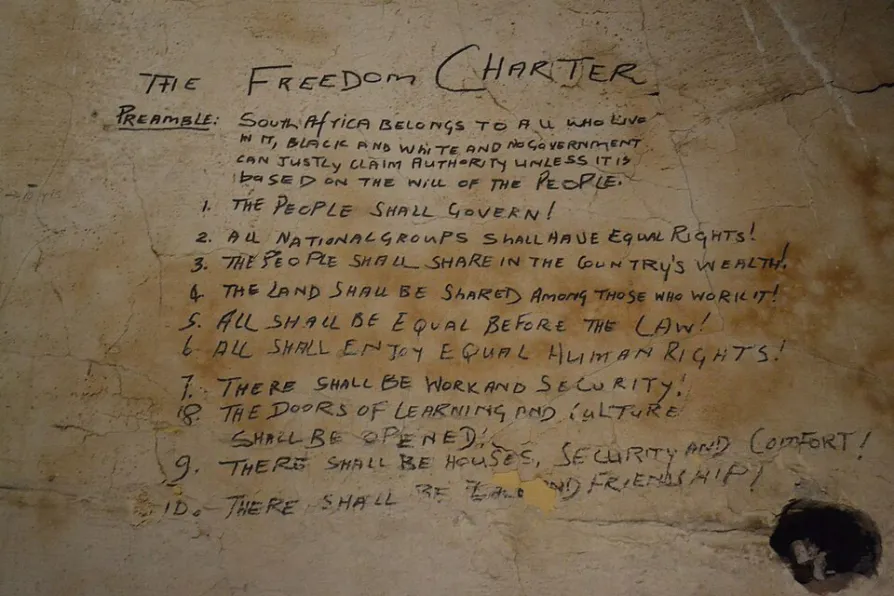
The charter emerged from a profoundly democratic process where people across South Africa answered ‘What kind of country do we want?’ — but imperial backlash and neoliberal compromise deferred its deepest transformations, argues RONNIE KASRILS