The Tories introduced the 50% strike ballot threshold to make industrial action harder. MATT WRACK argues that a Labour government has no justification for leaving it on the statute book


 Latest editorial
The political centre ground does not exist
The so-called ‘centre ground’ is a vapid term used to normalise austerity and neoliberalism, writes BEN GRANT-FOALE

In the wake of Ann Widdecombe’s murder, JOHN GREEN wonders whether the government will really get to grips with the root cause of these attacks on our MPs
The new PM’s opening addresses offered hope, council homes and reform — but little detail on how any of it will be delivered, warns CLAUDIA WEBBE
Despite the screeching from the right-wing media, Burnham’s speech chimed with the public mood - and socialists should take advantage, says Morning Star editor BEN CHACKO
Scotland's Labour leader cannot continue to evade responsibility for the party's decline, argues LAUREN HARPER
Nature as well as society works dialectically, asserts the Marx Memorial Library and Workers’ School


AMONG the many political buzzwords the “centre ground” is one of the most pervasive. I have never seen a definition of it and I never expect to. This is because it is a meaningless phrase politicians use to slander those they disagree with.
For politicians like Nick Clegg, the centre is the site of rationality and reason and the only form of “sensible” politics. It is also the only position that isn’t infected with the extremist ideologies of left or right. But this view masks the Lib Dems’ lack of substantive policy, as they use the mythical term to define themselves against others instead of providing their own political vision. This is shown by the current plight of the party under Tim Farron (inset), as he resorts to begging for Labour voters and incessantly casting Jeremy Corbyn as a dangerous ideologue for opposing the economic consensus.
It became necessary for Clegg to employ the term after he became leader and entered into coalition with the Conservatives. After moving the party to a more fiscally hawkish position, it was a useful way of concealing the fact that the party had moved to the right and accepted austerity.

Similar stories

JOHN McINALLY sees little chance of change at Westminster, and calls on the left to get serious about building a real alternative
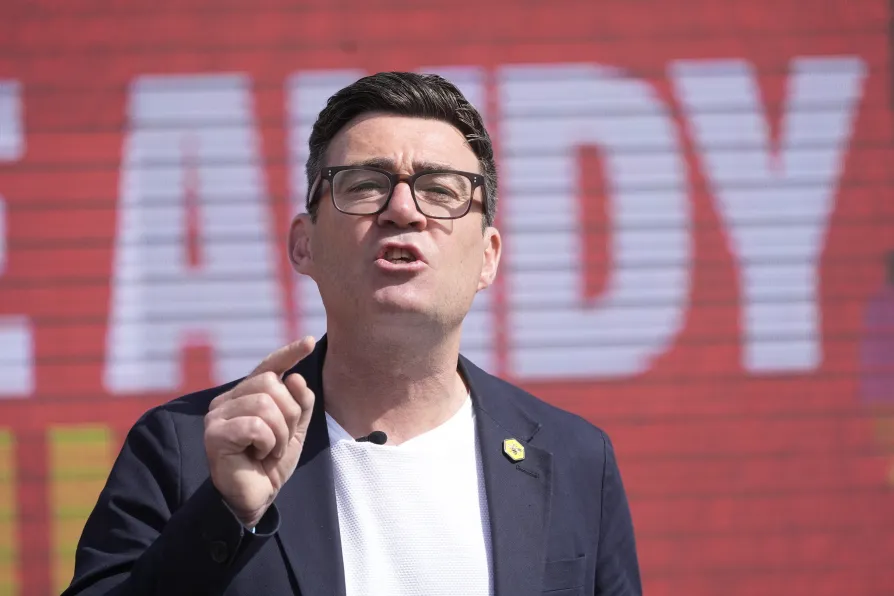
Burnham’s Makerfield triumph offers the party the opportunity to reconnect with working people, but only if it rejects business as usual, says CAROL MOCHAN MSP
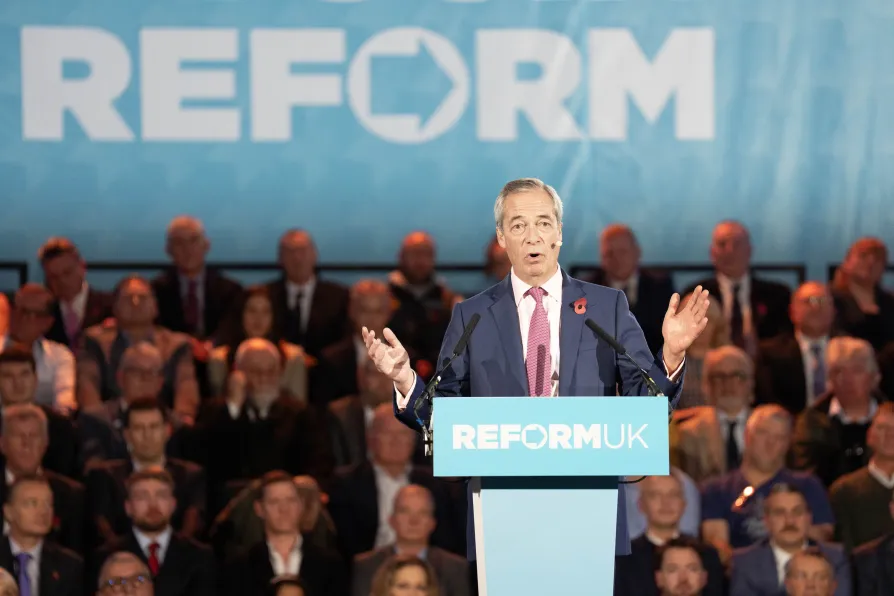

Deep disillusionment with the Westminster cross-party consensus means rupture with the status quo is on the cards – bringing not only opportunities but also dangers, says NICK WRIGHT