

 Latest editorial
![A recue carried out in the Mediterranean Sea by SOS Mediterranean [Pic: Marcel Beloqui Evardone / SOS Humanity]](https://morningstaronline.co.uk/sites/default/files/styles/desktop/public/2026-06/20251124_Rescue_01_Marcel_Beloqui_Evardone_LQ-21.jpg.webp?itok=iwkIhCAa)


SOUTH AFRICAN miners’ union NUM welcomed a report yesterday into the killing of 44 people at the Marikana mine three years ago.
Violence began at the platinum mine in what is now Bokone Bophirima province on August 11 2012 when Lonmin allowed representatives of the Association of Mineworkers and Construction Union (AMCU) onto the mine premises to recruit members in opposition to the well-established NUM.
Lonmin had caused a dispute by unilaterally raising salaries of one grade of workers. Miners’ wages have for decades been negotiated nationally between the NUM and the Chamber of Mines, an umbrella group of mining firms.
AMCU exploited the grievance to poach member from the NUM and foment an unofficial strike on August 9, allowing the company to sack them.
The NUM welcomed the commission’s agreement with its testimony that the strike was characterised by high levels of violence and intimidation.
Four miners, two security guards and two police officers were killed over the course of a week.
During a hilltop protest organised by AMCU on August 16, a group of men attacked police with spears and clubs. The police fired on the attackers, killing 34 and wounding 78.
Since the tragedy, NUM shopstewards and members have been beaten, murdered and burnt out of their homes.
The report criticised Lonmin for allowing the situation to escalate and not ensuring the safety of its employees.
It also blamed AMCU for making inflammatory remarks and failing to control its members.
The release of the report overshadowed celebrations of the 60th anniversary of the Freedom Charter, the guiding document for the anti-apartheid congress movement.

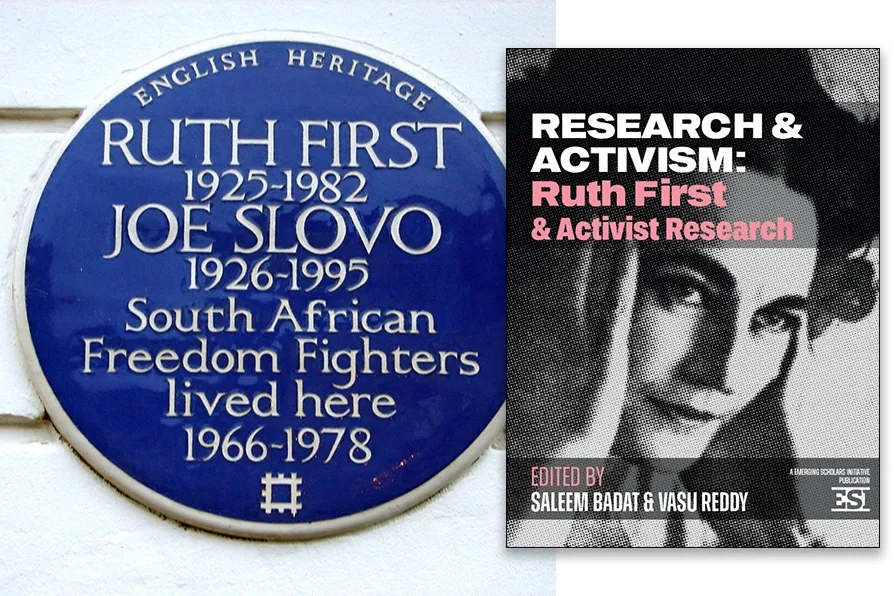
SALEEM BADAT and VASU REDDY introduce a new book about an outstanding interpreter of the world, and an activist scholar committed to changing society
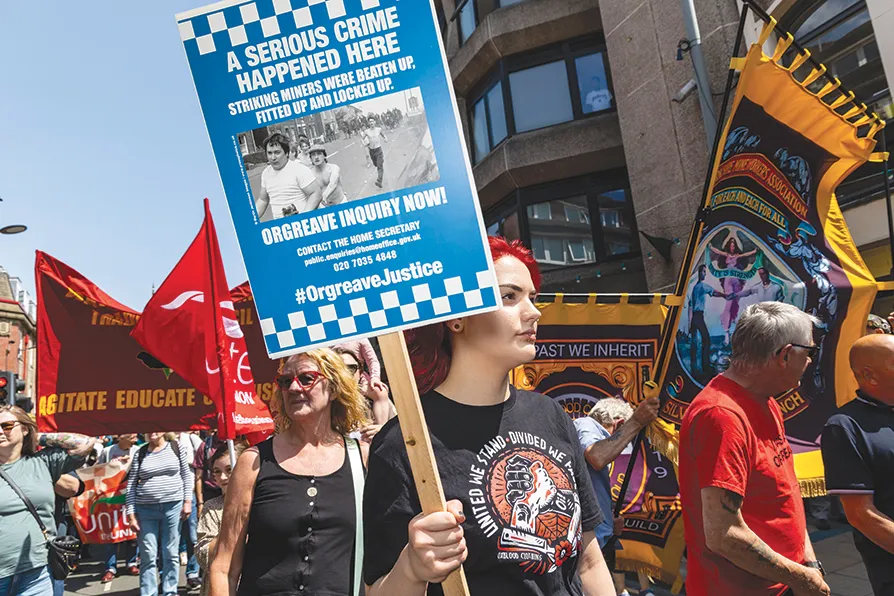
The Home Secretary’s recent letter suggests the Labour government may finally deliver on its nine-year manifesto commitment, writes KATE FLANNERY, but we must move quickly: as recently as 2024 Northumbria police destroyed miners’ strike documents
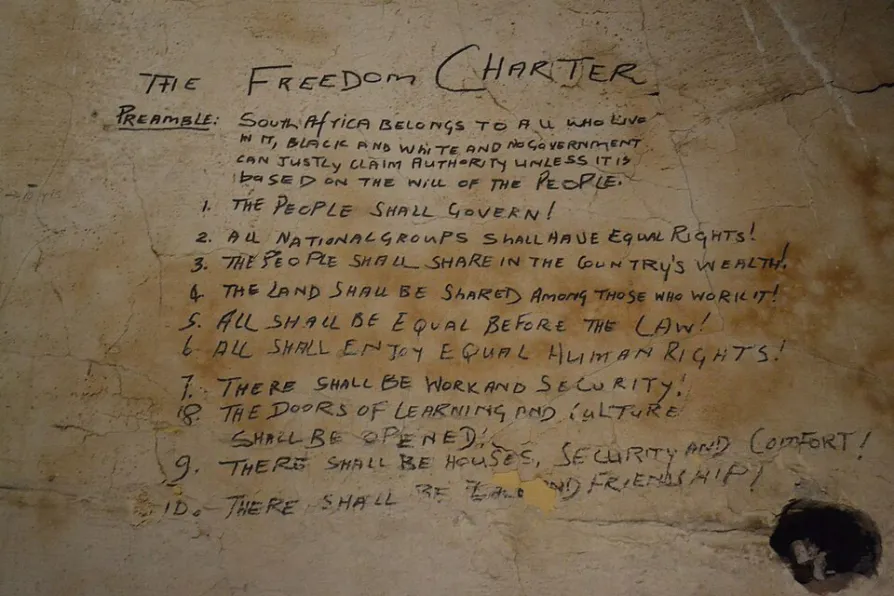
The charter emerged from a profoundly democratic process where people across South Africa answered ‘What kind of country do we want?’ — but imperial backlash and neoliberal compromise deferred its deepest transformations, argues RONNIE KASRILS