

 Latest editorial
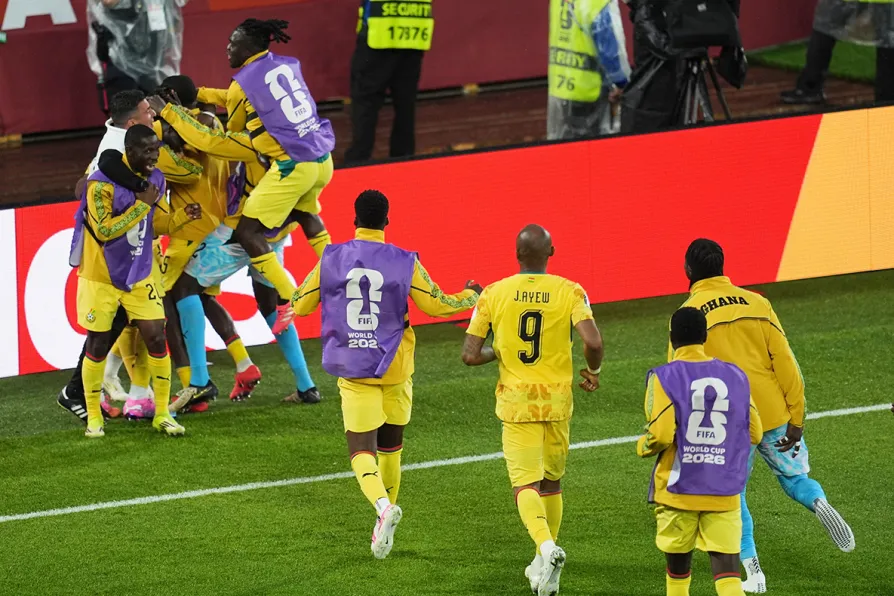


WHEN, in 1992, an 18-year-old scrawny flyweight entered a professional boxing ring for the first time at a leisure centre in Mansfield, Nottinghamshire, no-one there could have predicted the impact that this kid would have not only on British boxing, but world boxing over the following six to seven years.
The kid’s name was Naseem Hamed, he would come to be known as Prince Naseem Hamed, or Naz, and would go on to generate more excitement and column inches than probably any British fighter ever has. The fact he was Asian, Yemeni, and proud in a society in which Asians were still commonly dehumanised as “Pakis” and expected to know their place, this only added an extra dimension of wonder at the unalterable confidence which this precocious young fighter from Sheffield radiated.
Naz was a product of the famed Ingle Gym in Wincobank in Sheffield, where British-based Irish trainer Brendan Ingle did not so much train as rear kids from the rougher side of the tracks in the post-industrial steel town.

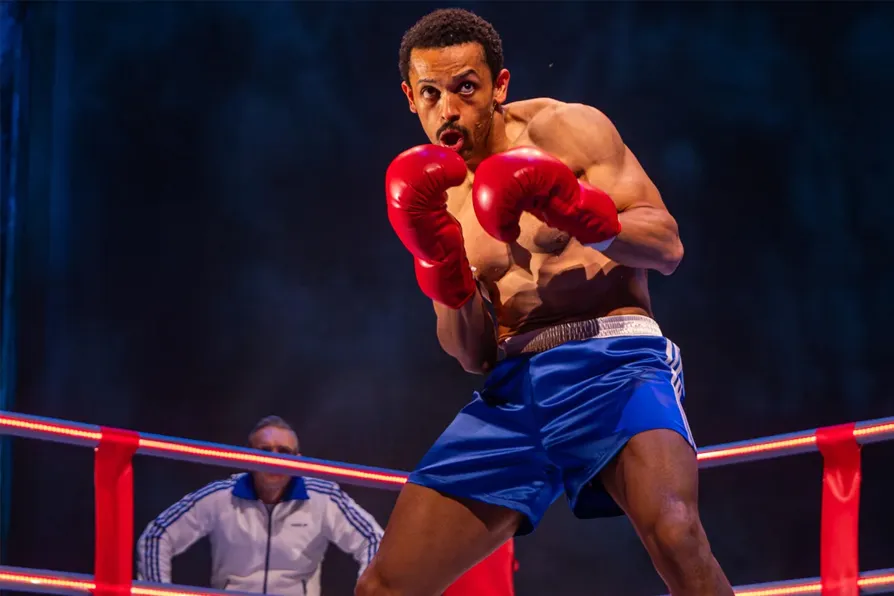
SYLVIA HIKINS recommends a fascinating, revealing, superbly acted evening of theatre
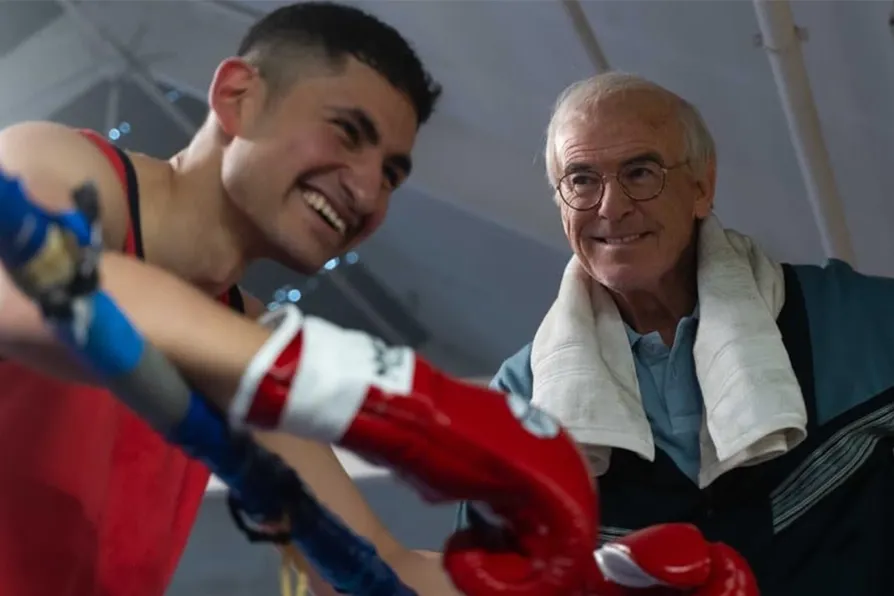
MARIA DUARTE recommends a British boxing biopic about the stormy relationship between Nazeem Hamed and his trainer Brendan Ingle
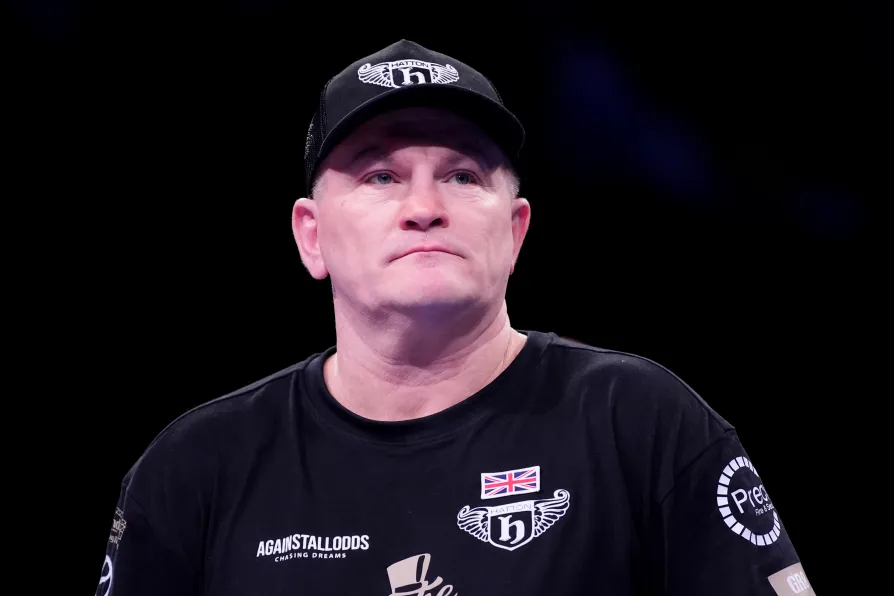
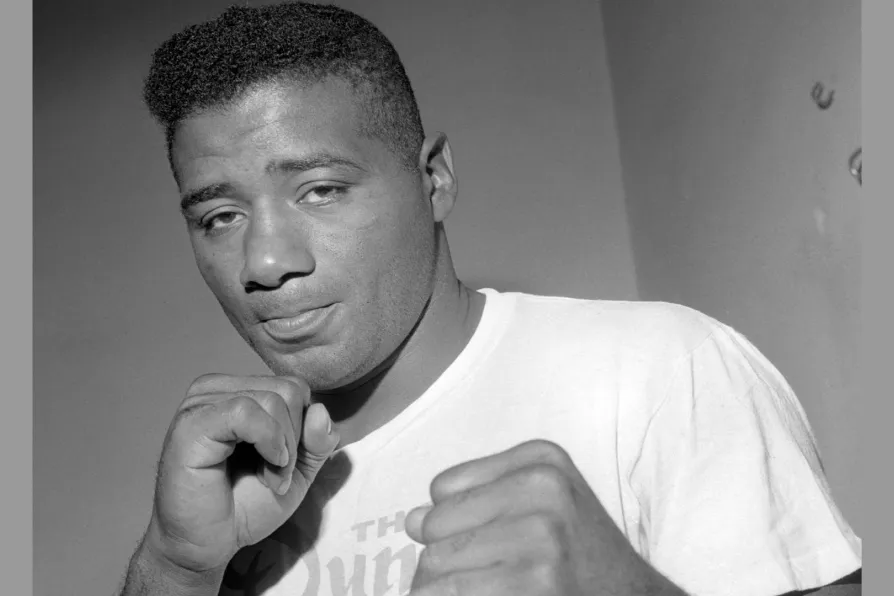
When Patterson and Liston met in the ring in 1962, it was more than a title bout — it was a collision of two black archetypes shaped by white America’s fears and fantasies, writes JOHN WIGHT