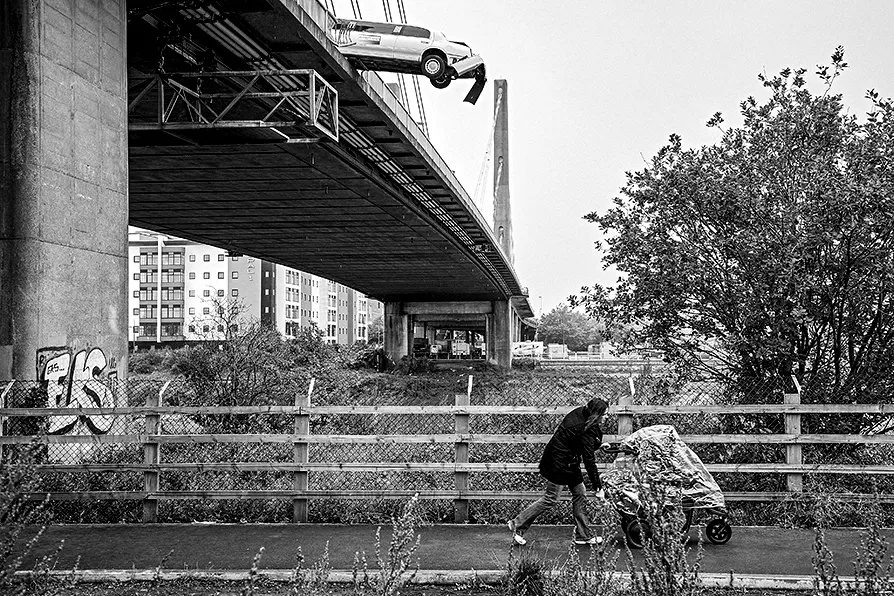
CHRIS SEARLE welcomes a startling vision of contemporary Newport from a veteran photographer of the British working class


 Latest editorial
Sometimes less is a lot more
Two new collections demonstrate why narrative poetry can work better when it's economical with its truths, says ANDY CROFT
ANGUS REID recommends a very unusual documentary: a love story between two disillusioned journalists
In verse and polemic, the bard points out that he is a poet and musician, not a political party
MARIA DUARTE, JAMES WALSH and ANDY HEDGECOCK review The Invite, My Father’s Island, Nirvanna: the Band, the Show, the Movie, and Oh My Goodness!
PAUL DONOVAN is chilled by the contemporary resonance of Harper Lee’s coming of age tale amidst racism and white supremacy in this excellent production
GEOFF BOTTOMS recommends the unashamedly light-hearted escapism on offer in this stage version of the 1963 film


For thousands of years it was understood to be the responsibility of poetry to tell stories - public and private, real and imagined. From The Iliad to The Wasteland poets sought to impose a compelling narrative shape on events.
Today, poetry is arguably the least effective way of telling a story. Cinema is better at action, theatre is better at dialogue and novels are better at psychology and plot.
In a world of so many noisy competing narratives, how can poets still tell stories? Or rather, what kind of stories should a poet try to tell? Jokes that pack a punch-line? Fables that pack a punch? Bukowski-like anecdotes? Wild and entertaining inventions?

Similar stories
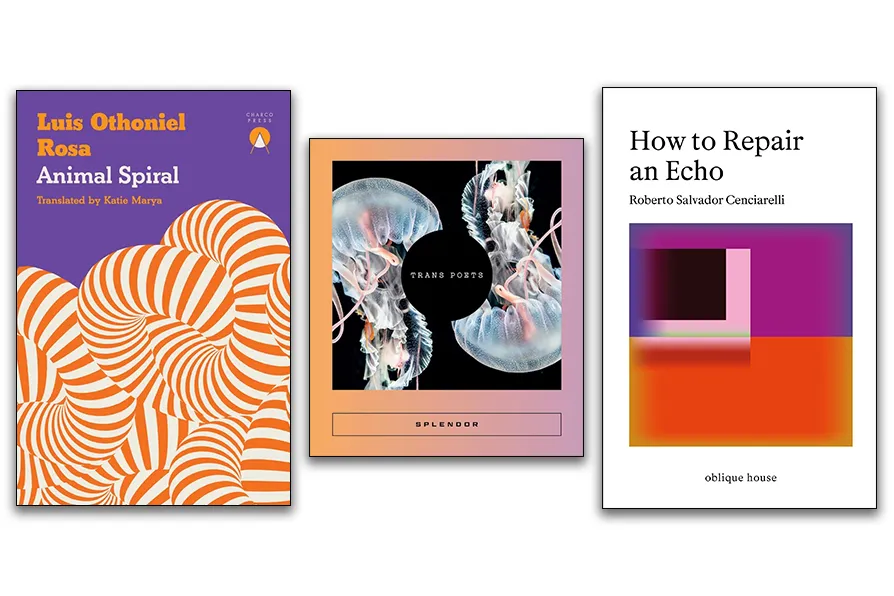
From post-human revolution in Puerto Rico to trans poetics and queer mythmaking, these three books that imagine new ways of being together
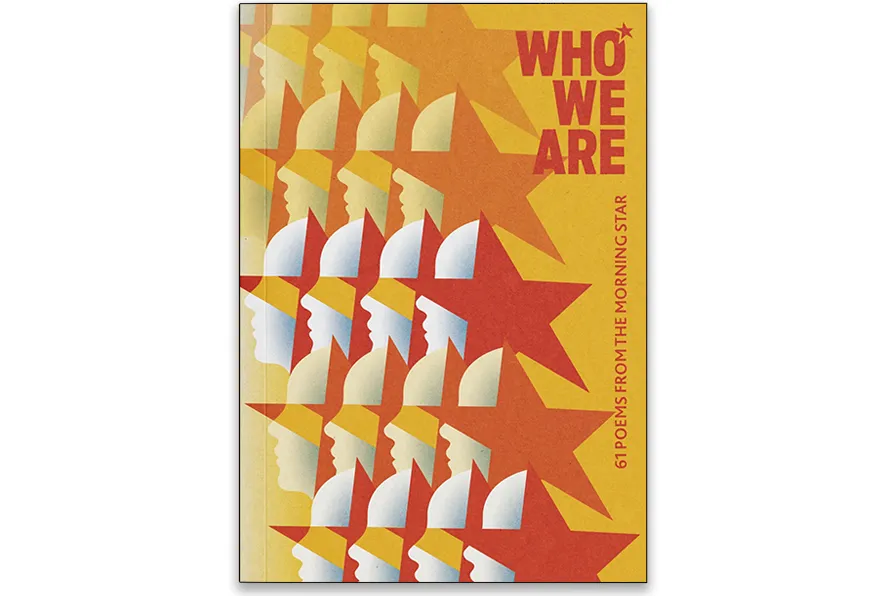
ANDY CROFT welcomes the publication of an anthology of recent poems published by the Morning Star, and hopes it becomes an annual event
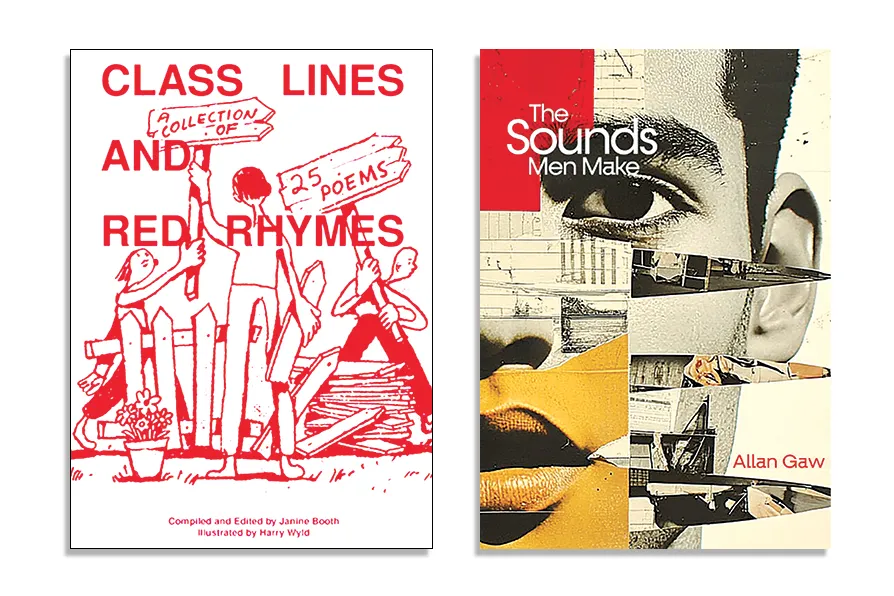
RUTH AYLETT reviews two collections of outright political poetry
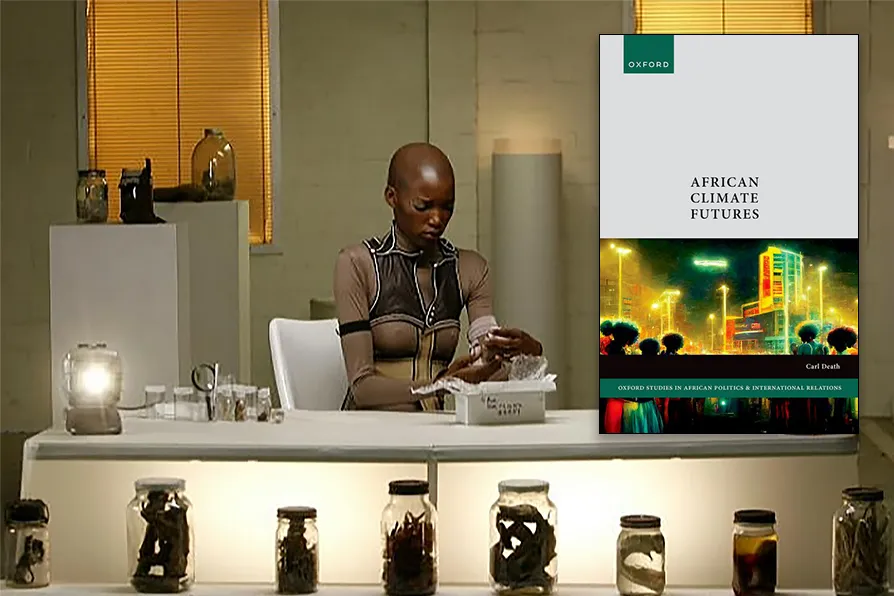
CARL DEATH introduces a new book which explores how African science fiction is addressing climate change