PCS general secretary FRAN HEATHCOTE explains why opposing war is inseparable from defending jobs, wages and public services – and why readers should come to the London Peace Conference on Saturday June 20


 Latest editorial
Warning from the past
The resurgence of Ukraine's sinister forces of the right makes for an uneasy political future, writes KENNY COYLE
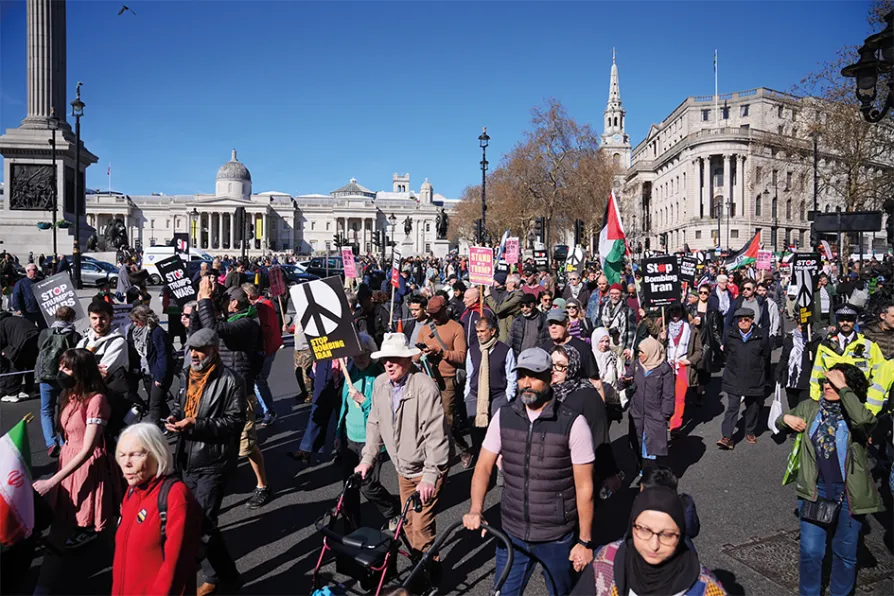
As protests erupt over Henry Nowak’s murder, ANDREW MURRAY argues that anger is being exploited to advance a wider racist and anti-immigration agenda
CARLOS MARTINEZ explains the sound case for car manufacturing co-operation with China
The National Emergency Briefing outlines the need for urgent action to address environmental crisis, says PAUL DONOVAN, warning that there’s no time to indulge the arguments of the fossil-fuel-funded climate-change deniers
Campaigners say criticism of Labour MP Stephen Morgan’s position on Gaza has been met with police intervention and cancelled opportunities for debate. HESTER WOLFE reports
The Committee for the Defence of Iranian People’s Rights warns of escalation danger in Iran war


In 1929, the Organisation of Ukrainian Nationalists (OUN) was formed in Vienna. From the beginning, the OUN attracted a number of extreme right-wing and militarist groups such as the Ukrainian Military Organisation (UMO), consisting of Polish-Ukrainian war veterans, the Union of Ukrainian Nationalist Youth (UUNY) and tellingly the Union of Ukrainian Fascists (UUF).
Although pan-Ukrainian in outlook, the OUN was mostly based in Polish-ruled territory of what is today western Ukraine and its early armed actions were directed entirely against the Poles, such as the 1934 assassination of Bronislaw Pieracki, the Polish minister of internal affairs.
By 1940, the imprint of fascist ideology was becoming more apparent and the OUN split in two.

Similar stories
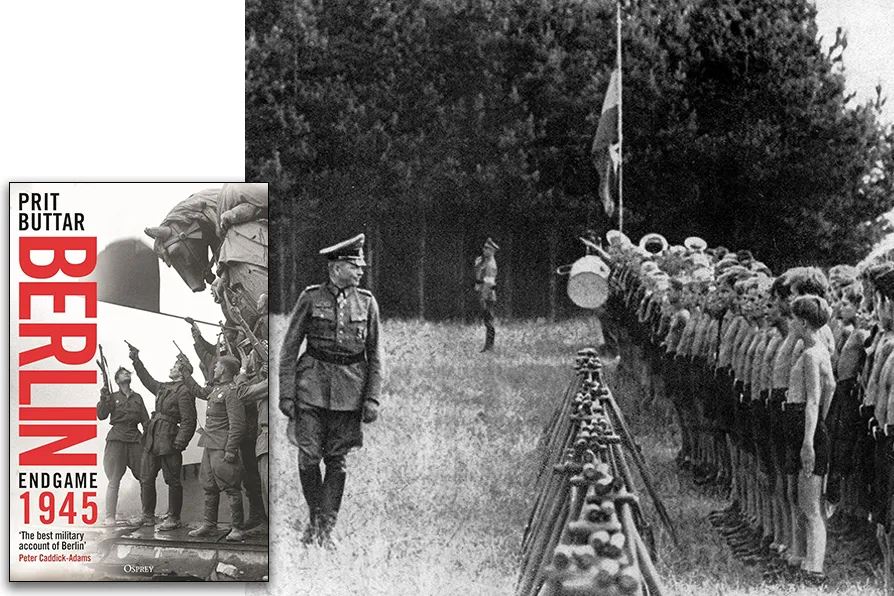
WILL PODMORE admires an account of the liberation of Berlin that overthrows the conventional US army-inspired account
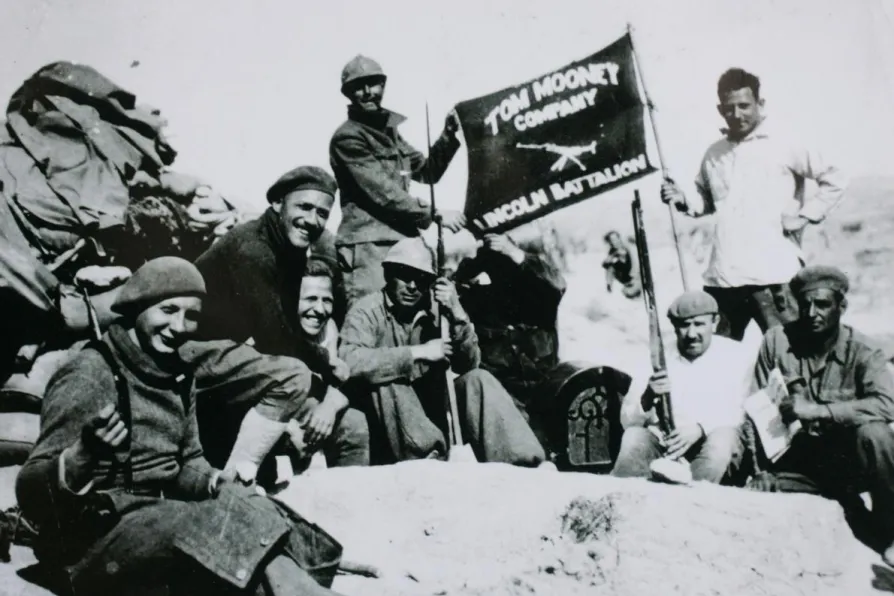
CJ ATKINS commemorates one of the most dramatic moments in working-class history
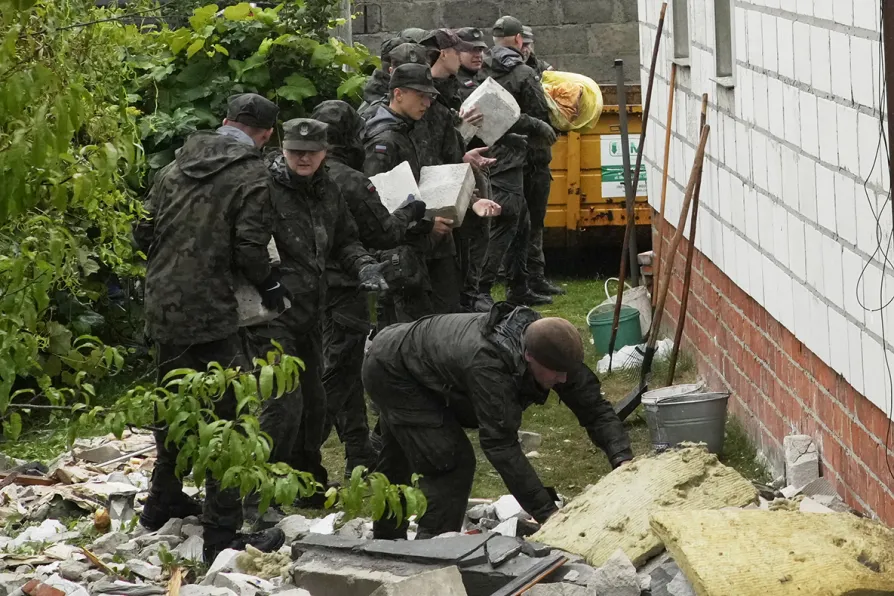
MARK HAZELDEN criticises the Western narrative that the incident was an escalation of Russia’s confrontation with the West, given that Belarus, a Russian ally, warned Poland of off-course drones, and the drones were unarmed, cheap wooden decoys
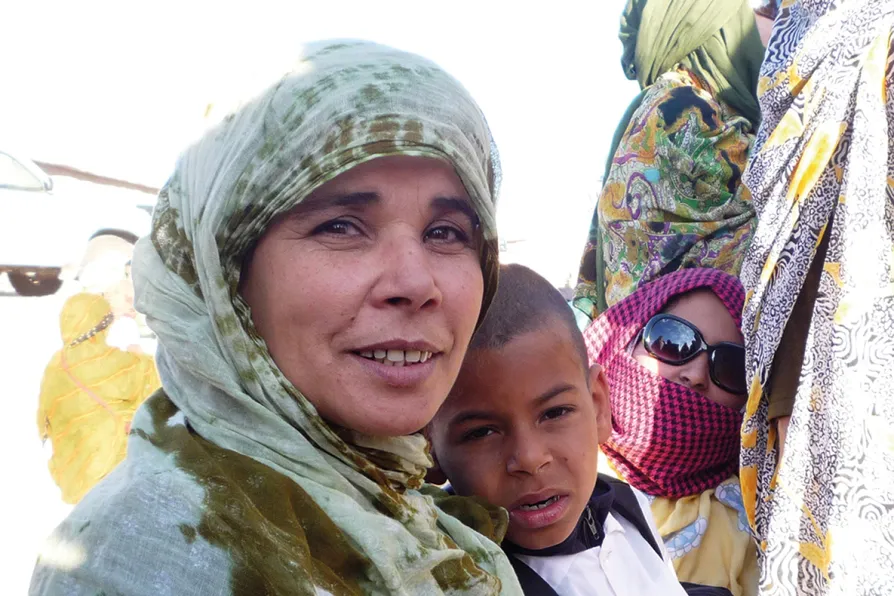
We must remember Morocco’s land grab of the Sahrawi people’s territory continues with French and British support, writes BERT SCHOUWENBURG, looking into the origins of the annexation