CJ ATKINS takes a closer look at Trump’s recent spate of red-baiting speeches and asks why the authoritarian president is running scared


 Latest editorial
The roots of neofascism in East Germany
The fall of the Berlin Wall enabled neofascist activity to spill over into East Germany, laying the groundwork for the strengthening of right-wing forces today, writes JACOB YASKO
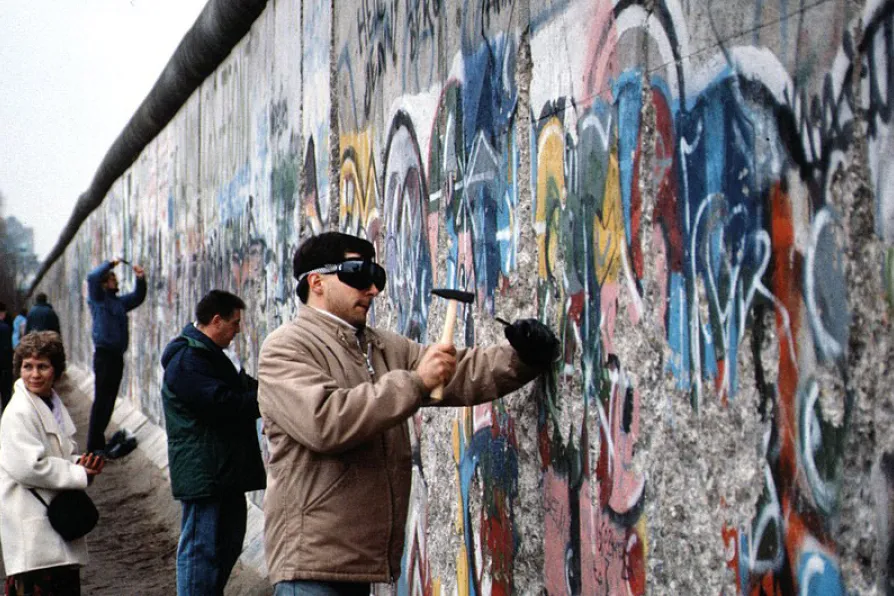 LETTING THE RIGHT IN: Men chip away at the defunct Berlin wall, 1989
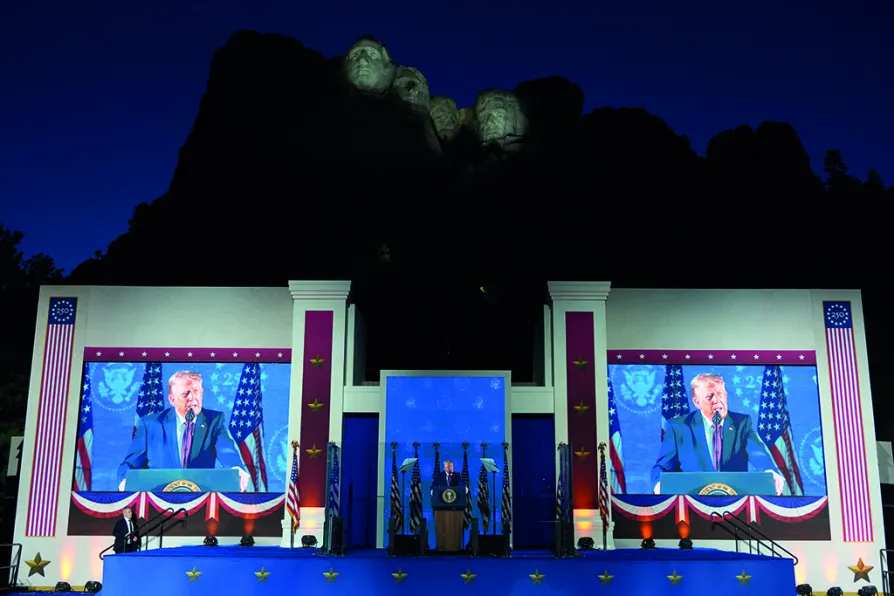
JOHN McINALLY sees little chance of change at Westminster, and calls on the left to get serious about building a real alternative
With the centenary of the UN Slavery Convention upon us, ROGER McKENZIE argues much needs to be done to rid us of all its contemporary manifestations
SEVIM DAGDELEN says European Nato states are escalating ever closer to direct conflict with a nuclear power, and sacrificing welfare states built up over a century to finance it
CLAUDIA WEBBE says the horrific price British patients will pay for this NHS deal is now clear — and there’s time to get out of it, if MPs will only force the issue
KENNY MacASKILL says the lines between party, government and Civil Service in Scotland have been blurred and we need a thorough investigation into how


ON November 9, 1989, the German Democratic Republic (GDR) relinquished its border security to the Federal Republic of Germany (FRG). While the world watched images of euphoric citizens pouring into West Berlin, the political reality of the moment was far more sobering: the opening of the border sealed the future of socialism in Germany. What followed was annexation, accompanied by economic liquidation, mass unemployment and the subjugation of the entire GDR population under a new order.
The FRG, designed as a front-line state against socialism, had long incorporated far-right elements into its institutions. In this context, the Berlin Wall was not just a border, but also a protective barrier against fascism.
After 1989, neofascist groups rapidly expanded into East Germany, reinforcing the argument that the wall had served as a defence against reactionary forces. Even figures like John F Kennedy understood that without the wall, conflict was inevitable. The same claim was later supported by Heinz Kessler and Fritz Streletz, who presented extensive evidence on the subject in their book Without the Wall, There Would Have Been War.

Similar stories
JOHN GREEN argues that the spreading practice of closing bank account without proof of criminality is an infringement of an elementary human right
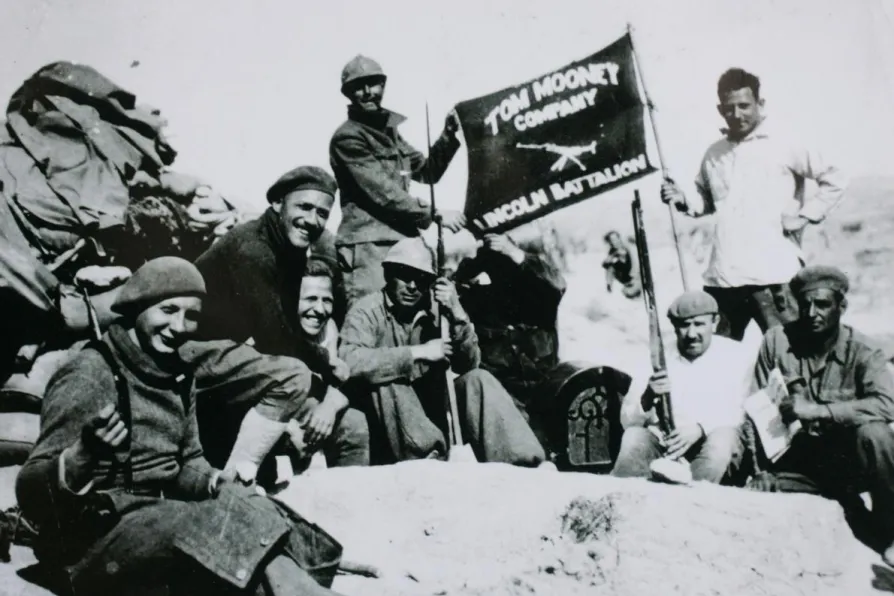
CJ ATKINS commemorates one of the most dramatic moments in working-class history

NICK WRIGHT returns to Berlin and finds a city in darkness and political turmoil
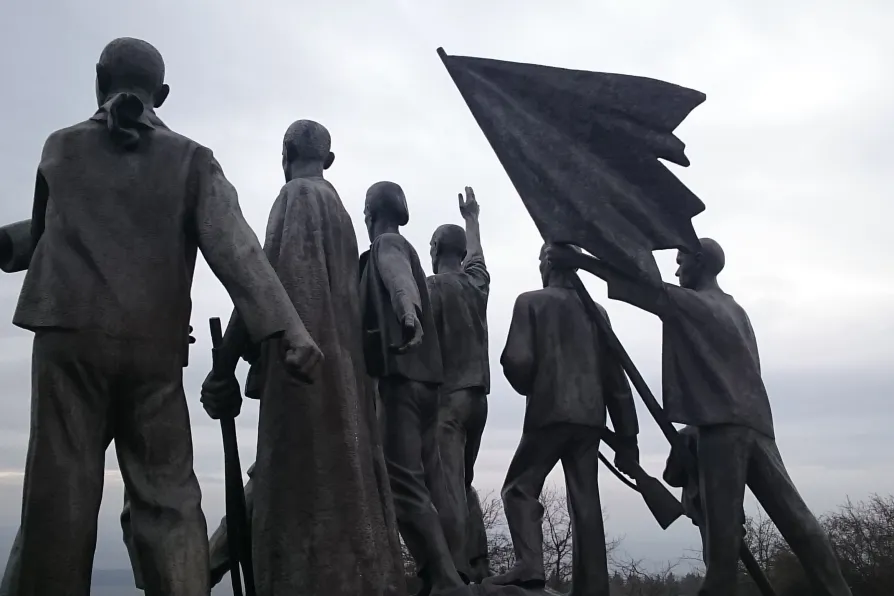
The decision highlights the tension between freedom of expression and the state’s role in shaping historical memory at former concentration camps, reports LEON WYSTRYCHOWSKI