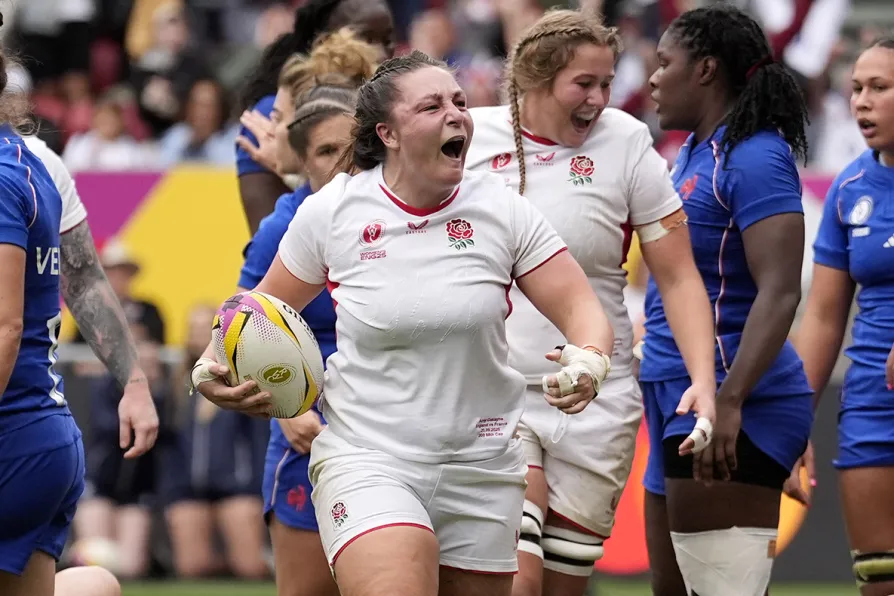
Fifty years ago this month, Britain faced its hottest summer on record, as welterweight champion Stracey met his match in Mexico’s Palomino, writes JOHN WIGHT.


 Latest editorial
Panama’s other national anthem sends World Cup message ahead of England game
JAMES NALTON celebrates Ruben Blades’s song Patria – played before Panama’s game against Ghana — a song inspiring hope instead of hate
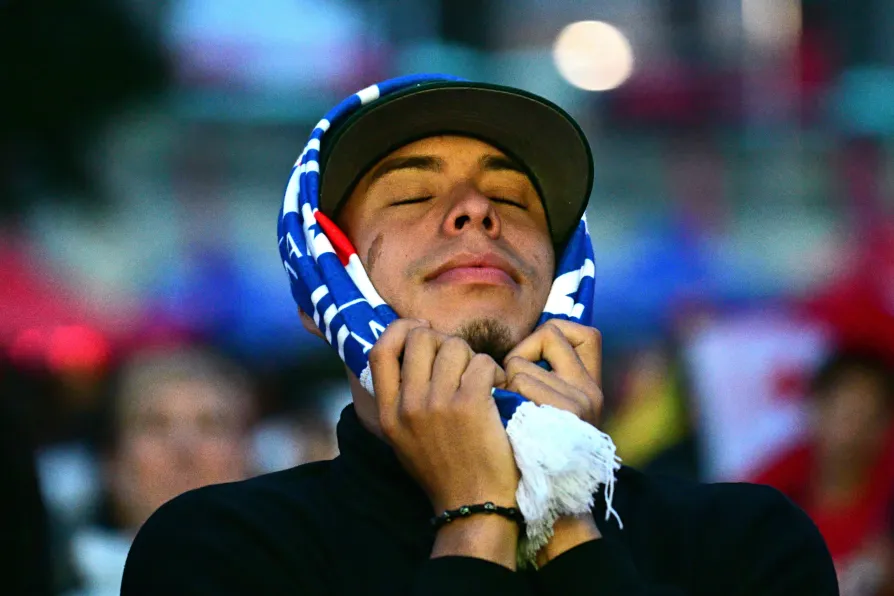 HOPE: Panama fans react during the match against Ghana
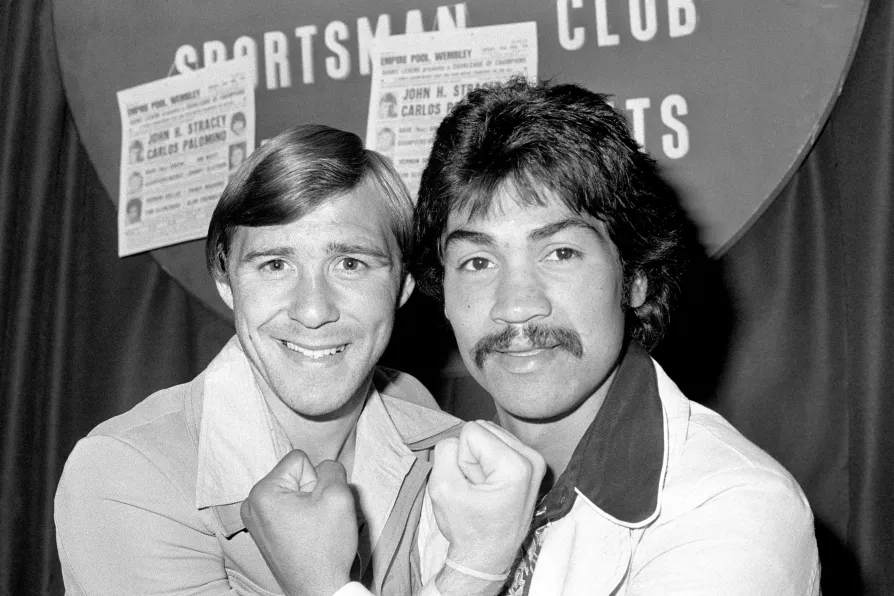
Including races at Newcastle, York and Chester


THE songs that accompany World Cups can linger as long in the memory as the games themselves. From local broadcasters’ TV themes to the official tournament tunes that feature so heavily they become ingrained in the brain whether we like them or not, the soundtrack is part of these festivals of football.
A song played before Panama’s game against Ghana in Toronto might not be the most prominent piece of music at the 2026 World Cup, but it’s one that resonates strongly with this particular edition.
The song in question is Patria by Ruben Blades, and the Panama fans gave a rousing rendition of it. They call it their second national anthem, and it is regularly heard before their games.
Swathes of Panama fans had already set the scene for what would be one of the best atmospheres of the World Cup group stages. Supporters of the Central American nation descended on Toronto, lining the streets ahead of their game against Ghana as they marched to the match on the banks of Lake Ontario.
The Toronto Stadium, usually the home of Major League Soccer’s Toronto FC, is a compact, soccer-specific venue, more akin to those used for domestic soccer elsewhere in the world and in contrast to the massive NFL constructions seen in the United States at this World Cup.
This concentration of passionate supporters lent itself well to building the pre-match atmosphere, to which the Ghana fans also contributed, especially as their team nabbed a dramatic late winner.
This was the first of two games Panama played in Toronto, which allowed these travelling fans, some from elsewhere in North America as well as Panama itself, to set up camp in the Canadian city.
The rendition of Patria came ahead of the official pre-match ceremony and anthems. All credit to the stadium DJ for going with it.
It was a moment and a piece of music whose message, and the views of the artist delivering it, are pertinent to international football, and to this World Cup in particular.
Though this piece of music has been adopted by Blades’s homeland of Panama, it speaks of national identity more generally.
The song’s message of national pride rather than nationalism makes it relevant at a tournament where fans from various nations unite, despite the government of one of the hosts, the US, using it to espouse divisive nationalism and issue travel bans to the fans of some countries.
This nationalism has been seen most starkly in posts by Homeland Security on X reading “Our Soil, defend the homeland,” and another, later deleted, saying “total domination, built the wall,” on the back of US victories.
Blades himself pushes back against this kind of rhetoric. He has a history of strongly opposing US imperialism and US intervention in Latin America.
His 1981 song, Tiburon, specifically criticised US intervention in the Salvadoran civil war, but the description of the US as a shark landing on the beaches of the Caribbean and Central America saw it come to stand in opposition to US meddling across the region.
Its release resulted in Blades’s songs being banned from US commercial radio for 15 years.
In a recent social media post, Blades referred to Trump as El asno naranja, the orange ass, and criticised the US president’s recent actions at home and abroad.
He accused Trump and his family of “exploiting the presidency,” adding that “Trump’s shamelessness and rapacity know no bounds. He even sells Bibles for $99.99 each, with the presidential seal on the cover.”
Another Blades song, Pablo Pueblo, looks at the working-class struggle, while Prohibido Olvidar covers the subject of oppressive regimes, censorship, workers’ rights, social justice, and freedom of speech, and not forgetting how these have to be fought for.
The 77-year-old singer himself lives in New York, which has meant his political views have not been taken seriously by everyone back in Panama, not necessarily because of their message, but because of his time spent away from the country.
His decision to live in the US has drawn criticism and accusations of hypocrisy from some, but he once responded to this by pointing out that the US itself is the best place to deliver his opposition to its government policies.
“If I were singing Tiburon in Cuba they’d give me a house,” he said. “I sang Tiburon here [in the US], and they put me on a blacklist for 15 years.”
In the same interview, recorded over a decade ago for an Argentine music documentary, Blades summed up his views on the United States, which will be shared by many at this World Cup.
“I’ve never had the problem with the people of the US, nor have I had the problem with Rock ’n’ Roll, or Marilyn Monroe or the New York Yankees,” he said. “My problem has been with the policies applied by the US government.”
As Blades does, many will still enjoy aspects of the US and its portion of the World Cup this summer, but that will be despite the US government and despite Fifa’s leaders and top-level decision-makers, certainly not because of them.
Patria could be played ahead of England’s game with Panama on Saturday, in what will be Panama’s first game of this tournament to be held in the US. With it being at the New York New Jersey Stadium, maybe Blades will take the trip across the Hudson River and be there to hear it in person.
If it is played, it is worth remembering the message this, and other Blades songs, try to get across — as those messages might be all the more resonant when delivered so close to the subject of their ire.

Similar stories


Including races at Epsom and Doncaster
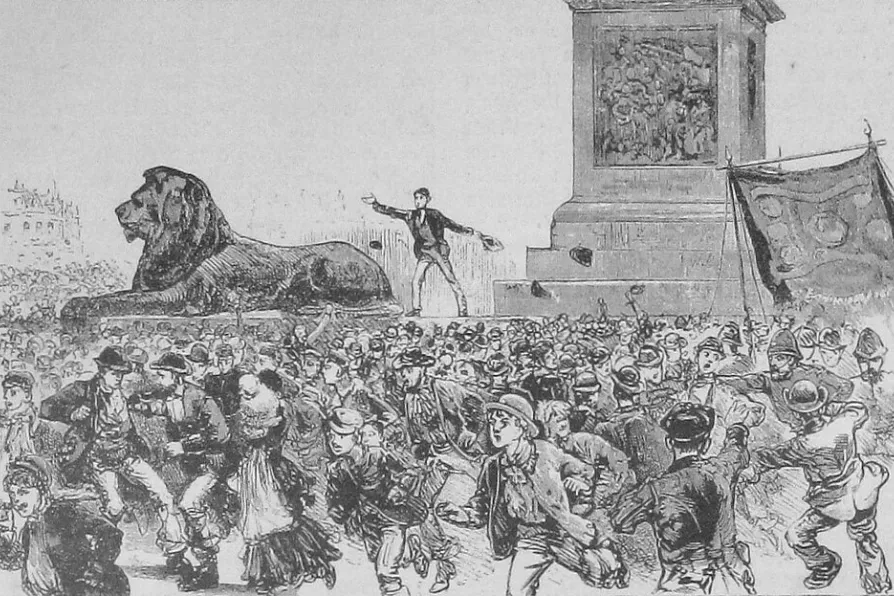
STEPHEN ARNELL looks back to when protesters took to the streets in London demand to Irish liberty, fair pay and free speech — and wonders what’s changed in 138 years