Latest editorial
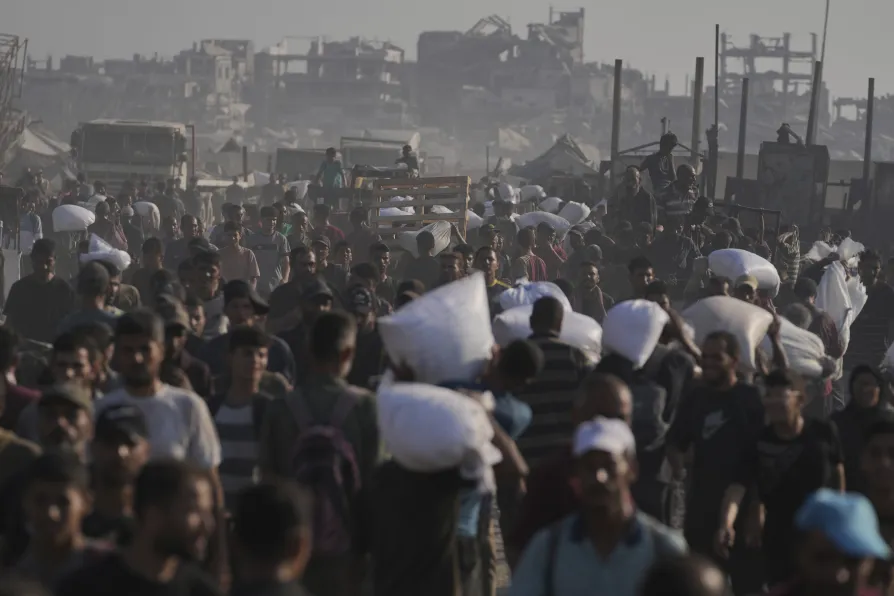
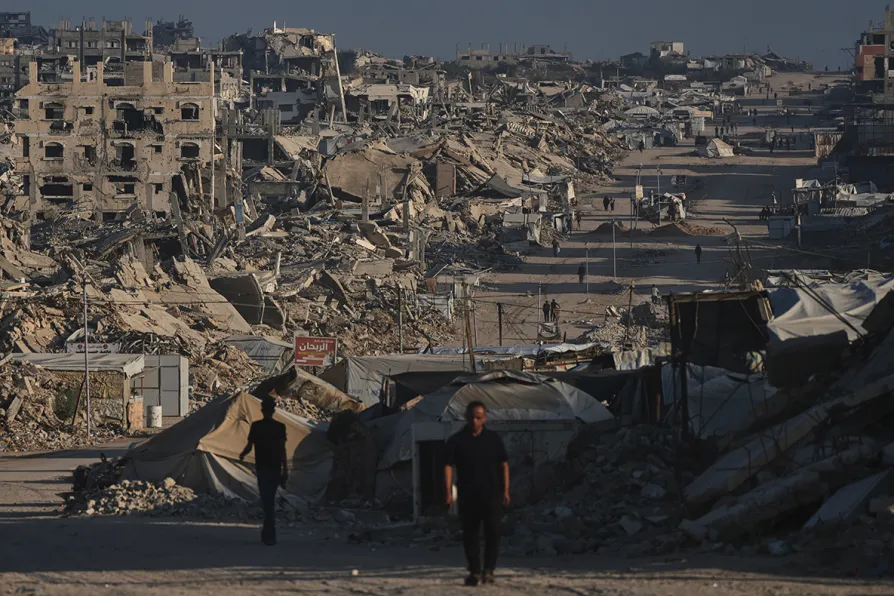 Palestinians walk along a road surrounded by buildings destroyed in Israeli military strikes during the Israel-Hamas war, in Jabaliya, Gaza Strip, July 2, 2026


GAZA faces continued uncertainty 1,000 days after Israel launched its assault on the strip, with more than two million Palestinians largely displaced and living amid ruins.
Israel’s bombardment had killed 73,066 Palestinians as of Tuesday, according to Gaza’s Health Ministry. The October 7 2023 attack on southern Israel, which preceded the invasion, killed 1,139 people and took 251 hostage. All have since been released or their remains returned.
Despite a ceasefire that took effect on October 10, Israeli strikes continue almost daily, with 1,053 Palestinians killed since it began, including over 350 women and children.
“Where is this ceasefire they keep talking about?! Shame on them,” one Palestinian, Wisal Abu Khater, said after another deadly strike, lashing out at populations of Arab states who she said have failed Gaza’s people and are busy watching World Cup games instead.
Israeli forces control over half of Gaza’s territory under the ceasefire, but Israel’s government says it aims to hold 70 per cent.
“Much more needs to be done so that even a semblance of normality can come back, and we are far, far away from this,” International Committee of the Red Cross regional director Nicolas von Arx said this week.
Palestinians say they are near their limit, sheltering in tent camps or bombed-out buildings amid the constant threat of strikes.
Famine was declared in Gaza City last August and the UN said last month that 17 hospitals remain non-functional.
All border crossings remain tightly restricted, with UN humanitarian chief Tom Fletcher saying Israeli approvals limit even prosthetic limbs over concerns about “dual use.”
Israeli military body Cogat claimed the quantities of food entering Gaza “far exceed the nutritional needs of the Gazan civilian population.”
But shop owner Mahmoud Ashour in Khan Younis said: “We’re just craving a bite to eat.”
Meanwhile, research by Statewatch, released by Al Jazeera, shows EU public institutions signed 194 contracts worth nearly €2.7 billion (£2.31bn) with Israeli companies between January 2022 and July 2025, despite Israel’s track record of war crimes.
More than half — 112 contracts worth €1.6bn (£1.37bn) — were signed after Israel launched its assault on Gaza in October 2023.
Spain, among Europe’s most vocal critics of Israel, agreed to 14 contracts worth almost €227 million (£195m), the majority stemming from a 2024 contract with Rafael for “aerial combat systems.”
Israeli military companies Elbit Systems, Rafael and Troya Tech Defence were among the top 10 contractors.

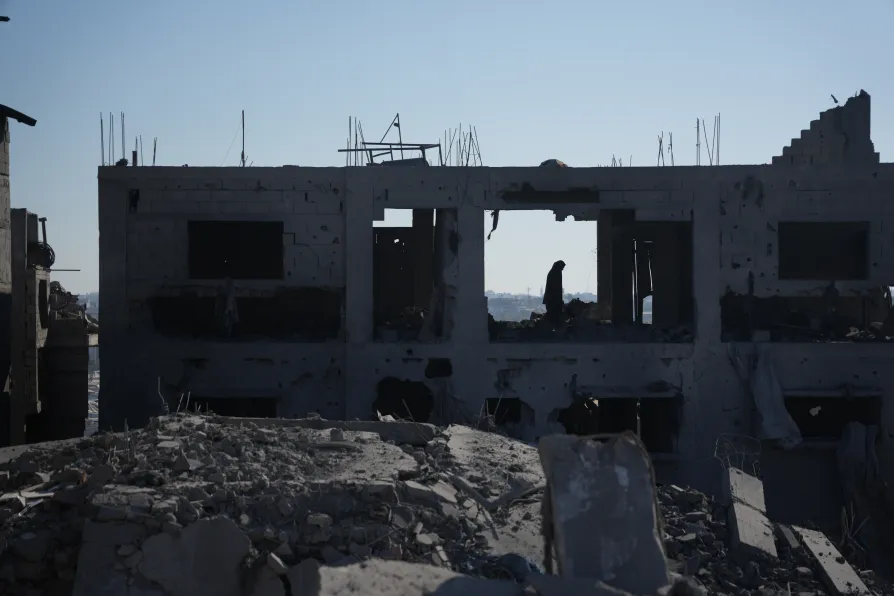

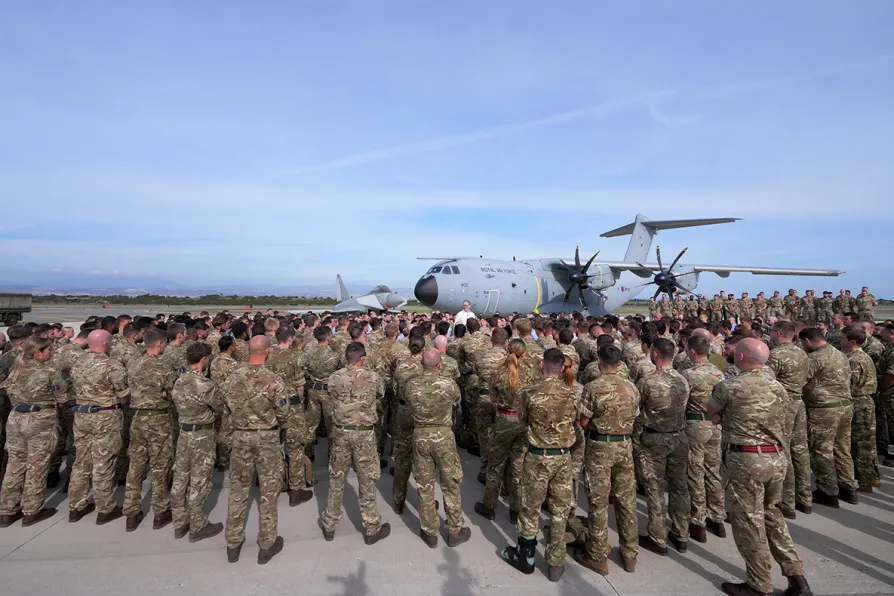
COLL McCAIL assesses the revelation that Britain is now outsourcing its surveillance flights over Palestine to US mercenaries