The social base of the old Tory Party has disappeared as surely as that of Labour, argues ANDREW MURRAY – today’s right are the debased offspring of a capitalism that speculates without investing and profits without producing


 Latest editorial
Nato’s Ankara summit: setting a course for war with Russia
SEVIM DAGDELEN says European Nato states are escalating ever closer to direct conflict with a nuclear power, and sacrificing welfare states built up over a century to finance it
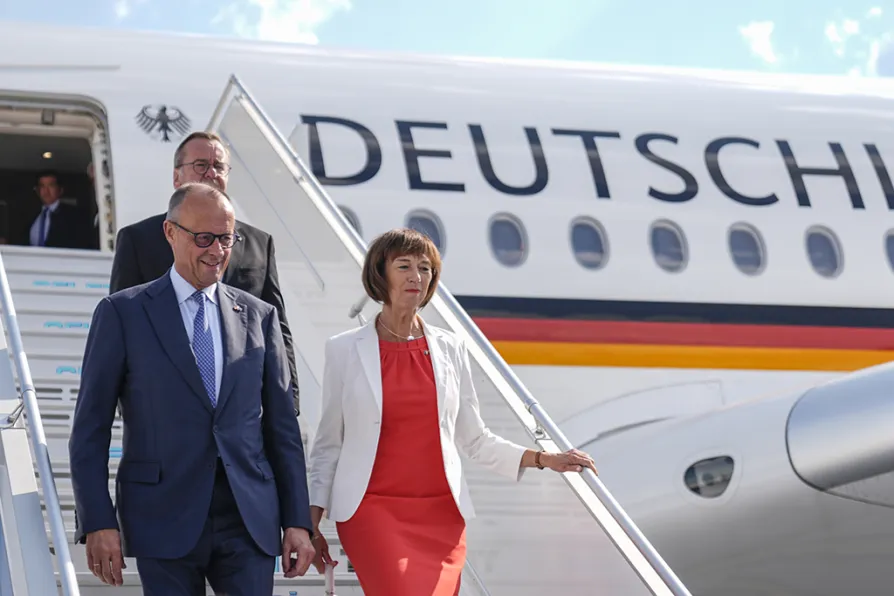 German Chancellor Friedrich Merz arrives for the Nato summit in Ankara with wife Charlotte

KENNY MacASKILL says the lines between party, government and Civil Service in Scotland have been blurred and we need a thorough investigation into how
IAN SINCLAIR examines the curious memory lapses across liberal media when it comes to British government crimes
STEPHEN ARNELL looks at some of the notorious political corruption cases from British history
ENRIQUE SANTIAGO ROMERO says the Colombian far-right’s election victory is deeply suspect — and the United States has its fingerprints all over it
History suggests apartheid ends not through appeals to conscience alone but through sustained economic and political pressure, says HUGH LANNING
ARTHUR WEST surveys the achievements of the Scottish campaign against South African apartheid and how we can draw on them to fight a rising far right


THE Nato summit in Ankara is likely to go down in history. The military alliance has already prepared three fundamental decisions:
First: Nato is on the verge of direct entry into the war against Russia. What began as a proxy war in Ukraine is now to be expanded. Kiev’s conduct of the war and the financing of the war rely almost entirely on Nato resources — including in Ukraine’s attacks deep into the Russian hinterland.
The plan is for each Nato member state to transfer €70 billion (£60bn). For 2026 and 2027, this amounts to €140bn, which the European taxpayer is supposed to bear. The US has largely withdrawn from the financing. The Germans have risen to become the largest financier of the corrupt Ukraine at the head of the Europeans.
Fittingly for the entry into the war, the Ukrainian leadership and Nato have launched a tender aimed at the private sector, running until July 20. It concerns an “ideas competition:” private companies are to help attack Russian military airfields deep behind the front. Artificial intelligence is to play a central role in this. No secret is any longer being made of their own war intentions.
Second: In Ankara, a Nato 3.0 is to be created on the initiative of the United States. Nato 3.0 means nothing other than that responsibility for the war in Europe will in future fall primarily on the Europeans, and here especially on the Germans. While the US wants to engage more strongly in west and east Asia — following the de facto capitulation in the war of aggression against Iran, in order to maintain its waning hegemony — the Europeans, under the leadership of Germany, are to take on the nuclear power Russia and thereby risk world war.
If it were not so dangerous, one could laugh at how the revanchists from the centre of society are cheering the opportunity that the US has apparently given them and are dreaming of a capitulation of Russia.
Third: European societies are being pushed onto the path towards an arms and military state. The US is urging the rapid fulfilment of Nato’s 5 per cent target.
For Europe, however, in a stagnating economy this means the highest possible threat to social cohesion. The welfare state, an achievement of 150 years, is increasingly being sacrificed to rearmament.
The European Nato states and EU are acting like a tragicomic copy of the Soviet Union of the 1980s. While industry is withering as a result of a self-inflicted economic war and is perishing due to the lack of affordable energy, the arms corporations in the hands of US investment funds like Blackrock are booming.
In short: at the Ankara Nato Summit, all the wrong decisions of the past threaten to merge as if under a burning glass.
Nato is mobilising all its forces to slow down the rise of the Brics for the US. The US, however, is prepared to throw its European allies under the bus if necessary.
In a strained manner, the German defence minister tries to deny that they are a vassal. Yet the denial sounds hollow — not even he himself seems to believe it.
What is particularly dangerous is the zeal, since it is (once again) against Russia. Boris Pistorius should know exactly that Nato in truth barely resembles its self-image as a defensive or values-based alliance.
One thing must not be forgotten: Nato will soon have to deal with the spirits it has summoned.
In Kiev, Ukrainian President Zelensky is planning a so-called Heroes’ Pantheon in which Nazi collaborators are also to be explicitly honoured. In Poland there is justified concern, but in Germany the government remains silent on this in order not to jeopardise the German-Ukrainian axis.
In this way, the impending Nato war is already unleashing contradictions among the members of the military pact, which the alliance is unlikely to survive in the end, except as a mere shell.
Sevim Dagdelen is the author of the bestseller “Nato- A Reckoning“ and was a member of the German Bundestag from 2005 to 2025.

Similar stories
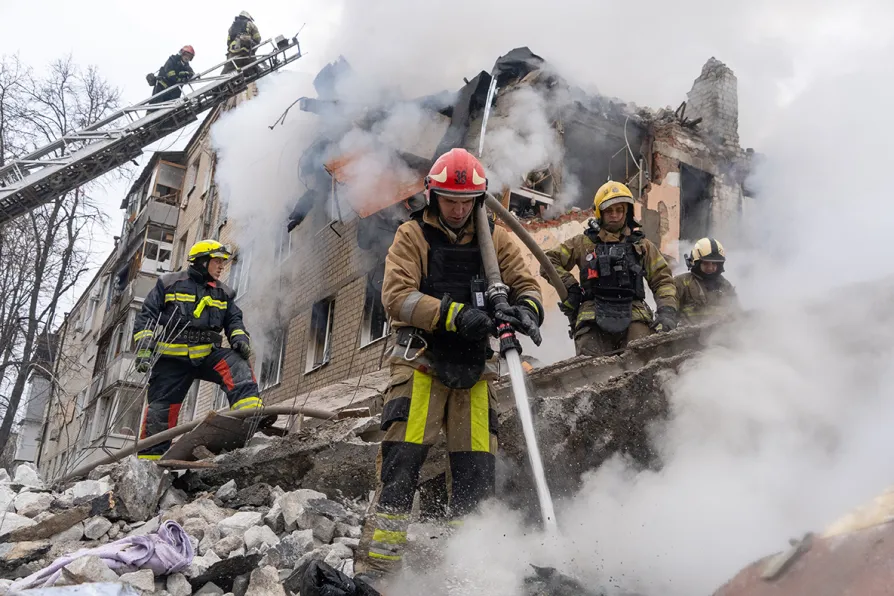
SEVIM DAGDELEN asks why the European Union is targeting the Swiss academic Jacques Baud, cutting off his access to banking services
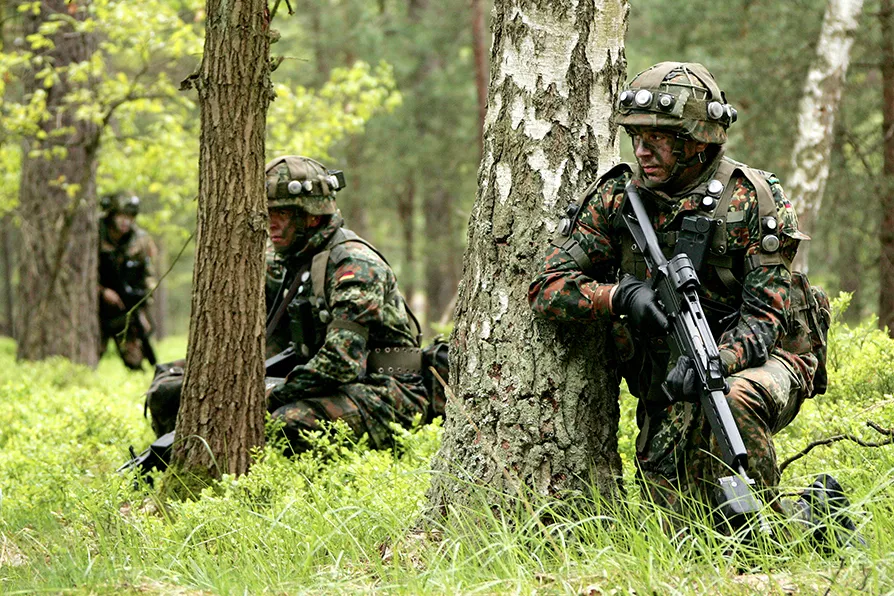
The federal government’s plans to finance the war in Ukraine with Russian assets, and a possible deployment of German troops, put the population in Germany in the highest danger, argues SEVIM DAGDELEN
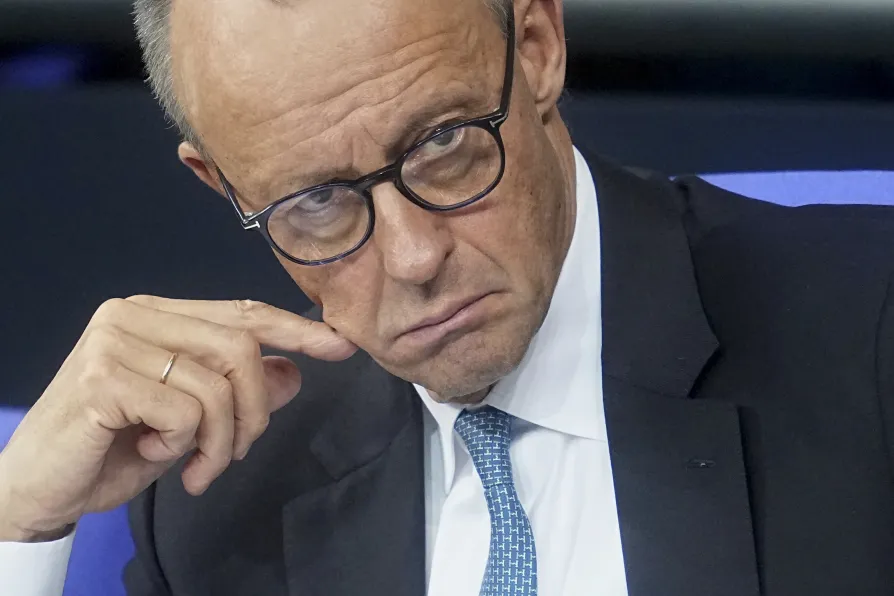
German Chancellor Friedrich Merz is pouring €11.5bn into the Kiev swamp, blocking Trump’s peace plan, and pushing Nato right up to Russia’s borders – no matter if it costs hundreds of thousands of lives, warns SEVIM DAGDELEN
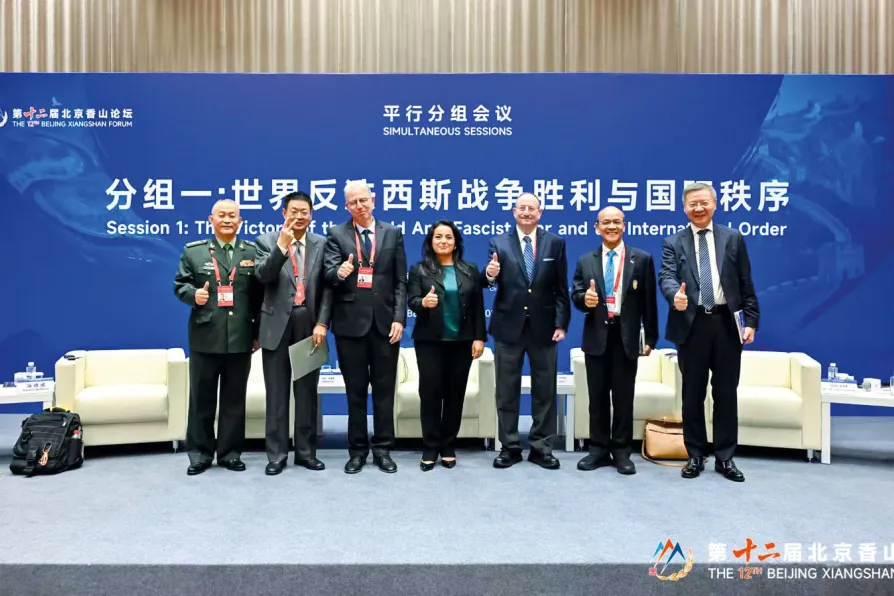
In a speech to the 12th Xiangshan Forum in Beijing, SEVIM DAGDELEN warns of a growing historical revisionism to whitewash Germany and Japan’s role in WWII as part of a return to a cold war strategy from the West — but multipolarity will win out