

 Latest editorial
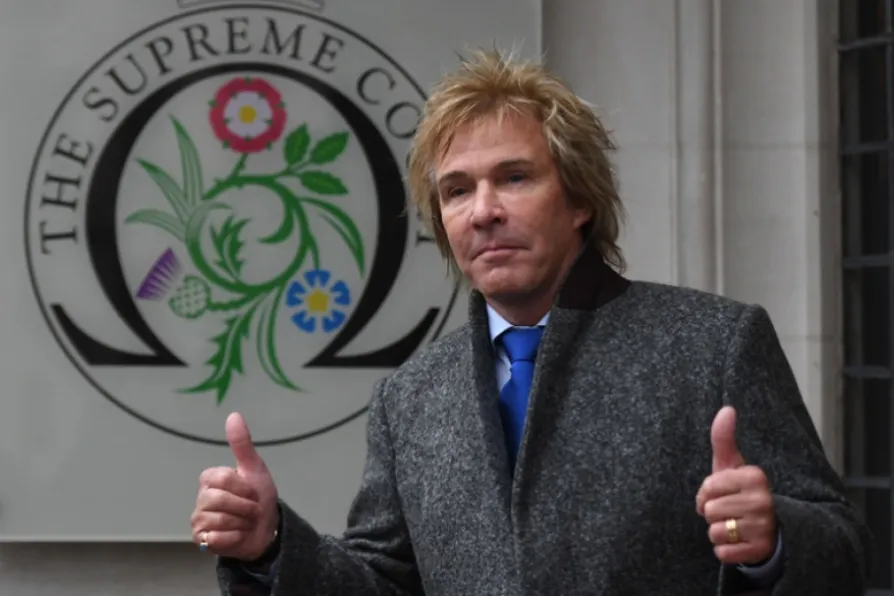 Pimlico Plumbers' boss and Tory donor Charlie Mullins gives a double thumbs up



A LANDMARK case likely to have “huge ramifications” for the gig economy began at the Supreme Court today.
Gary Smith, a plumber who worked for Pimlico Plumbers for five years until 2011, brought a claim to be recognised as having been a worker by the company rather than as a contractor.
He claimed that, after a heart attack, his request to work three days a week was rejected and he was dismissed.

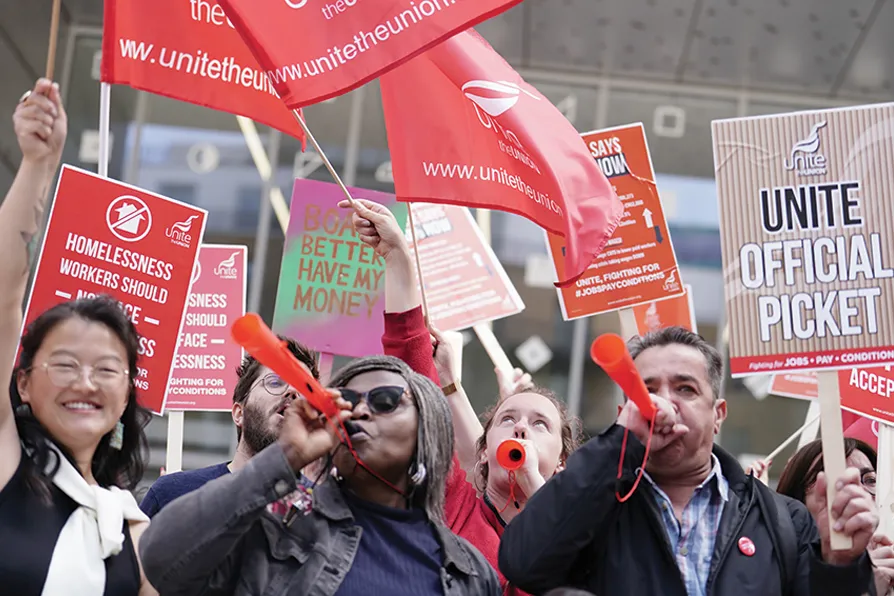
The unions are unhappy with the Employment Rights Act 2025 and with good reason. KEITH EWING and Lord JOHN HENDY KC take a close look at why the Bill promised more than it delivered

The biggest strike in global history is a template for our future. The silence tells you all you need to know, writes CLAUDIA WEBBE


It is only trade union power at work that will materially improve the lot of working people as a class but without sector-wide collective bargaining and a right to take sympathetic strike action, we are hamstrung in the fight to tilt back the balance of power, argues ADRIAN WEIR