The Tories introduced the 50% strike ballot threshold to make industrial action harder. MATT WRACK argues that a Labour government has no justification for leaving it on the statute book


 Latest editorial
Sprightly Tchicai rooted in the jazz sounds of civil rights
Chris Searle on Jazz

In the wake of Ann Widdecombe’s murder, JOHN GREEN wonders whether the government will really get to grips with the root cause of these attacks on our MPs
The new PM’s opening addresses offered hope, council homes and reform — but little detail on how any of it will be delivered, warns CLAUDIA WEBBE
Despite the screeching from the right-wing media, Burnham’s speech chimed with the public mood - and socialists should take advantage, says Morning Star editor BEN CHACKO
Scotland's Labour leader cannot continue to evade responsibility for the party's decline, argues LAUREN HARPER
Nature as well as society works dialectically, asserts the Marx Memorial Library and Workers’ School


John Tchicai — Archie Shepp Quartet
Rufus (Cool music 2044772)
The New York Art Quartet
Mohawk (Cool Music 2044774)
RUFUS (Swung, his face to the wind, then his neck snapped) is an Archie Shepp tune which grew from the very gut of the US civil rights movement. Originally recorded on this album in 1963, its context of racist terror and lynching has never gone away. Remember the nine black citizens of Charleston, South Carolina, gunned down in June 2015 at a church prayer meeting, not by white-hooded murderers of the Ku Klux Klan, but by a young white man who wore adoring emblems of the Confederacy, racist South Africa and Ian Smith’s Rhodesia? How much has changed, and how much has not changed.
So the reappearance of this long-unavailable album is terrifyingly apt. Its co-leaders are Shepp and the Danish-Congolese tenor Saxophonist John Tchicai (pictured), who formed two of the horns (with Don Cherry on pocket trumpet) of the New York Contempory Five, and both were to re-record Rufus on the much better-known Impulse! album Four for Trane in August 1964. With them on the 1963 session are drummer J C Moses and the bassist Don Moore.

Similar stories
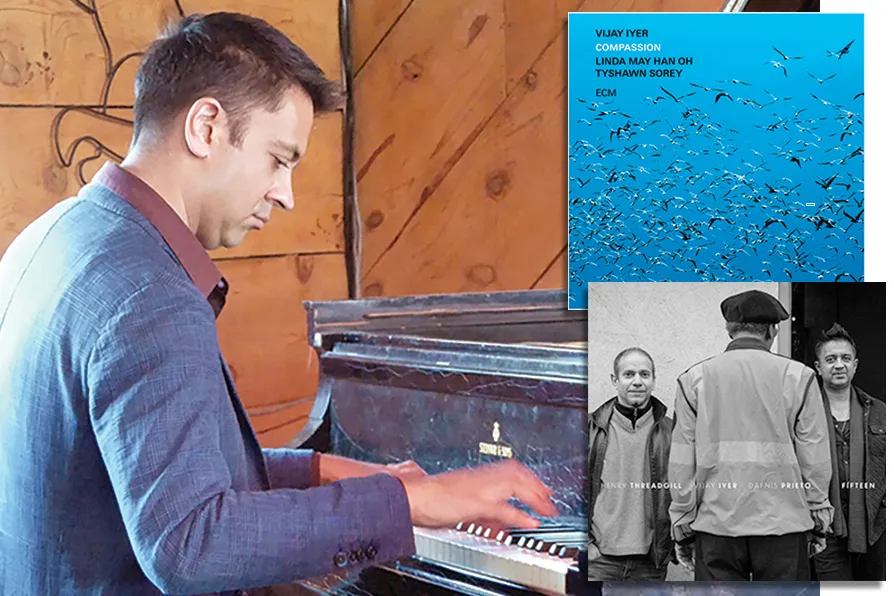
CHRIS SEARLE urges you to listen to two new albums by the US Indian pianist VIJAY IYER
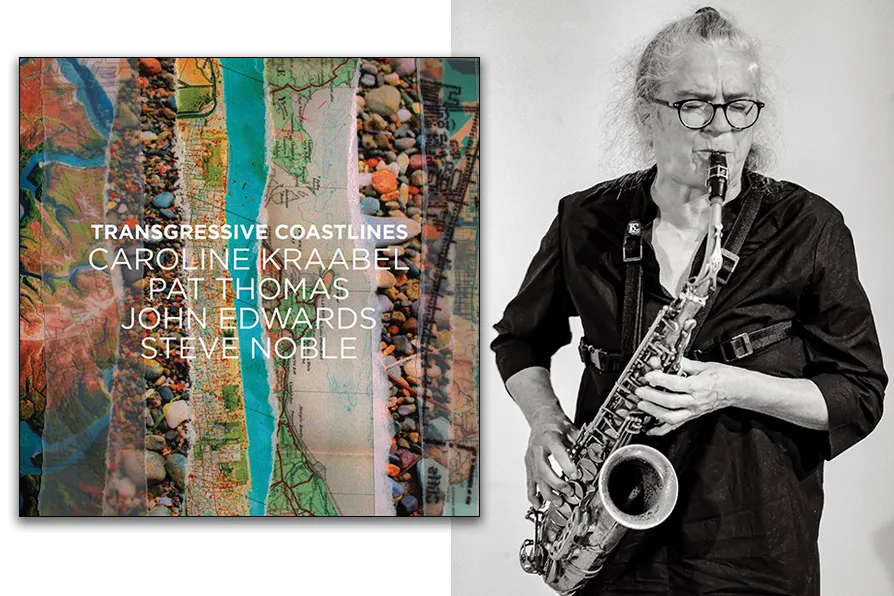
CHRIS SEARLE speaks to US saxophonist CAROLINE KRAABEL
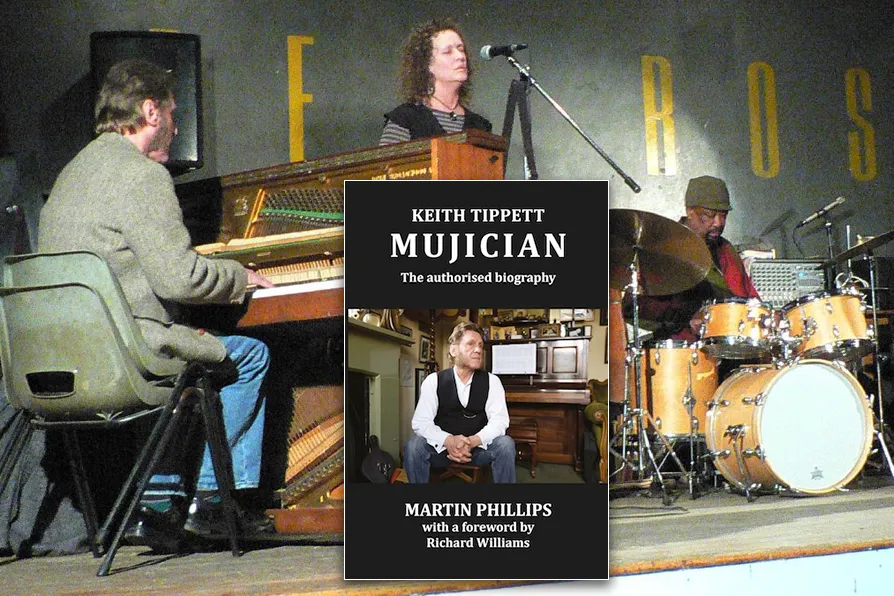
CHRIS SEARLE recommends a work of love and deep admiration for a great musician
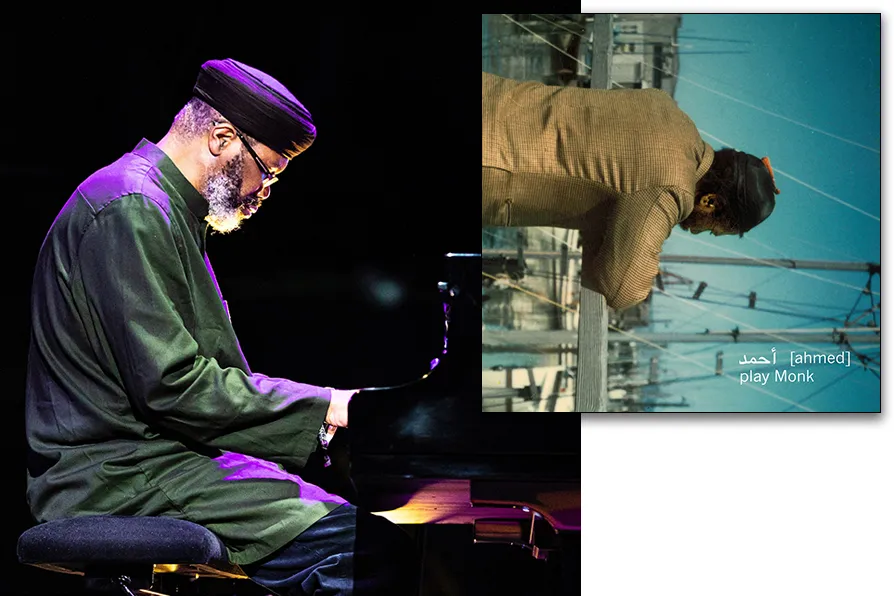
CHRIS SEARLE recommends a new album featuring Pat Thomas and Ahmed, and marvels at the tempestuous power of a live performance