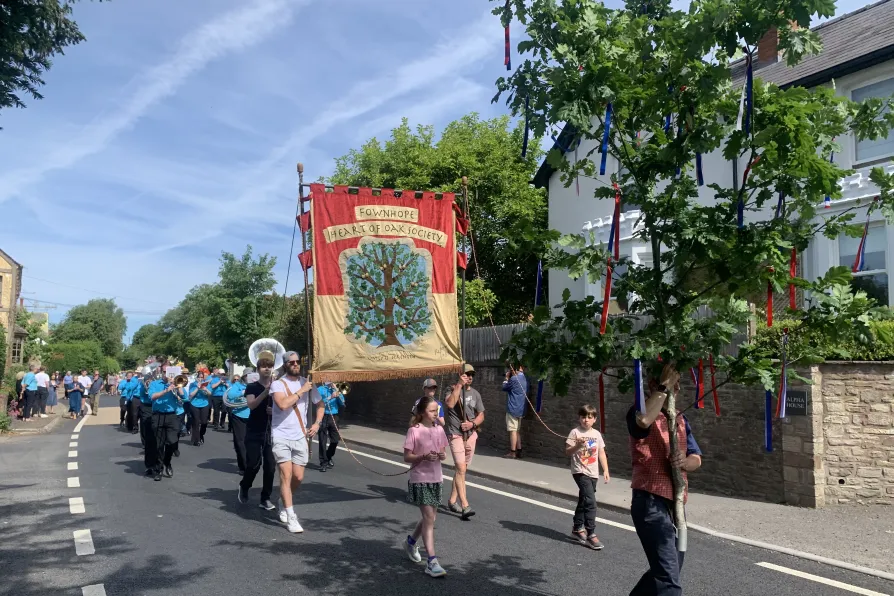
Fownhope’s Heart of Oak Society traces its roots to the age of friendly societies, when communities provided their own safety net. Its anniversary celebrations reveal a tradition still very much alive, says MARK SEDDON


 Latest editorial
Turkey: EU leaders silent on AKP’s crushing of democracy
Turkey’s so-called state of emergency has given Erdogan the opportunity to increase his party’s power, writes CEM SIMSEK
ANGUS REID explains the significance of Cuba’s egalitarian in letter and spirit Family Code and the pertinent lessons it holds for democracies anywhere in the world
Special report by PEOPLE’S WORLD
NICK WRIGHT considers how the isolation of Israel and a new film on the controversial Italian communist leader are creating new reference points for Italy’s left
CARLOS MARTINEZ says Cuba’s achievements in the face of a criminal blockade are startling, but the island’s future if the United States succeeds in crushing it looks bleak
AMNON BROWNFIELD STEIN reports that far-right MPs who mobbed the event organised by Hadash may have helped raise awareness of the brutality of the Israeli right


HAYATIN SESI, a Turkish nationwide TV station, was established nine years ago as the “voice of millions not millionaires” but is now being targeted in the Turkish government’s “anti-coup” witch-hunt alongside 22 other television and radio stations.
Following the declaration of a state of emergency on July 20, parliament has been suspended and the government has been equipped with wide-ranging powers. In the immediate aftermath, under the pretext of the operations against supporters of the Fethullah Gulen terror organisation, all opposition groups were labelled as linked to terror and became the focus of the purge.
The closure of our channel, which is the voice of workers, was an important part of this purge. Before the state of emergency came to an end the ruling AKP party was able to reach an important point in its ambitions — not least with regards the dismissal of over 10,000 members of militant teachers union Egitim-sen, the suspension of academics calling for peace and of course the detention of opposition journalists.

Similar stories
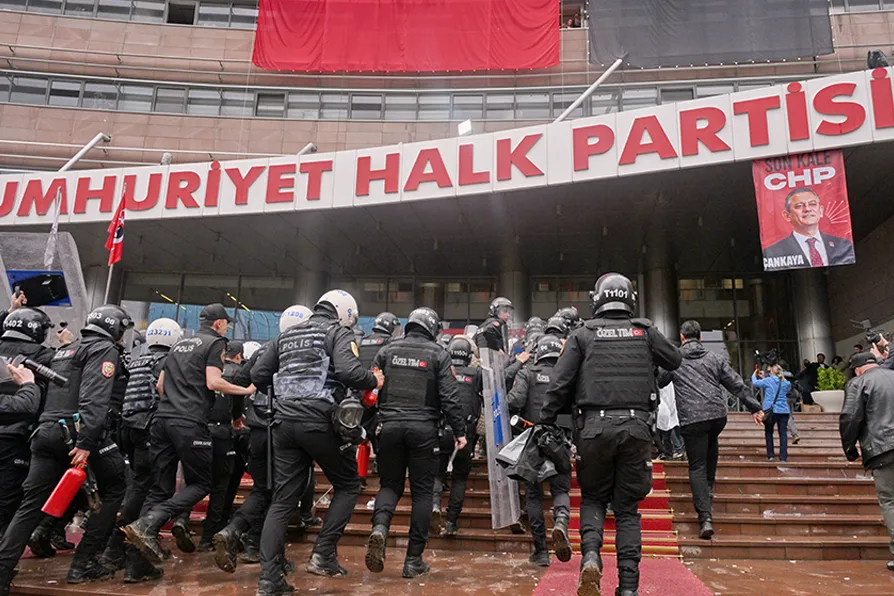
CLAUDIA WEBBE looks at how Britain’s Nato ally has upped the stakes in its effort to silence domestic dissenting voices
Mass strikes over cost-of-living protections have escalated into a broader confrontation over democracy, after the government moved to impose a pay freeze by decree, writes KIVANC ELIACIK
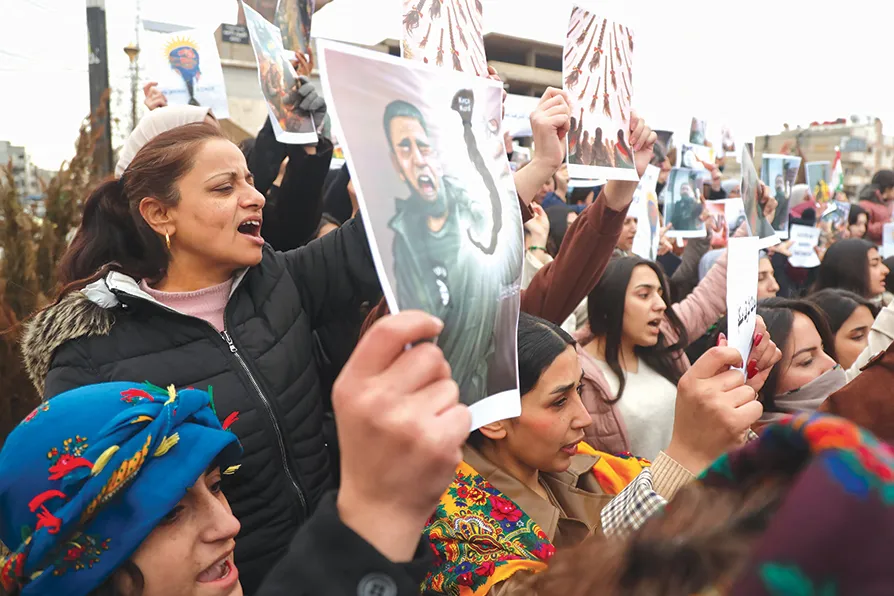
VIJAY PRASHAD details how US support for Syrian President Ahmad al-Sharaa allowed him to break the resistance of the autonomous Syrian Democratic Forces (SDF)
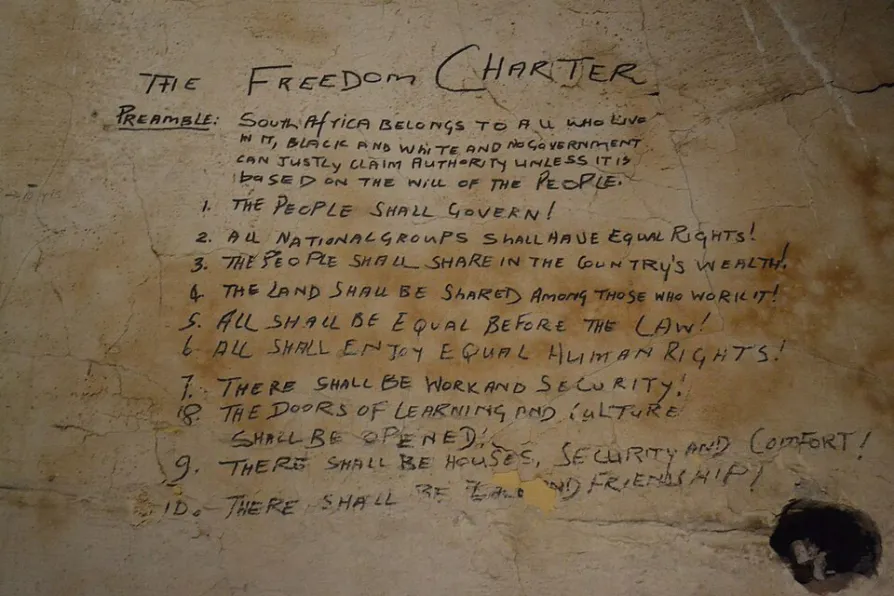
The charter emerged from a profoundly democratic process where people across South Africa answered ‘What kind of country do we want?’ — but imperial backlash and neoliberal compromise deferred its deepest transformations, argues RONNIE KASRILS