The Tories introduced the 50% strike ballot threshold to make industrial action harder. MATT WRACK argues that a Labour government has no justification for leaving it on the statute book


 Latest editorial
The 1914 Christmas truce was a blow against war
TONY COLLINS explains the deliberately obscured reality of what happened when soldiers on the Western Front famously fraternised in a spirit of unity amid horror of the Great War
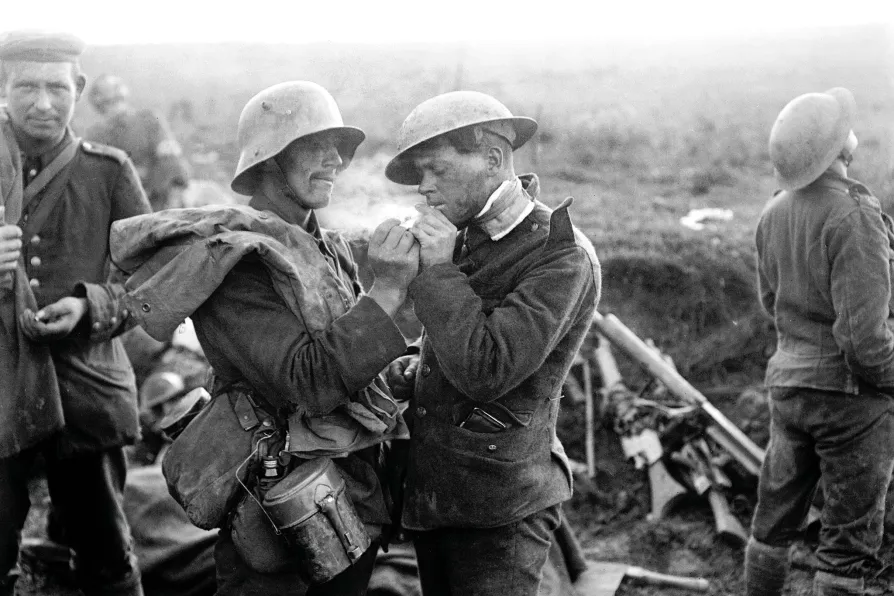 DEFIANCE: A World War I German infantryman lights a cigarette for a British soldier during the Christmas truce on the Western Front, 1914
[bswise/Creative Commmons]
DEFIANCE: A World War I German infantryman lights a cigarette for a British soldier during the Christmas truce on the Western Front, 1914
[bswise/Creative Commmons]
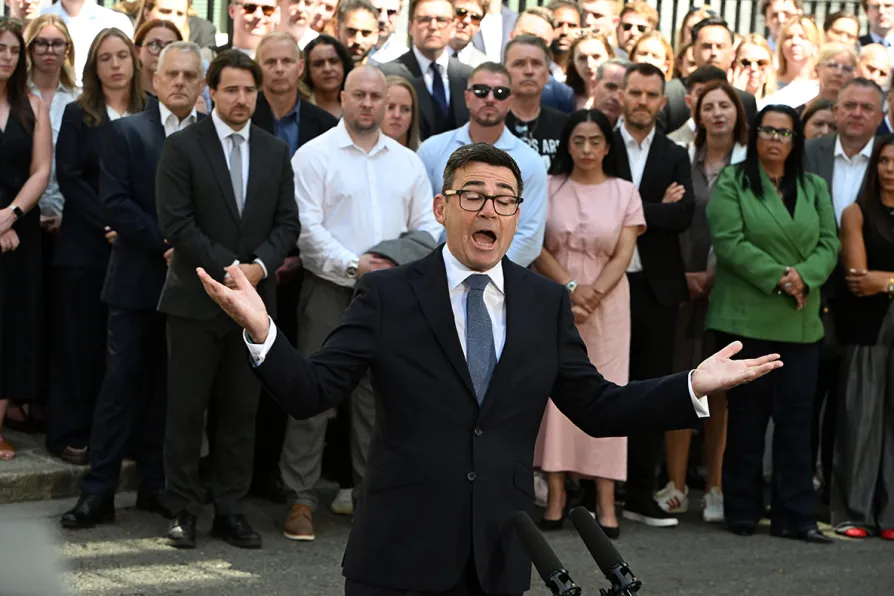
In the wake of Ann Widdecombe’s murder, JOHN GREEN wonders whether the government will really get to grips with the root cause of these attacks on our MPs
The new PM’s opening addresses offered hope, council homes and reform — but little detail on how any of it will be delivered, warns CLAUDIA WEBBE
Despite the screeching from the right-wing media, Burnham’s speech chimed with the public mood - and socialists should take advantage, says Morning Star editor BEN CHACKO
Scotland's Labour leader cannot continue to evade responsibility for the party's decline, argues LAUREN HARPER
Nature as well as society works dialectically, asserts the Marx Memorial Library and Workers’ School


ON December 25 1914, British and German troops on the Western Front stopped firing at each other, put down their guns, climbed out of their trenches and met in no-man’s land. The bloody slaughter of World War I had been halted.
Thousands of men ignored the patriotic propaganda of their governments, shook hands, and embraced in friendship. They shared food and drink, showed each other photos of their families back home, and even played impromptu football matches together. “It is wicked that we should be shooting each other,” said William Eve, a rifleman in the Queen’s Westminsters regiment.
He wasn’t the only one who felt that way. The fraternisation between British and German troops was hailed by Lenin, then exiled in Switzerland, as a practical example of how to fight the imperialist war.

Similar stories
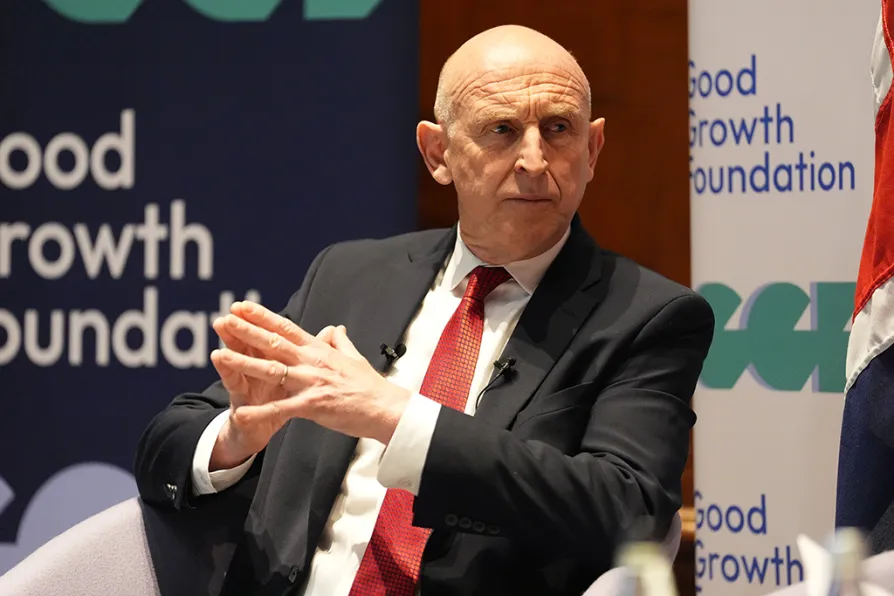
The defence secretary’s resignation reveals not a split over principle but a dispute over pace of military spending, as Britain’s political Establishment unites behind deeper Nato commitments, argues NICK WRIGHT
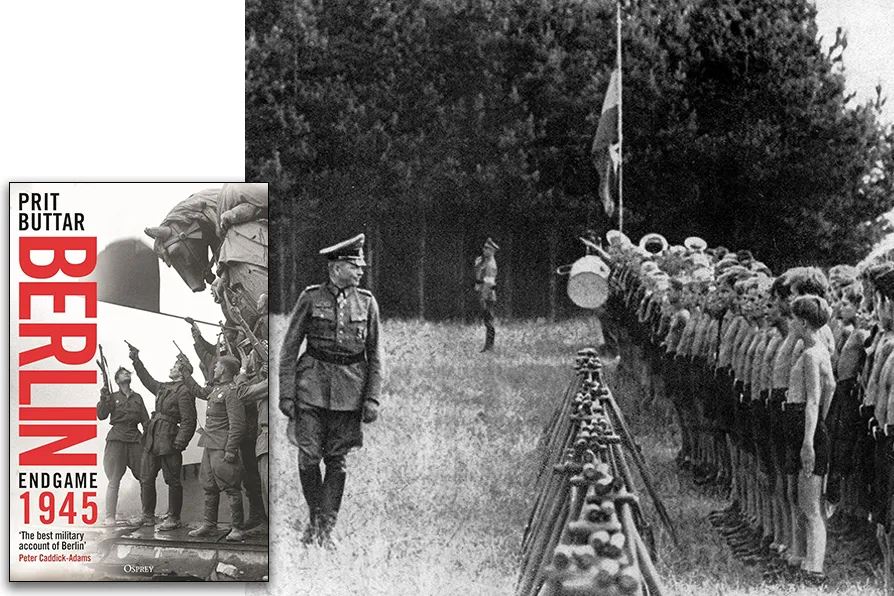
WILL PODMORE admires an account of the liberation of Berlin that overthrows the conventional US army-inspired account
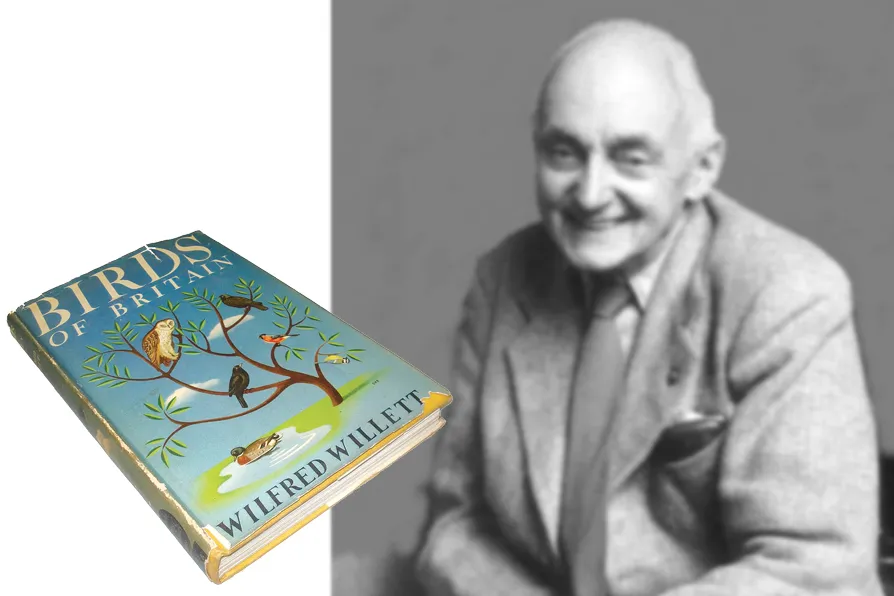
A WWI hero, renowned ornithologist, medical doctor, trade union organiser and founder member of the Communist Party of Great Britain all rolled in one. MAT COWARD tells the story of a life so improbable it was once dismissed as fiction