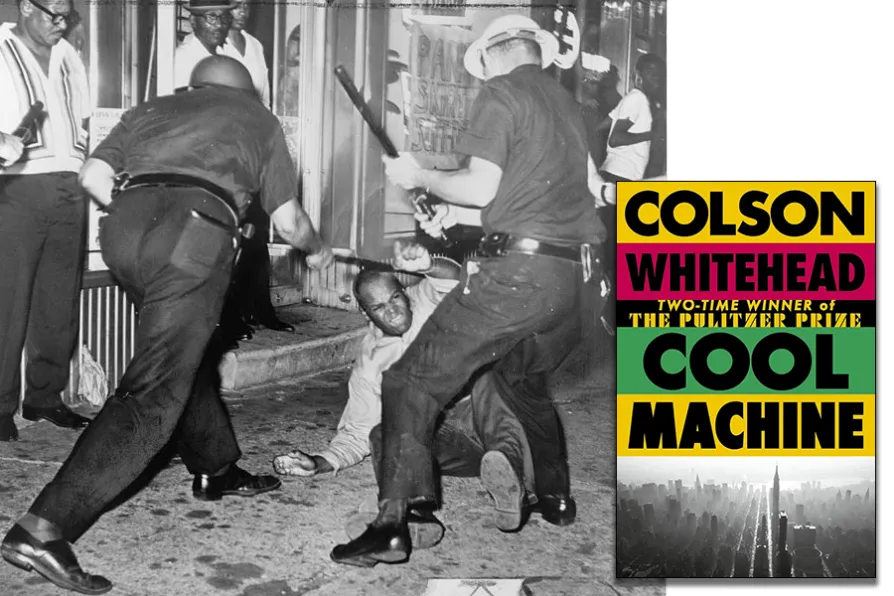
DOUGLAS FIELD relishes the hard-boiled language, satire and humour of the third and last of the Harlem trilogy


 Latest editorial
Holloway letters
by Emma Must
STEPHANIE BROWN draws attention to the hidden labour of the female embroiderers, and how a 19th century replica made no such error
MIK SABIERS revels in a band that ploughs an idiosyncratic furrow of expletive laden, guitar-driven alt rock
ANDY HEDGECOCK, MARIA DUARTE and ANGUS REID review Synthetic Sincerity, Our Hero, Balthazar, Heartstopper Forever, and A Year In London
The bard invites readers to a gig, raps for Clacton, and lays out the Burnham-Hurzeler conundrum
RON JACOBS recommends an important book that enhances the oppositional theories put forth by Fanon and, in doing so, remakes psychology itself


What She Was In For
You learn not to ask ‘What are you in for?’
but what she was in for was parking on the road
outside her house to get her kids inside
before she’d find a space to leave the car.
And what she was in for was passport fraud:
she’d made it here over several seas,
her dignity locked in a single plait.
And what she was in for was possession.
And what she was in for was being poor,
unable to pay for her TV licence.
And what she was in for was her son,
doing time for his non-payment of a fine.
She’ll tell you soon enough, in passing.
It’s the one thing you should never ask.
Bird
It’s the one thing you should never ask,
besides ‘Please could you turn your radio off?’
It’s on 3pm to midnight without a break,
and LOUD. I try asking her to turn it down.
It’s not turned up, she says, she’s doing
a long sentence and it’s the only thing
that is keeping her sane. It’s driving
me mad, I say, and I can’t get out.
If I’d known back then about St Kevin,
I might have had a go at sticking my arm
out the window, turned my palm to heaven,
and waited till a blackbird chanced to nest.
It’s not that the pain would have brought me rest,
but that we hold small hopes in our own hands.
Emma Must is a poet living in Belfast who was imprisoned in Holloway prison in the summer of 1993 for breaking an injunction which attempted to stop campaigners walking on Twyford Down. She wrote 13 sonnets for the 13 days they were there: above are two of them, the whole set are titled Holloway Letters (The Martyr’s Crown).

Similar stories

The bard invites readers to a gig, raps for Clacton, and lays out the Burnham-Hurzeler conundrum
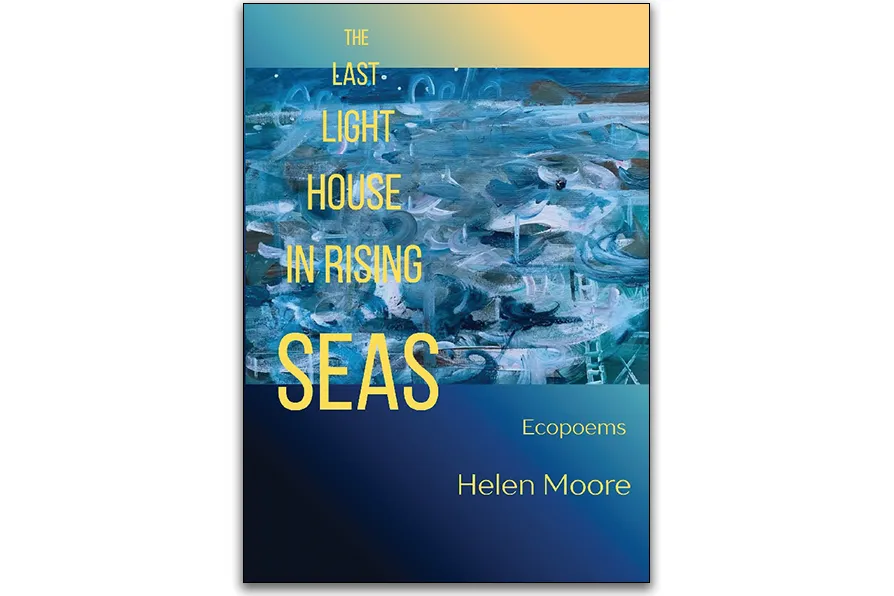
ALAN MORRISON welcomes a new collection from the most imaginative and committed ecopoet of our time
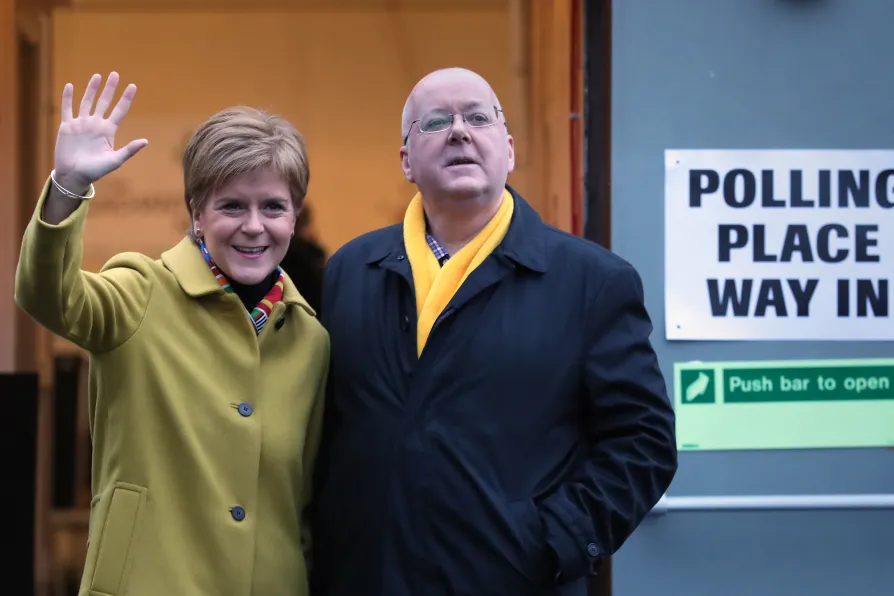
KENNY MacASKILL looks at the depth of the corruption tolerated within the Scottish National Party and the efforts to keep it from public scrutiny
by Christopher Norris