New releases from Laura Veirs, The Waterboys, and Yard Act


 Latest editorial
Ancient Egyptian medicine in Swansea primary schools
CHRISTIAN KNOBLAUCH is thrilled by the response of children to the presence of artefacts from the British Museum in their classrooms
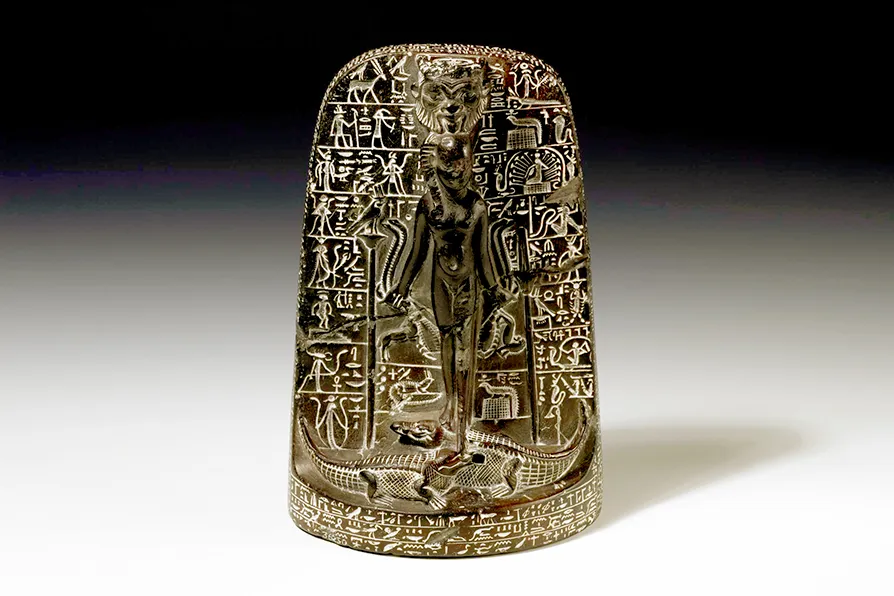 MYSTERIOUS POWERS: A “Cippus”, late Ptolomeic period, 116 BC to 30 BC. Known as "magic cippi," these depict the child god Horus overcoming dangerous animals. They possessed healing and protective powers [Pic: © The Trustees of the British Museum]

Ron's rages are sincere and — according to his wife — healthily cathartic. But can these splenetic outbursts loosen the grip of capitalism at its most monstrous?
ANGUS REID considers the power of the podcast as a vehicle for consensus building in opposition to mainstream media narratives
GLENN FOSBRAEY recommends a biography worth reading for both existing George Michael fans and those yet to be converted
FRANCIS DEVINE introduces a new collection of essays that draws on Pease McKenna’s example to indicate future paths for the movement
KEVIN DONNELLY and MARIA DUARTE review Shoot the People, The Last One For The Road, Rosebush Pruning, and Moana
JAMES WALSH recommends an exceptional documentary about the experience of Western doctors in Gaza


THE exhibition Ancient Egypt: Magic and Medicine in the Swansea University Egypt Centre is unusual as there are just two ancient objects on display. One is a limestone fragment that was used like scrap paper to write or draw on. On this fragment, a man has written asking a magician to send goose fat to heal his eyes. Remarkably, a follow-up letter from the same man also survives. It requests more fat because his cat had eaten the last lot.
The other object is a magnificent statuette covered with spells in hieroglyphs and images of Egyptian gods. The statue shows the child form of Horus (the god of sky, war, and divine kingship) standing on a pair of crocodiles while grasping snakes, scorpions, a lion and an ibex.
The statuette encapsulates much of what makes Egypt so fascinating to people of all ages. On the one hand, anyone can identify the animals. On the other hand, the constellation of images is utterly alien and invites speculation.
In this case, the object is a “Cippus” — a medical-magical object used by Egyptians to protect themselves from the dangerous animals that lived in the Nile valley and surrounding deserts. It healed by drawing on the magical power of the myth of Horus, according to which he was left as a child to fend for himself in the wilderness of the Nile delta.
These two objects connect us with the Egyptians. They too had badly behaved pets, and feared being bitten and eaten alive. But their culture and society were very different from our own.
The statue is on loan as part of the British Museum in Your Classroom programme, where the institution partners with a local museum and schools to widen access to its collection. In this case, students from two local Swansea primary schools, St Helen’s and Terrace Road, get to spend the term finding out all about the topic of magic and medicine in ancient Egypt.
To cap off the experience, the Cippus was brought into the schools and introduced by curators and education officers from the British Museum and the Egypt Centre. Because of its value, the statuette couldn’t be handled, but the children could get their hands on other objects from the Swansea collection.
Finally, in a reversal which I will call Your Primary School in the Museum, creative, highly colourful and original projects made by the students during the term were put on display alongside the Cippus in the Egypt Centre. A highlight was a Lego-built pyramid with its own sarcophagus. Seeing students finding their work next to an object from the British Museum at the exhibition opening is something that will stay with me forever. I can’t imagine how they, their families and school communities felt.
The exhibition taps into the power of a teaching approach known as object-based learning. Research suggests that multi-sensory engagement with objects is associated with good mental health, and may help empower new ways of engaging, spike enthusiasm for learning, aid memory retention and help develop skills of observation, analysis and communication. It only takes one glance at the display in the Egypt Centre to see that the children have really enjoyed this type of teaching.
While the main aim is to give children who might not otherwise be able to visit London and the British Museum a chance to see an object from their collection, the project’s biggest impact may be the curiosity, engagement and love of learning it inspires in the classroom. This is where Egypt really comes into its own as a perfect partner.
Its history fascinates like no other subject. As one teacher explained to me, there are just so many points of entry. There are strange gods, myths, gory embalming, famous kings, bright colours and above all gold. Not to mention a pictorial script, monumental architecture and art that is, outwardly at least, accessible.
At a time when museums and the teaching of humanities and ancient history is under pressure at all levels, this is a powerful lesson about their importance to our society — not to produce Egyptologists or ancient historians — but to inspire curiosity and life-long learning.
It is only a shame that every child in Britain can’t have the same transformative experience, but there are hundreds of thousands of Egyptian objects from British excavations in Egypt (1880 to 1980) in local collections in every corner of Britain.
Local museums already do an enormous amount of work in outreach. But surely, projects like this one, delivered so successfully by the British Museum and the Egypt Centre, should be emulated and supported more widely.
Runs until September 20. For more information see: swansea.ac.uk.
Christian Knoblauch is senior lecturer in Egyptology, Swansea University.
This article is republished from TheConversation.com under a Creative Commons licence.


Similar stories
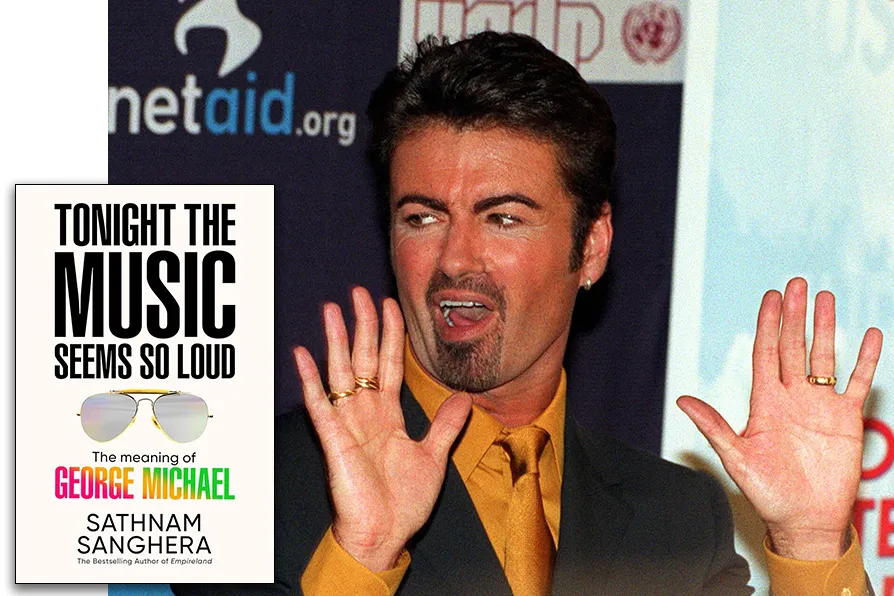
GLENN FOSBRAEY recommends a biography worth reading for both existing George Michael fans and those yet to be converted
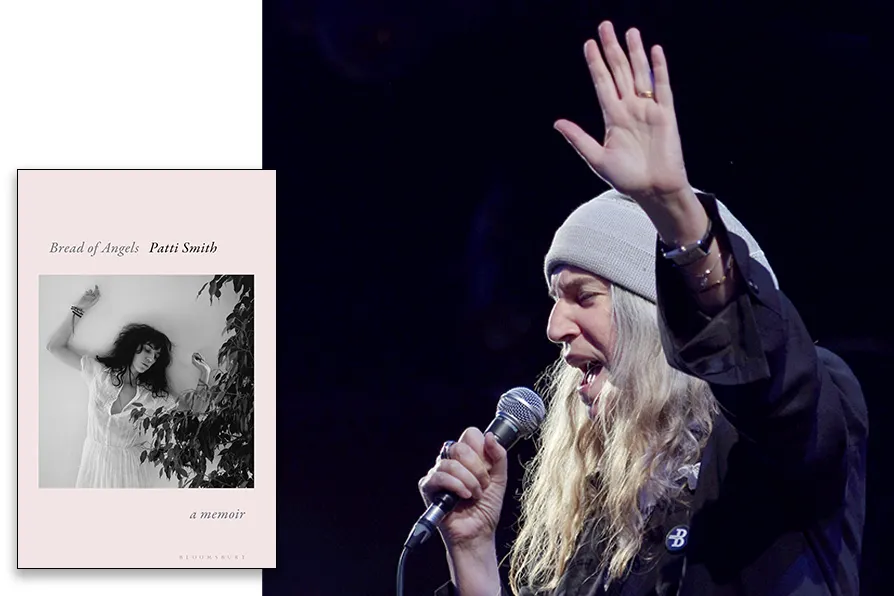
JULIA TOPPIN recommends Patti Smith’s eloquent memoir that wrestles with the beauty and sorrow of a lifetime
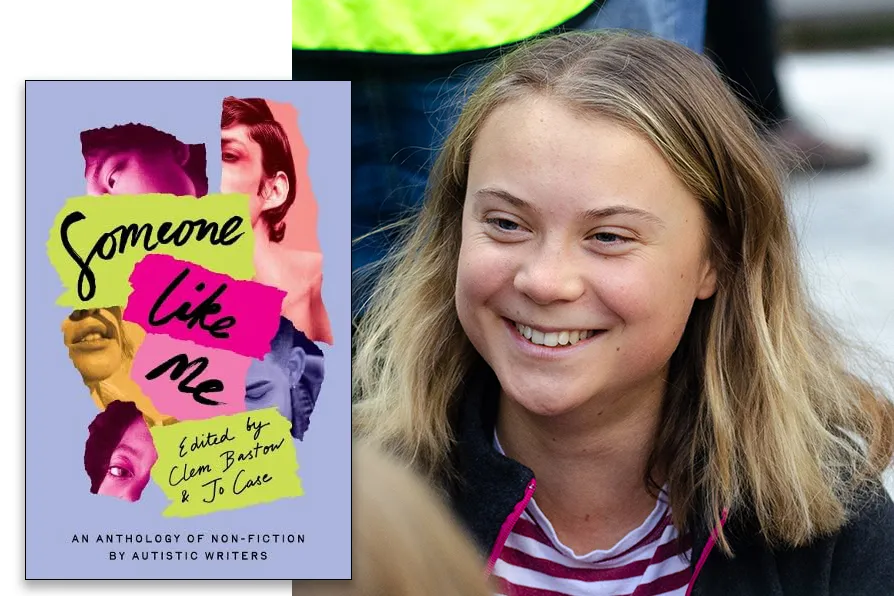
JOSEPHINE BARBARO welcomes a diverse anthology of experiences by autistic women that amounts to a resounding chorus, demanding to be heard
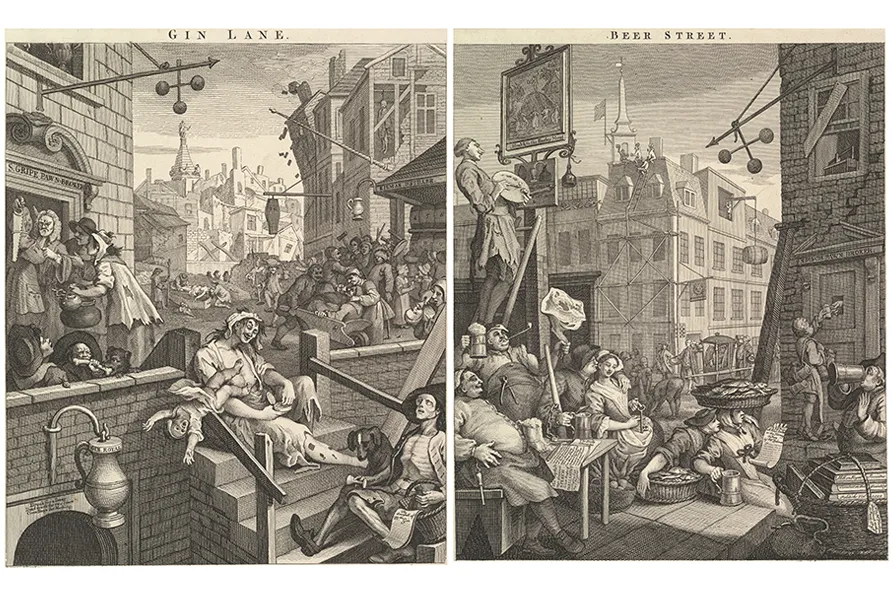
Gin Lane by William Hogarth is a critique of 18th-century London’s growing funeral trade, posits DAN O’BRIEN