Fownhope’s Heart of Oak Society traces its roots to the age of friendly societies, when communities provided their own safety net. Its anniversary celebrations reveal a tradition still very much alive, says MARK SEDDON


 Latest editorial
Biodiversity treaty: UN deal fails to address the root causes of nature’s destruction
Have United Nations Cop meetings become empty institutional hangovers of a lingering status quo that must be abandoned, ask BRAM BUSCHER and ROSALEEN DUFFY
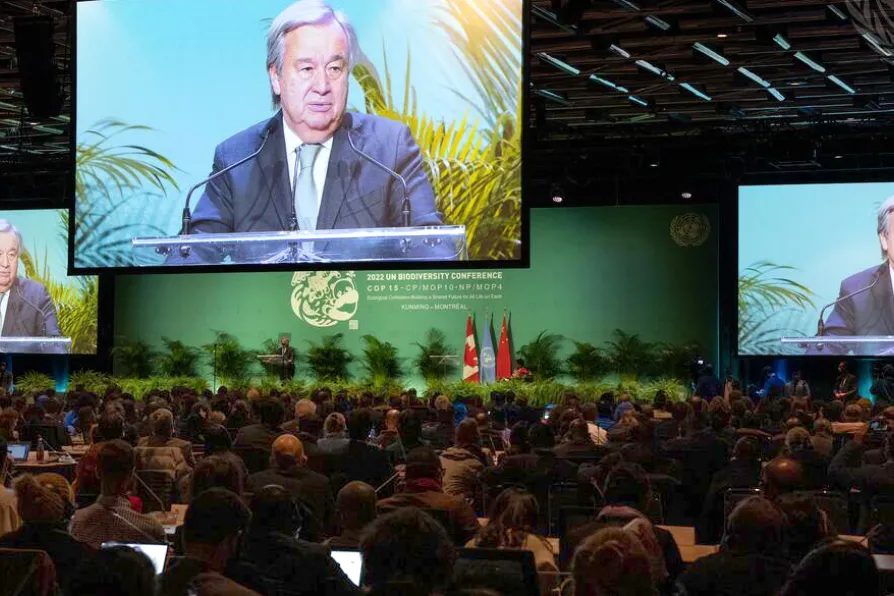 UN Secretary-General Antonio Guterres addresses the 15th meeting of the Conference of Parties to the Convention on Biological Diversity (COP15) in Montreal, Canada.
"We are waging war on nature. This Conference is about the urgent task of making peace,” Guterres said
[UN Photo/Evan Schneider]
UN Secretary-General Antonio Guterres addresses the 15th meeting of the Conference of Parties to the Convention on Biological Diversity (COP15) in Montreal, Canada.
"We are waging war on nature. This Conference is about the urgent task of making peace,” Guterres said
[UN Photo/Evan Schneider]

ANGUS REID explains the significance of Cuba’s egalitarian in letter and spirit Family Code and the pertinent lessons it holds for democracies anywhere in the world
Special report by PEOPLE’S WORLD
NICK WRIGHT considers how the isolation of Israel and a new film on the controversial Italian communist leader are creating new reference points for Italy’s left
CARLOS MARTINEZ says Cuba’s achievements in the face of a criminal blockade are startling, but the island’s future if the United States succeeds in crushing it looks bleak
AMNON BROWNFIELD STEIN reports that far-right MPs who mobbed the event organised by Hadash may have helped raise awareness of the brutality of the Israeli right


A MAJOR biodiversity conference, recently concluded in Montreal, Canada, was billed as the event that will decide the “fate of the entire living world.”
All well then that the meeting closed with what has been hailed as a “historic” breakthrough: a deal to protect 30 per cent of all land and water on Earth by 2030.
How historic is this deal, really? Judging from the effect of protected areas and major environment meetings over the last few decades, we should not get our hopes up. In fact, this deal may force us to reconsider the usefulness of such meetings altogether.

Similar stories
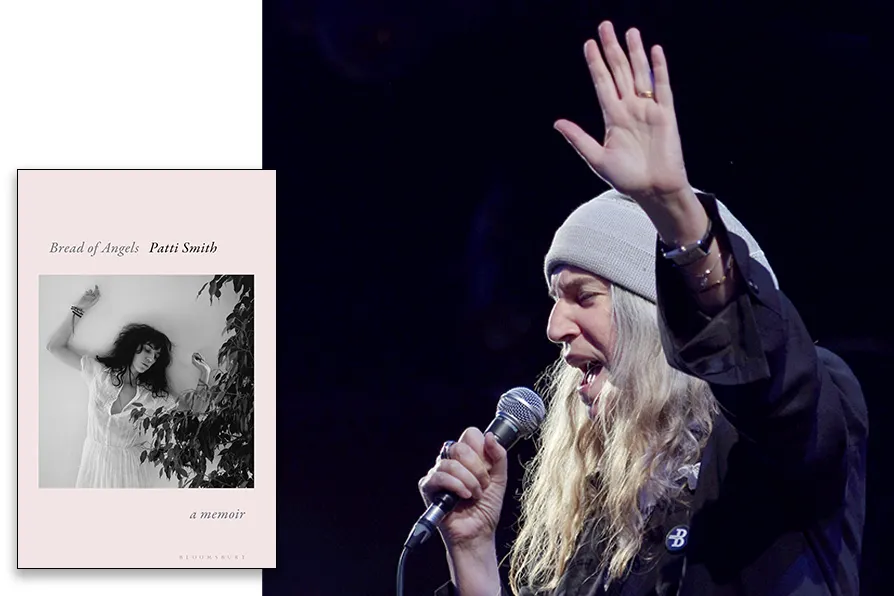
JULIA TOPPIN recommends Patti Smith’s eloquent memoir that wrestles with the beauty and sorrow of a lifetime
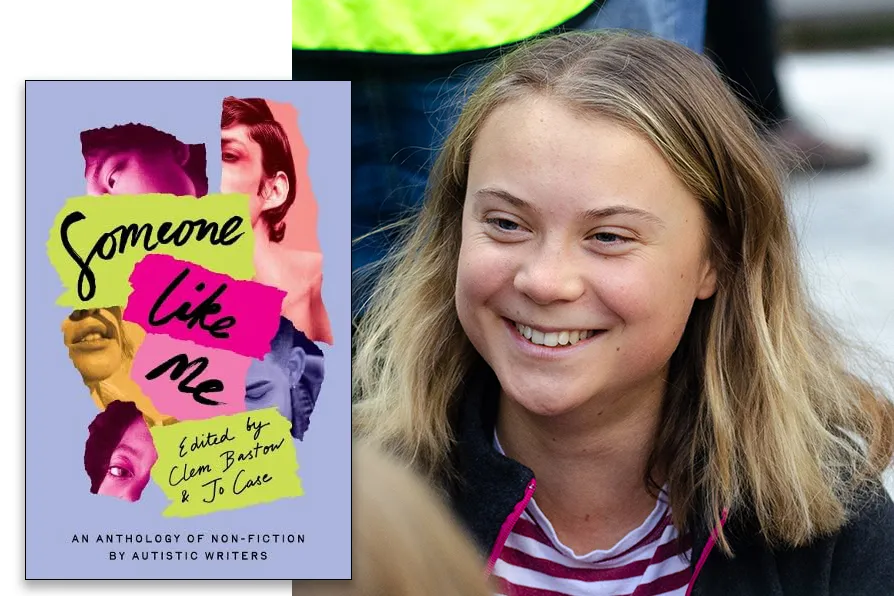
JOSEPHINE BARBARO welcomes a diverse anthology of experiences by autistic women that amounts to a resounding chorus, demanding to be heard
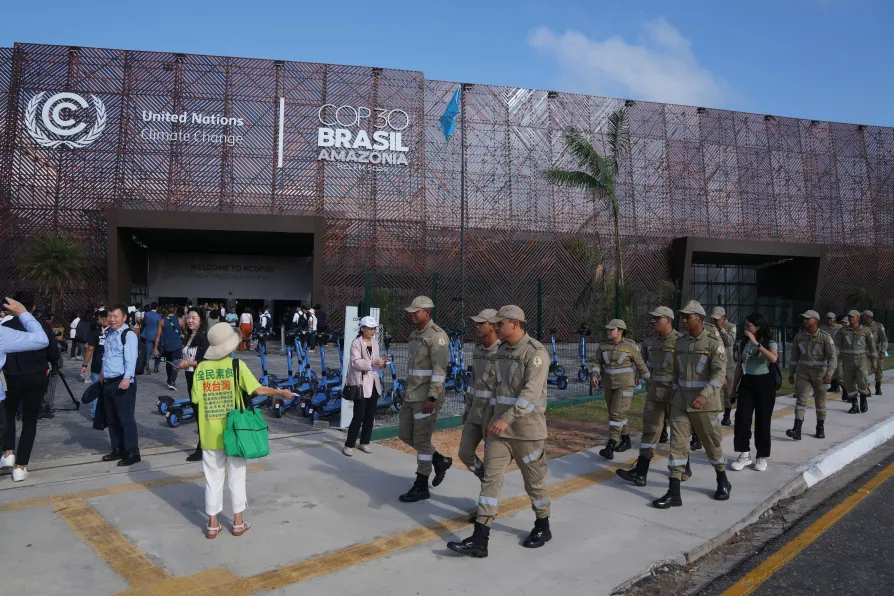
Reaching co-operation is supposed to be the beginning, not the end, of global climate governance, argues LISA VANHALA
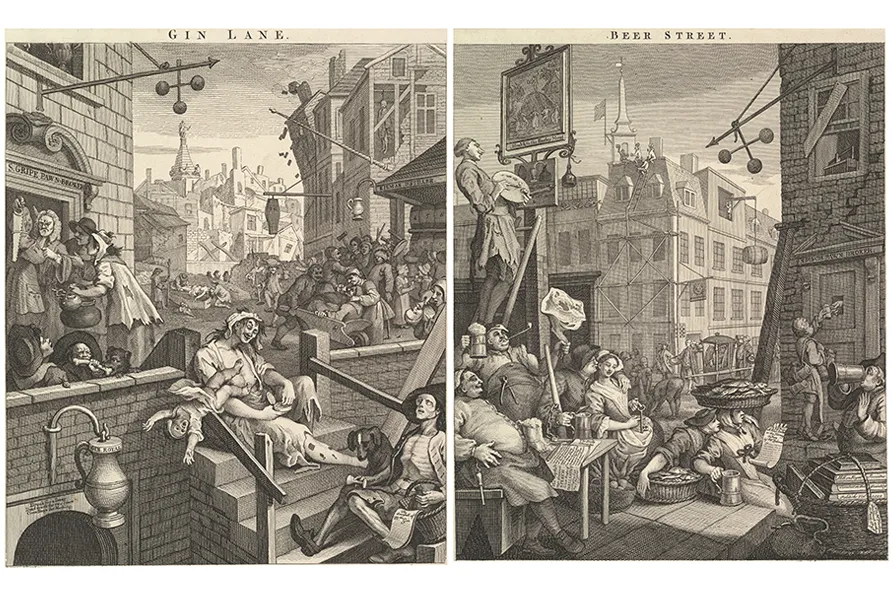
Gin Lane by William Hogarth is a critique of 18th-century London’s growing funeral trade, posits DAN O’BRIEN