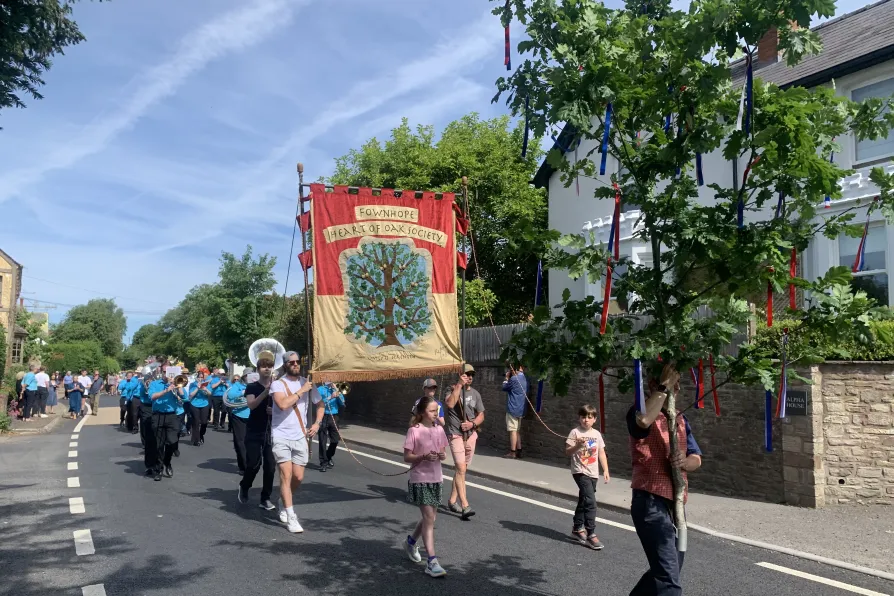
Fownhope’s Heart of Oak Society traces its roots to the age of friendly societies, when communities provided their own safety net. Its anniversary celebrations reveal a tradition still very much alive, says MARK SEDDON


 Latest editorial
A forgotten revolution: the Limerick Soviet, April 1919
As Ireland commemorates the War of Independence, socialists have a duty to celebrate and uphold key examples of labour militancy that have been written out of history by the current Free State establishment and bring them back into public discussion, writes DAVID SWANSON
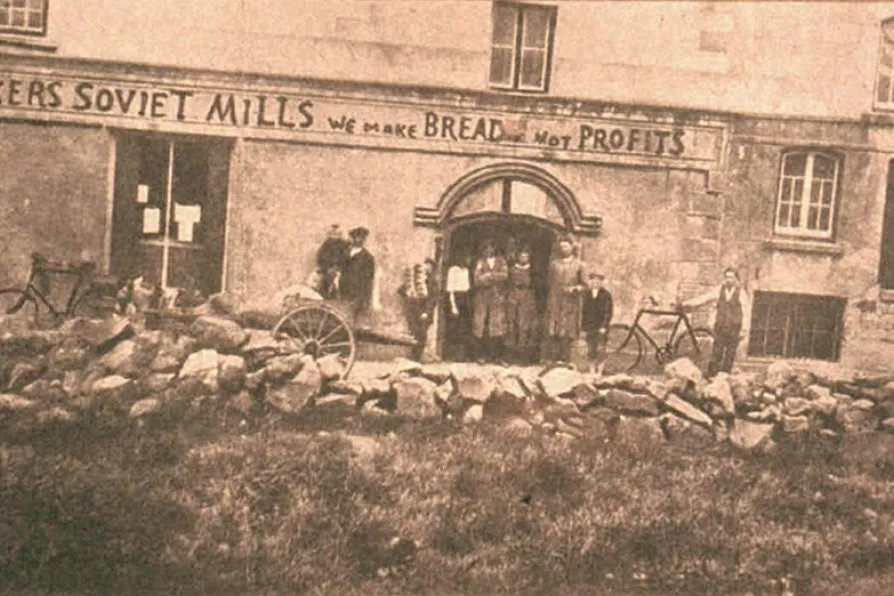 A Soviet mill in Bruree, County Limerick, in August 26 1921
ANGUS REID explains the significance of Cuba’s egalitarian in letter and spirit Family Code and the pertinent lessons it holds for democracies anywhere in the world
Special report by PEOPLE’S WORLD
NICK WRIGHT considers how the isolation of Israel and a new film on the controversial Italian communist leader are creating new reference points for Italy’s left
CARLOS MARTINEZ says Cuba’s achievements in the face of a criminal blockade are startling, but the island’s future if the United States succeeds in crushing it looks bleak
AMNON BROWNFIELD STEIN reports that far-right MPs who mobbed the event organised by Hadash may have helped raise awareness of the brutality of the Israeli right


AS Ireland once again moves to commemorate another anniversary of the 1919-21 War of Independence, we have a collective duty to preserve the memories of both the participants and the significant events that solidified the reawakening of national and anti-imperialist sentiment.
With that comes a responsibility to articulate an accurate depiction of the period that is often overlooked: the activities and aftermath of 1916’s Easter Rising continued to expose the ideological fault-lines of economic and political liberalism embodied by the Irish Parliamentary Party [IPP], with local communities across the island throwing off the shackles of poor political representation to self-organise towards a national sovereignty fused with a radical political economy.
April’s Limerick Soviet became the personification of this new-found industrial consciousness that began to sweep Ireland during early 1919, with its urban population organising against colonial protocol to became an inspirational symbol of resistance that resonated throughout the island.
As radical thought began to gather momentum throughout the island in the aftermath of Easter Week 1916, contradictions between local inhabitants and an ongoing British colonial administrative presence began visibly to heighten towards lasting and irrefutable tensions.

Similar stories

The General Strike exposed the power of the working class — and the limits of its leadership, writes Dr DYLAN MURPHY

After Zohran Mamdani’s electoral win, BHABANI SHANKAR NAYAK points to the forgotten role of US communists in New York’s radical politics
A new group within the NEU is preparing the labour movement for a conversation on Irish unity by arguing that true liberation must be rooted in working-class solidarity and anti-sectarianism, writes ROBERT POOLE

Corbyn and Sultana’s ‘Your Party’ represents the first attempt at mass socialist organisation since the CPGB’s formation in 1921, argues DYLAN MURPHY