In the wake of his recent humanitarian visit to Cuba, RICHARD BURGON points to the now urgent need to defend the island’s political sovereignty and its right to self-determination


 Latest editorial
John le Carre: the spy who came to criticise both sides
NICK WRIGHT remembers the real-life British intelligence officer who became one of the nation's most celebrated authors as a man whose exceptional writing came remarkably close to understanding the motivations of those who supported the socialist side in the Cold War
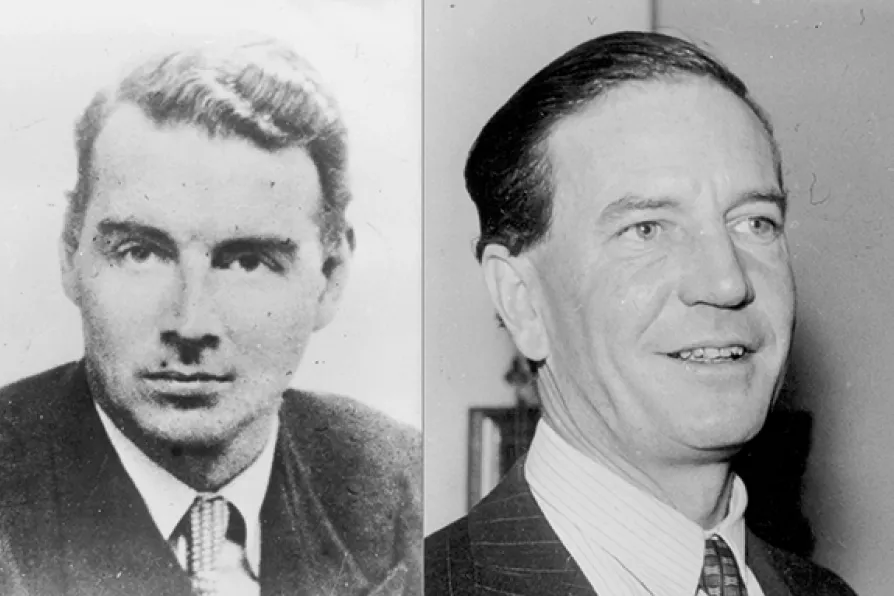 TRUE SPIES: Real life double agents (from left to right) Anthony Blunt, Guy Burgess and Kim Philby
Thousands of jobs are at risk across higher education, yet government funding appears only when universities can be linked to military objectives, says JO GRADY, in the run-up to the Stop the War International Conference this Saturday
The Wye, Usk, Arrow and Lugg were once treasured for their clean waters – today, pollution and corporate excess are fuelling demands for a return to public ownership, says MARK SEDDON
The new Employment Rights Act is a step forward, but restoring collective bargaining and union power remains essential to tackling insecurity, outsourcing and low pay, says PAUL WHITEHOUSE
Rising support for Farage’s party reflects Labour’s failure to defend working-class living standards or offer a credible alternative to neoliberal decline, says JOSEPH MILLS
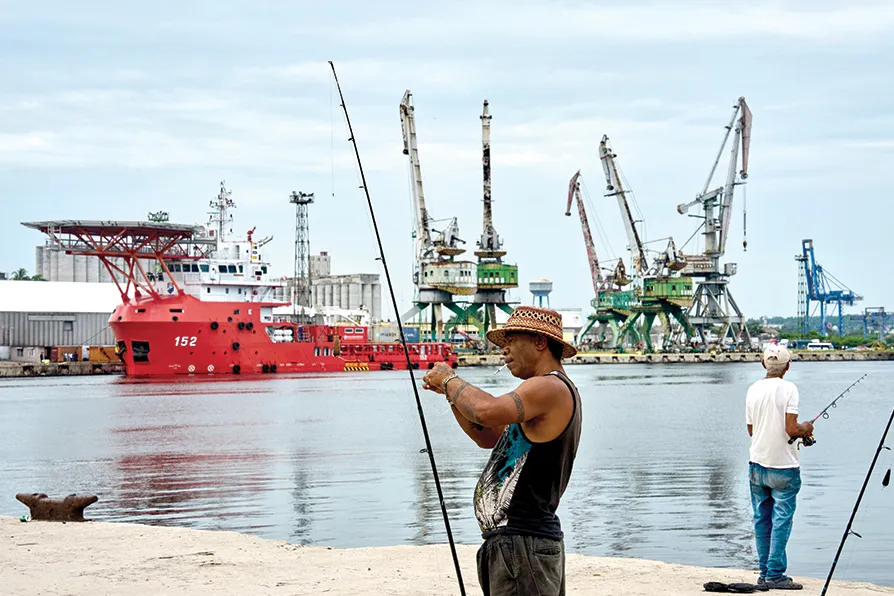
Trade unionists are mobilising to support Cuban workers and public services, amid escalating US pressure on the socialist island. RONAN OGILVY explains


EVERY spy novel turns on the question of betrayal and in the work of John le Carre this is at the heart of every story. His brilliant evocation of the Cold War with its rivalries and tensions reflected in the endless struggle for strategic advantage gave rise to a highly convincing cast of characters.
Le Carre acknowledged the provenance in real life of many of the characteristics he assigned to his protagonists. His unscrupulous con man father appears in A Perfect Spy; the bizarre collection of upper-class state functionaries and arriviste bureaucrats who staff the upper reaches of the Circus are the product of his literary skill and scrupulous characterisation but for anyone with a passing connection with the Civil Service, the intelligence world or Britain’s military caste they possess an authenticity that is more than the product of imagination.
Herein lies the secret of le Carre’s success as an author. For the generations shaped by the Cold War he renders the opaque operations of a secret world — hitherto impenetrable to the ordinary citizen — understandable in human terms and gives us fully three-dimensional characters with faults and foibles. He divides them into the categories innocent and knowing with a generosity that is even-handed except in relation to what we might categorise as the authentic British left and the working class.

Similar stories
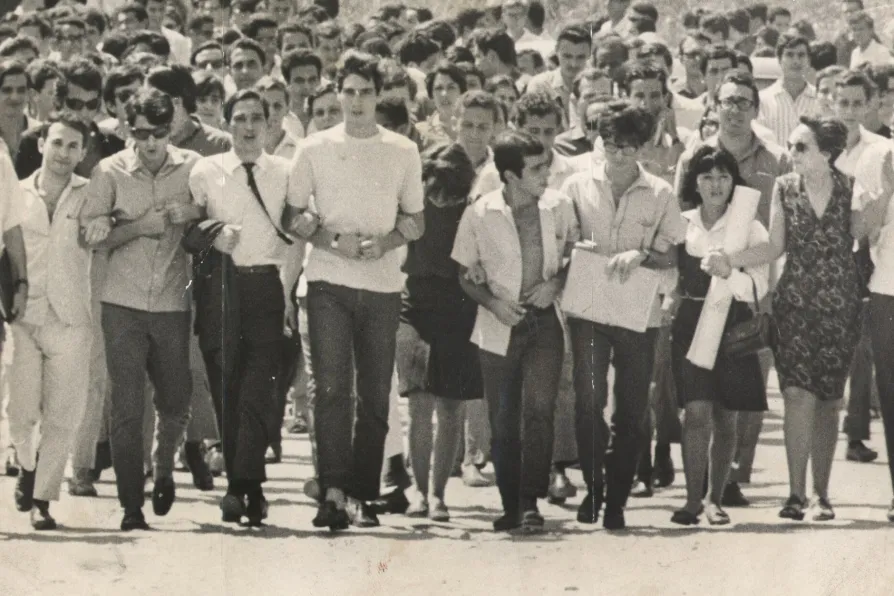
Newly revealed documents reveal that MI5 taught Brazilian secret police the techniques deployed by the 1964-85 military dictatorship in horrific prisons like Rio de Janeiro’s House of Death. SARA VIVACQUA reports
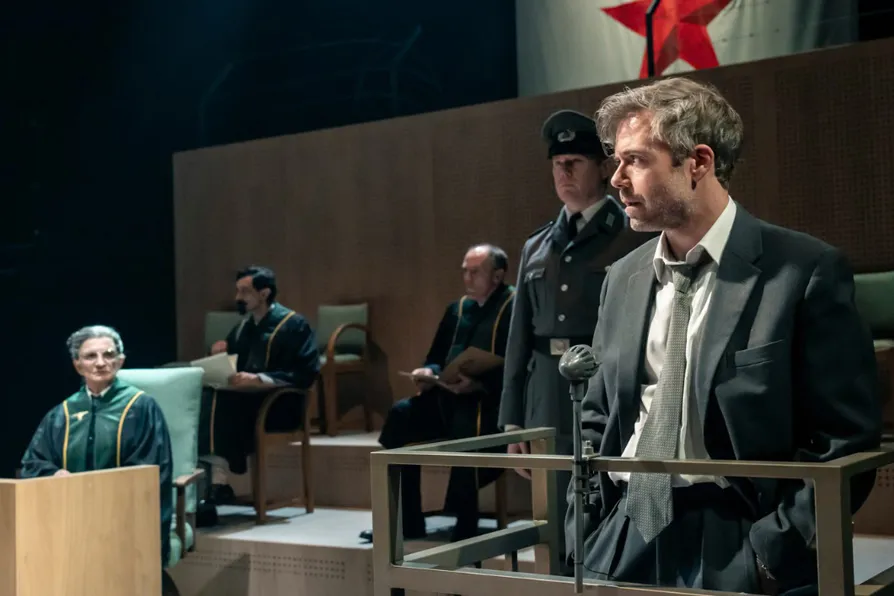
PETER MASON applauds a stage version of Le Carre’s novel that questions what ordinary people have to gain from high-level governmental spying
Starmer sabotaged Labour with his second referendum campaign, mobilising a liberal backlash that sincerely felt progressive ideals were at stake — but the EU was then and is now an entity Britain should have nothing to do with, explains NICK WRIGHT