Fownhope’s Heart of Oak Society traces its roots to the age of friendly societies, when communities provided their own safety net. Its anniversary celebrations reveal a tradition still very much alive, says MARK SEDDON


 Latest editorial
Microplastics in the ocean: a climate change crisis we ignore
When we think of plastic pollution we think of huge semi-solid islands of rubbish in the ocean — but unfolding alongside the overtly visible “macroplastic” crisis is another threat caused by much smaller particles, explains JOSEPH WINTERS
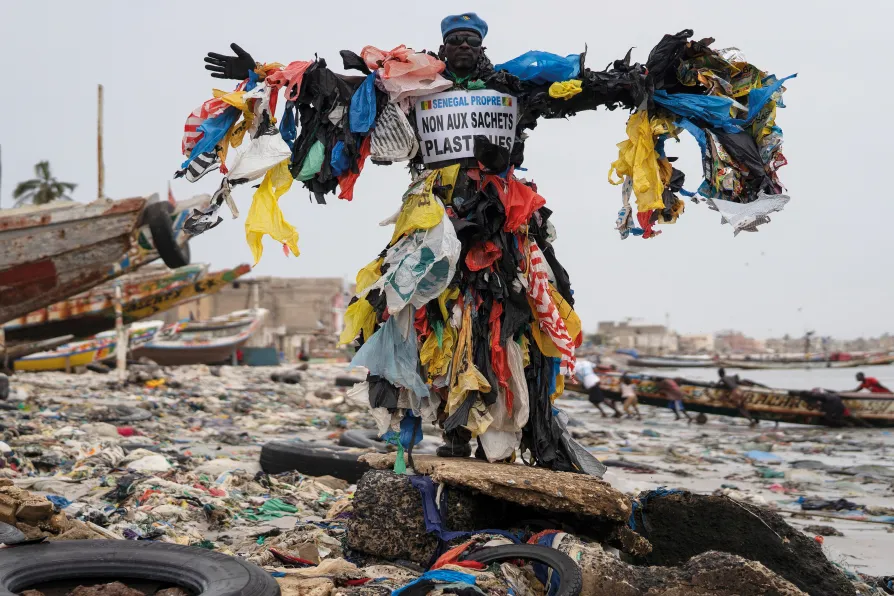 The environmental activist Modou Fall, who many simply call Plastic Man, poses for a photo at the devastated Yarakh Beach in Dakar, Senegal, November 8, 2022. On his chest, poking out from the plastic, is a sign in French that says simply, “no to plastic bags.”

ANGUS REID explains the significance of Cuba’s egalitarian in letter and spirit Family Code and the pertinent lessons it holds for democracies anywhere in the world
Special report by PEOPLE’S WORLD
NICK WRIGHT considers how the isolation of Israel and a new film on the controversial Italian communist leader are creating new reference points for Italy’s left
CARLOS MARTINEZ says Cuba’s achievements in the face of a criminal blockade are startling, but the island’s future if the United States succeeds in crushing it looks bleak
AMNON BROWNFIELD STEIN reports that far-right MPs who mobbed the event organised by Hadash may have helped raise awareness of the brutality of the Israeli right


MICROPLASTICS, tiny plastic fragments that are less than 5mm in diameter, have become ubiquitous in the environment. They form when larger plastic items like water bottles, plastic bags, and food wrappers are exposed to the elements, chipping them into smaller and smaller pieces as they degrade. Smaller plastic fragments can get down into the nano territory, spanning just 0.000001mm — a tiny fraction of the width of a human hair.
These plastic particles do many of the same bad things that larger plastic items do: mar the land and sea and leak toxic chemicals into the food chain. But scientists are increasingly worried about their potential impact on the global climate.
Not only do microplastics release potent greenhouse gases as they break down, but they also may be inhibiting one of the world’s most important carbon sinks, preventing planet-warming carbon molecules from being locked away in the seafloor.

Similar stories
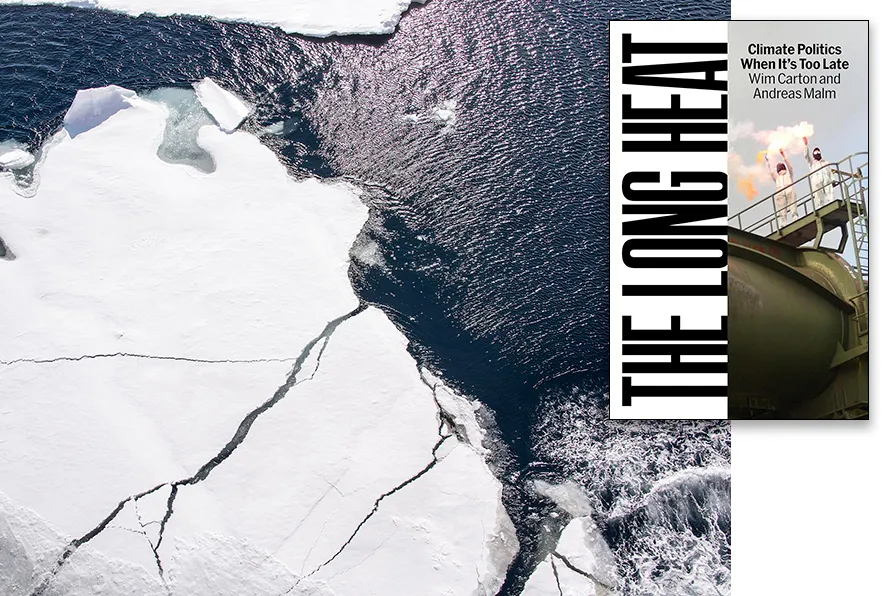
IAN SINCLAIR recommends an important and timely book for climate politics right now and in the future
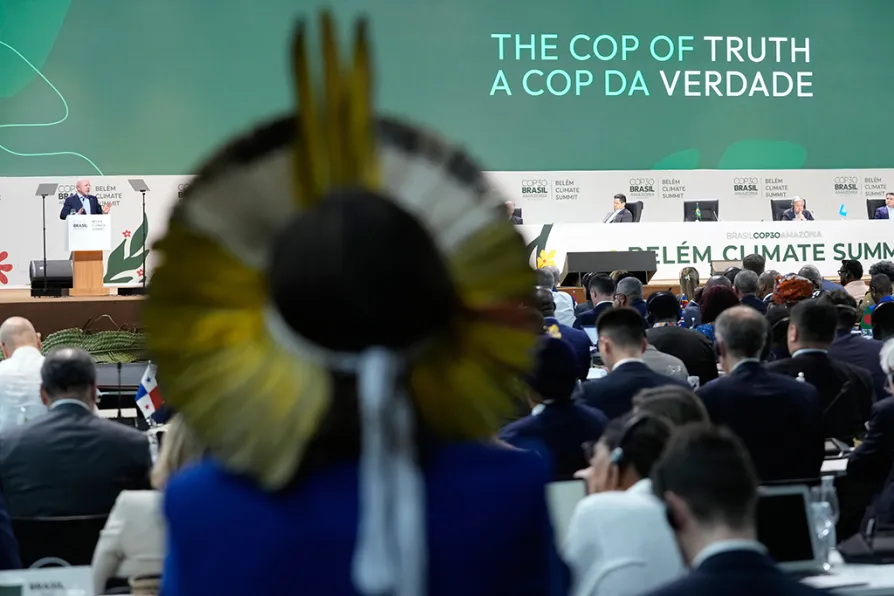
From summit to summit, imperialist companies and governments cut, delay or water down their commitments, warn the Communist Parties of Britain, France, Portugal and Spain and the Workers Party of Belgium in a joint statement on Cop30
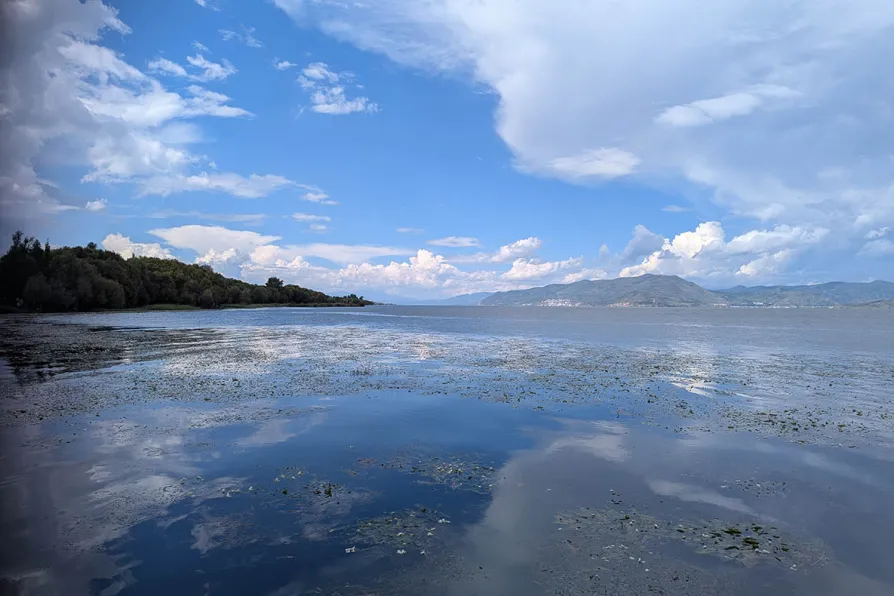
One of the major criticisms of China’s breakneck development in recent decades has been the impact on nature — returning after 15 years away, BEN CHACKO assessed whether the government’s recent turn to environmentalism has yielded results
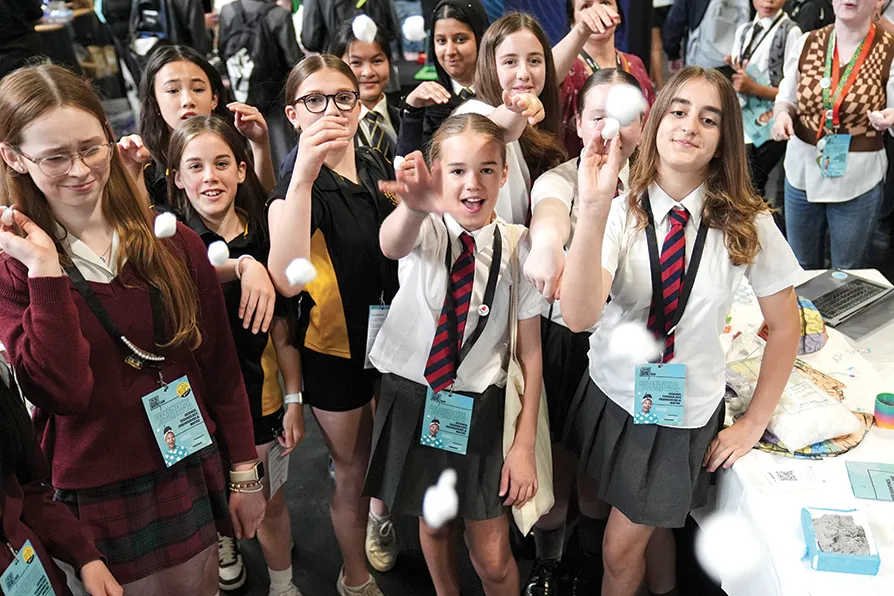
What’s behind the stubborn gender gap in Stem disciplines ask ROX MIDDLETON, LIAM SHAW and MIRIAM GAUNTLETT in their column Science and Society