In the wake of his recent humanitarian visit to Cuba, RICHARD BURGON points to the now urgent need to defend the island’s political sovereignty and its right to self-determination


 Latest editorial
Phosphorus supply is increasingly disrupted – we are sleepwalking into a global food crisis
The global food system is extremely vulnerable to shortages of a key fertiliser component caused by geopolitical turbulence, warn JULIA MARTIN-ORTEGA, BRENT JACOBS and DANA CORDELL
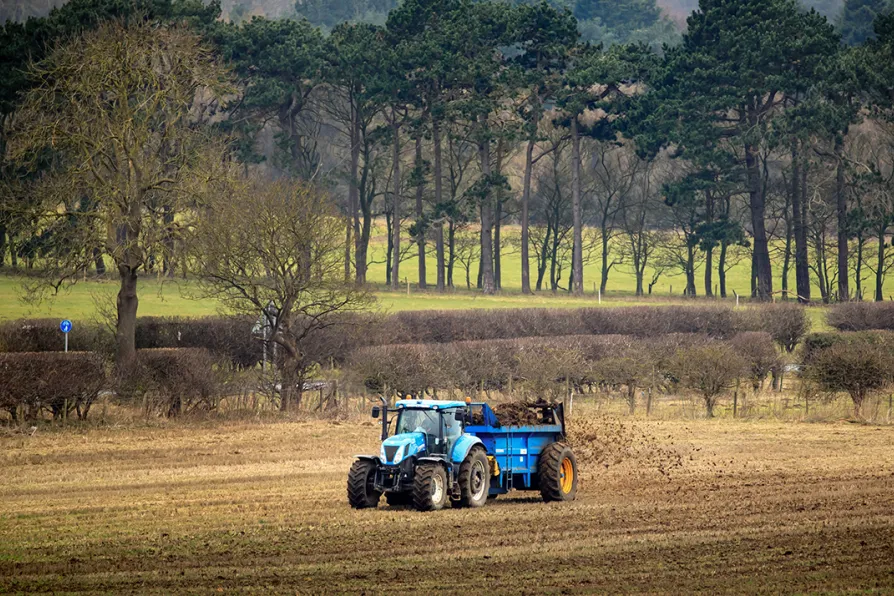 A farmer spreads fertiliser on a field
Thousands of jobs are at risk across higher education, yet government funding appears only when universities can be linked to military objectives, says JO GRADY, in the run-up to the Stop the War International Conference this Saturday
The Wye, Usk, Arrow and Lugg were once treasured for their clean waters – today, pollution and corporate excess are fuelling demands for a return to public ownership, says MARK SEDDON
The new Employment Rights Act is a step forward, but restoring collective bargaining and union power remains essential to tackling insecurity, outsourcing and low pay, says PAUL WHITEHOUSE
Rising support for Farage’s party reflects Labour’s failure to defend working-class living standards or offer a credible alternative to neoliberal decline, says JOSEPH MILLS
Trade unionists are mobilising to support Cuban workers and public services, amid escalating US pressure on the socialist island. RONAN OGILVY explains


WITHOUT phosphorus food cannot be produced, since all plants and animals need it to grow. Put simply: if there is no phosphorus, there is no life. As such, phosphorus-based fertilisers — it is the “P” in “NPK” fertiliser — have become critical to the global food system.
Most phosphorus comes from non-renewable phosphate rock and it cannot be synthesised artificially. All farmers therefore need access to it, but 85 per cent of the world’s remaining high-grade phosphate rock is concentrated in just five countries (some of which are “geopolitically complex”): Morocco, China, Egypt, Algeria and South Africa.
Seventy per cent is found in Morocco alone. This makes the global food system extremely vulnerable to disruptions in the phosphorus supply that can lead to sudden price spikes. For example, in 2008 the price of phosphate fertilisers rocketed 800 per cent.

Similar stories
Fertiliser chaos triggered by Gulf conflict could send prices soaring and leave millions facing devastating hunger, writes DYLAN MURPHY
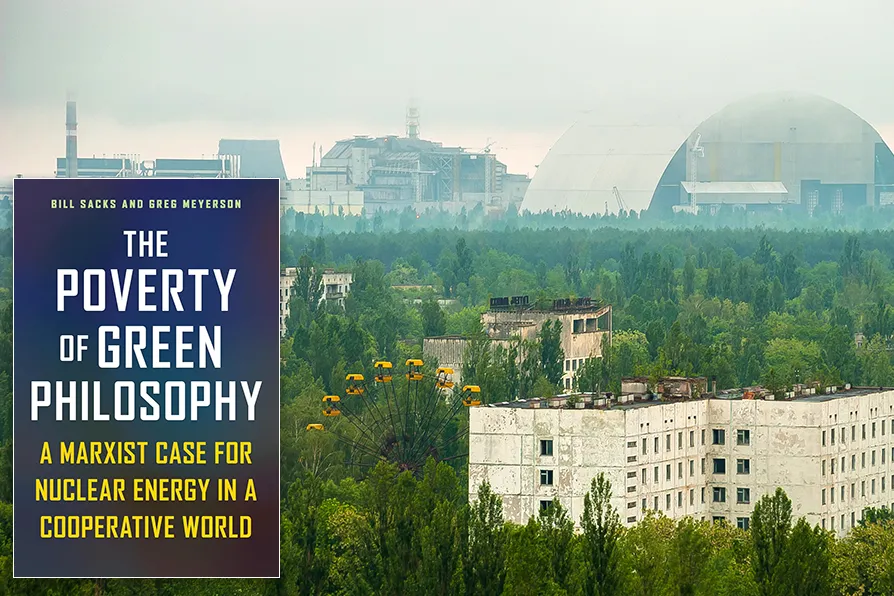
BRENT CUTLER welcomes a valuable contribution to discussions around the need to de-carbonise energy production
The West’s dangerous pesticide dumping in Africa is threatening biodiversity, population health and food sovereignty, argues ROGER McKENZIE
One of the major criticisms of China’s breakneck development in recent decades has been the impact on nature — returning after 15 years away, BEN CHACKO assessed whether the government’s recent turn to environmentalism has yielded results