Extreme heat is now one of the defining public health challenges of a warming world, explains Prof IAN WILLIAMS


 Latest editorial
A remarkable triumph for popular protest
KATE HUDSON looks back 40 years to a landmark event of the peace movement – with parallels for the world of today
 Countering forcefully the threat of global nuclear conflagration
[CND]
Countering forcefully the threat of global nuclear conflagration
[CND]
19.01.1930-23.04.2026
Kate Clark pays tribute to Ricardo, whose life spanned the hopes of Allende’s Chile, the horrors of military dictatorship and decades of campaigning for justice in exile
The electoral cost of Labour’s stance on Gaza is impossible to ignore – the new leadership must take heed, argues PETER LEARY
After the dismissal of union representatives and years of precarious working conditions, Kimpton Clocktower workers are drawing a line, writes THOMAS BELL
Burnham’s Makerfield triumph offers the party the opportunity to reconnect with working people, but only if it rejects business as usual, says CAROL MOCHAN MSP
KIERA MARSHALL says there is a gulf between the privileged circles in which most politicians move and the lives of working-class youth in left-behind estates – and as a newly elected Senedd member she’s determined to do something about it


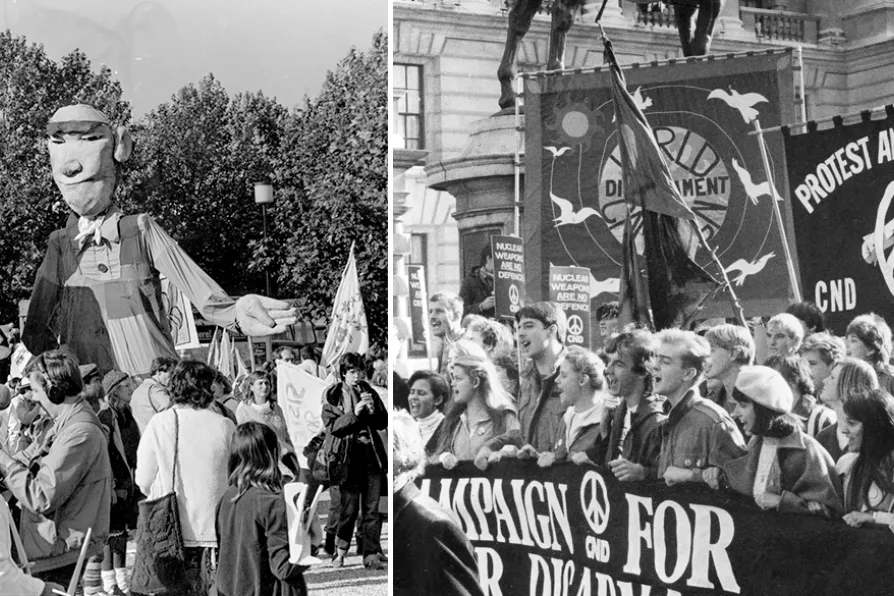
FORTY years ago, on October 22 1983, CND held the largest demonstration in its history with 400,000 people in Hyde Park.
The reason? West European leaders had decided to deploy new US missiles that would likely lead to nuclear war in Europe. British prime ministers — first Callaghan in 1979, then Thatcher — agreed to take cruise missiles, at Greenham Common and Molesworth bases, from 1983.
The deployment of these missiles — and Pershing missiles elsewhere in western Europe — meant that Europe would be the nuclear battleground in a war between the US and Soviet Union, which seemed ever closer.

Similar stories
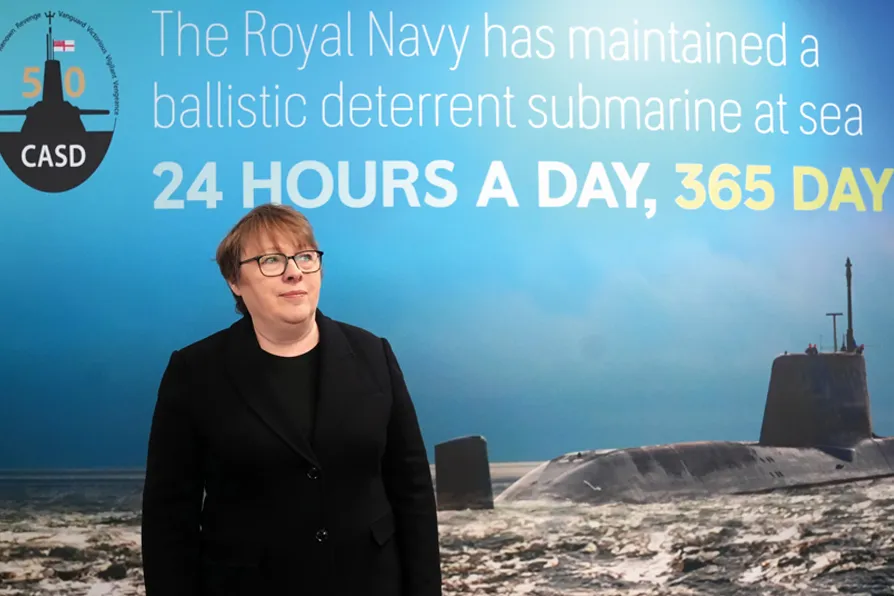
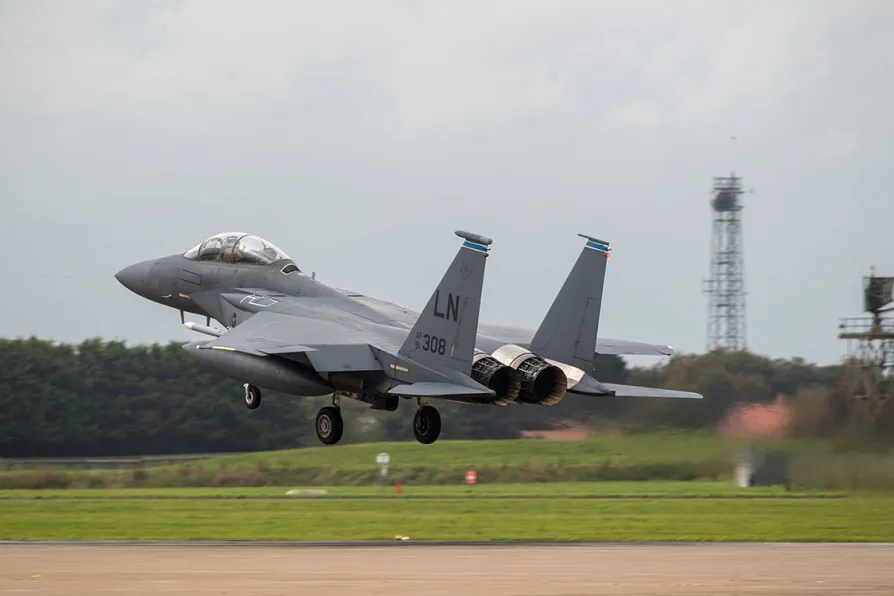
Expanding Britain’s nuclear capability increases the risk of nuclear confrontation. It does not keep us safe – it makes us a target, argues CAROL TURNER

At 80, Elizabeth Morley wished she could join Palestine Action’s ladder-climbing but found her perfect protest at Defend Our Juries, proving Britain’s elders won’t be silenced despite government crackdowns, writes LINDA PENTZ GUNTER
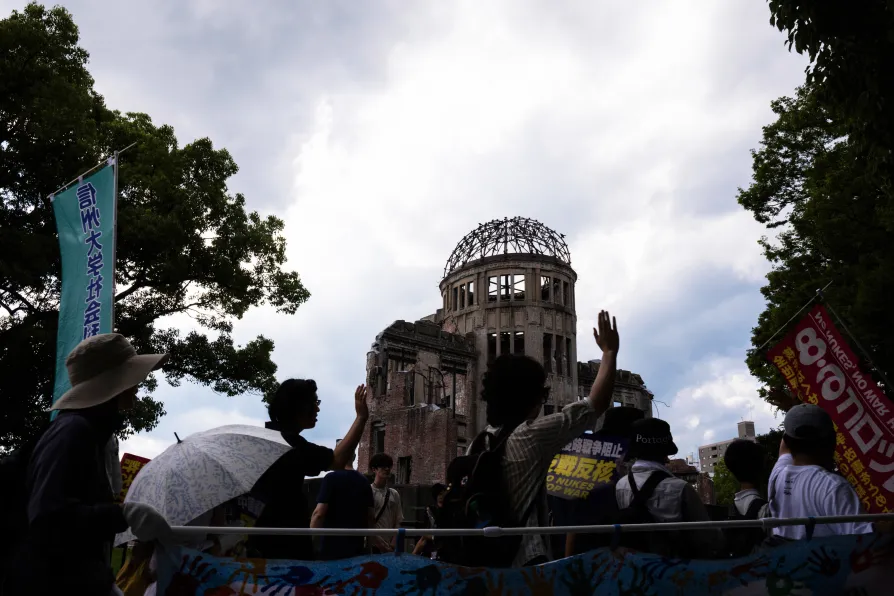
For 80 years, survivors of the Hiroshima and Nagasaki atomic bombings have pleaded “never again,” for anyone. But are we listening, asks Linda Pentz Gunter