Durham Miners’ Association chair STEPHEN GUY speaks to Ben Chacko about the Reform threat, what’s needed from Labour and why the Big Meeting will never lose its politics


 Latest editorial
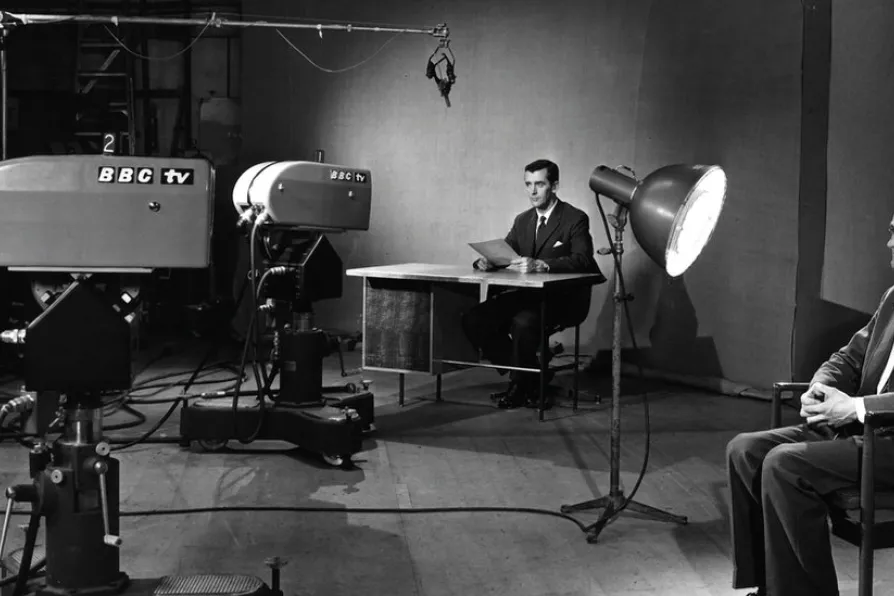
The BBC: you don't know what you've got till it's gone
GRANVILLE WILLIAMS writes in critical defence of the state broadcaster as new jobs cuts are announced and it falls into a trap set by the Tories
![Durham Miners' Gala 2026 [Pic: Neil Terry]](https://morningstaronline.co.uk/sites/default/files/styles/desktop/public/2026-07/SSS_20260711_DURHAM_MINERS_GALA_0-21.jpg.webp?itok=NUVjowji)
Andy Burnham’s message of hope will defeat Reform if Labour delivers the New Deal for Working People in full, says JOANNE THOMAS
General Federation of Trade Unions president and bakers’ union general secretary, SARAH WOOLLEY, guides us through the GFTU’s Summer School happening this week at Quorn Grange Hotel
The government’s latest asylum proposals abandon labour movement values and fuel division by aping Reform UK, writes DIANE ABBOTT MP
Can Andy Burnham’s programme deliver a productive economy – or merely a softer version of capitalism, asks VINCE MILLS
IAN LAVERY MP warns that decades of neoliberal policies have left former industrial communities behind — but a renewed Labour commitment to working people could change the political landscape


HERE’S a thought: Barry Hines’s novel A Kestrel for a Knave wouldn’t exist without the BBC — in particular, without the key role of Alfred Bradley, a Leeds-based producer for the BBC North region based in Woodhouse Lane, Leeds, from 1959 to 1980.
Bradley fostered distinctive northern talent on the regional radio programme The Northern Drift: realists such as Alan Plater and Stan Barstow, the humour of Henry Livings and the touching, sometimes softly lyrical songs and sketches of Alex Glasgow.
Hines had written a few pieces for Bradley, notably the fable-like radio play Billy’s Last Stand (1965) which so impressed Bradley that he recommended that BBC North give Hines a bursary.

Similar stories
Forty years on, TONY DUBBINS revisits the Wapping dispute to argue that Murdoch’s real aim was union-busting – enabled by Thatcherite laws, police violence, compliant unions and a complicit media
![[Pic: Andrew Wiard]](https://morningstaronline.co.uk/sites/default/files/styles/desktop/public/2026-01/19860503_a_wiard_0003.jpg.webp?itok=mR5zV0nE)
The once beating heart of British journalism was undone by technological change, union battles and Murdoch’s 1986 Wapping coup – leaving London the only major capital without a press club, says TIM GOPSILL
![[Pic: Andrew Wiard]](https://morningstaronline.co.uk/sites/default/files/styles/desktop/public/2026-01/19860330_a_wiard_0001JPG.jpg.webp?itok=nkzZbinE)
As advertising drains away, newsrooms shrink and local papers disappear, MIKE WAYNE argues that the market model for news is broken – and that public-interest alternatives, rooted in democratic accountability, are more necessary than ever
![[Pic: Andrew Wiard]](https://morningstaronline.co.uk/sites/default/files/styles/desktop/public/2026-01/19860503_a_wiard_0002.jpg.webp?itok=w0tEojMk)
A handful of journalists at The Times faced a stark personal and political choice in 1986 – cross the picket lines for cash and career, or stand with organised labour at great personal risk. BARRIE CLEMENT recalls why refusing to scab at Wapping was not just an act of union loyalty, but a stand for the future of journalism