Durham Miners’ Association chair STEPHEN GUY speaks to Ben Chacko about the Reform threat, what’s needed from Labour and why the Big Meeting will never lose its politics


 Latest editorial
Karen Bradley’s defence of Bloody Sunday soldiers reveals a sense of ruling class impunity
Bloody Sunday was neither a mistake, nor a reaction to hooliganism and military or political fear of IRA activity, writes ROSA GILBERT
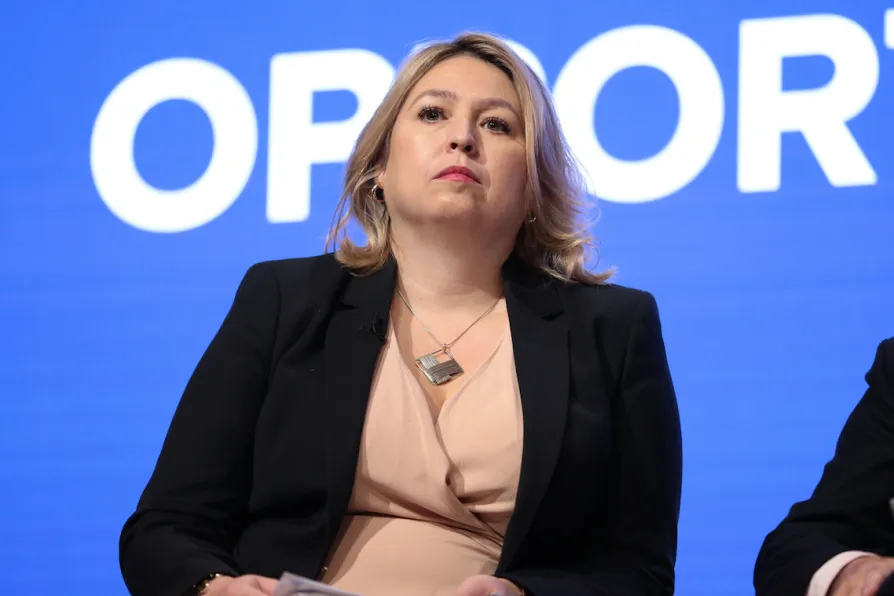 Northern Ireland secretary Karen Bradley

![Durham Miners' Gala 2026 [Pic: Neil Terry]](https://morningstaronline.co.uk/sites/default/files/styles/desktop/public/2026-07/SSS_20260711_DURHAM_MINERS_GALA_0-21.jpg.webp?itok=NUVjowji)
Andy Burnham’s message of hope will defeat Reform if Labour delivers the New Deal for Working People in full, says JOANNE THOMAS
General Federation of Trade Unions president and bakers’ union general secretary, SARAH WOOLLEY, guides us through the GFTU’s Summer School happening this week at Quorn Grange Hotel
The government’s latest asylum proposals abandon labour movement values and fuel division by aping Reform UK, writes DIANE ABBOTT MP
Can Andy Burnham’s programme deliver a productive economy – or merely a softer version of capitalism, asks VINCE MILLS
IAN LAVERY MP warns that decades of neoliberal policies have left former industrial communities behind — but a renewed Labour commitment to working people could change the political landscape


KAREN BRADLEY’S comments in defence of the Parachute Regiment soldiers responsible for Bloody Sunday were not just insensitive, they gave away the sense of impunity with which successive Westminster governments have ignored pleas for accountability, transparency and justice.
But the fact that she drew attention to the idea that British forces — the military, the Royal Ulster Constabulary and their reserve forces — were not acting outside of the law is telling.
As Frank Kitson, a senior military strategist in Northern Ireland, advised, the “law should be used as just another weapon in the government’s arsenal.”

Similar stories

The Met Police's refusal to act against British nationals accused of war crimes in Gaza is a green light for Israel's genocide, writes CLAUDIA WEBBE

As the government quietly upgrades the role of Britain’s special forces, their growing global footprint and near-total exemption from democratic oversight should alarm us all, says ROGER McKENZIE
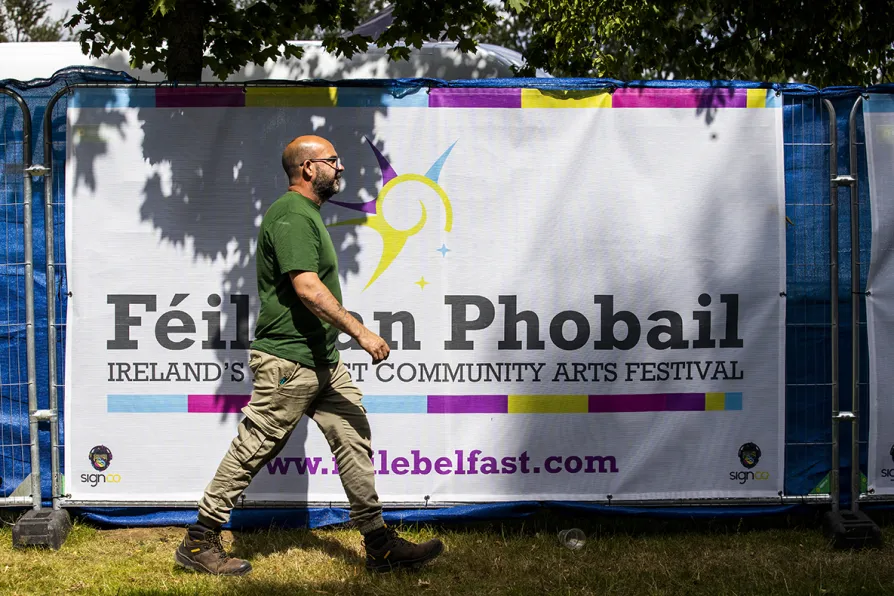
Why not pay a visit to Feile an Phobail, a people’s festival of community arts with roots in the days of internment without trial, and where the spirit of solidarity remains undimmed, says LYNDA WALKER