Ron's rages are sincere and — according to his wife — healthily cathartic. But can these splenetic outbursts loosen the grip of capitalism at its most monstrous?


Lay it on thick
ALISTAIR FINDLAY recommends a prime example of a Marxist history of popular music that entertains and inspires

 A FORM OF PROTEST: The Cribs performing live in 2018
[Bruce Baker/CC]
A FORM OF PROTEST: The Cribs performing live in 2018
[Bruce Baker/CC]
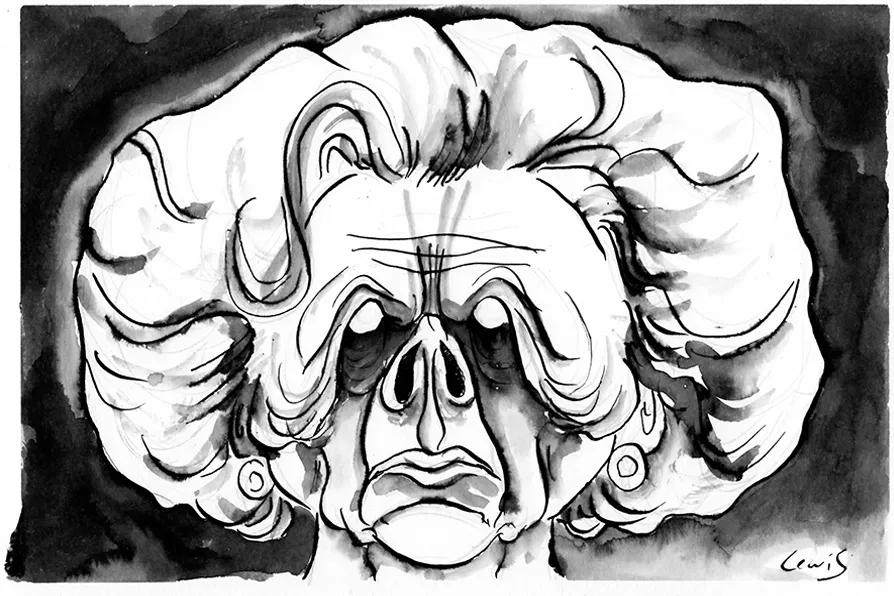
ANGUS REID considers the power of the podcast as a vehicle for consensus building in opposition to mainstream media narratives
GLENN FOSBRAEY recommends a biography worth reading for both existing George Michael fans and those yet to be converted
FRANCIS DEVINE introduces a new collection of essays that draws on Pease McKenna’s example to indicate future paths for the movement
KEVIN DONNELLY and MARIA DUARTE review Shoot the People, The Last One For The Road, Rosebush Pruning, and Moana
JAMES WALSH recommends an exceptional documentary about the experience of Western doctors in Gaza


Mixing Pop and Politics
Toby Manning, Repeater Books, £25
THIS is a refreshing and inspiring book written by a music industry insider, author of The Rough Guide to Pink Floyd (2006) who has written for Q, NME, New Statesman, Guardian and similar media, and is now manager and producer of a band called The Idle Lovers.
He says of it himself: “This is a Marxist history of popular music, not a history of Marxist popular music — that would be a very short book.” Indeed.
In fact it is a fascinating but very large book, 565 crammed pages, a hundred of which comprise the index and notes and thus a treasure trove waiting for aspiring Phd/masters students to plunder for quotes, insights and critiques, mostly from the Stuart Hall stable of cultural studies intellectuals — Marx, Gramsci, Marcuse, Althusser, Foucault, Raymond Williams and the more recent Frederic Jameson etc.

Similar stories

MEIC BIRTWISTLE offers an appreciation of the renaissance man GARETH MILES
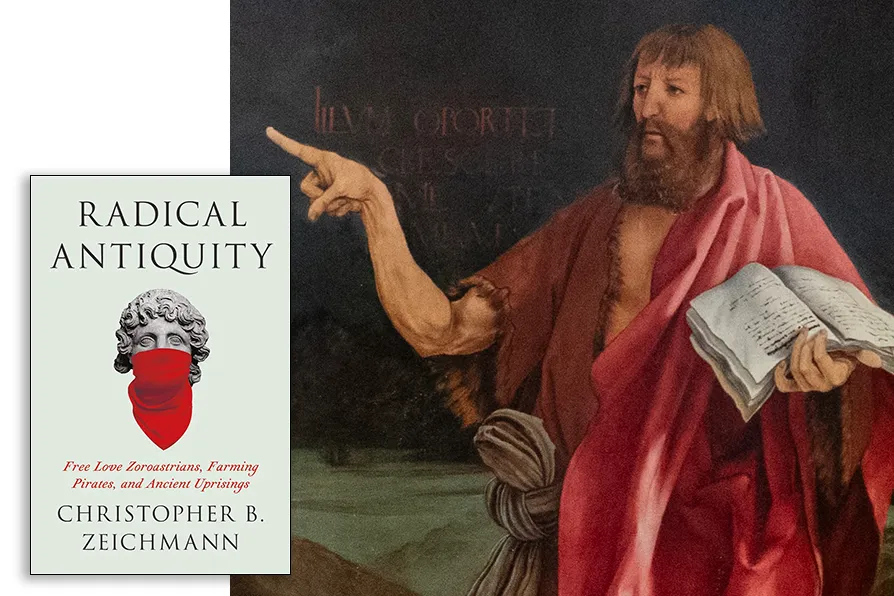
STEVE ANDREW enjoys an account of the many communities that flourished independently of and in resistance to the empires of old
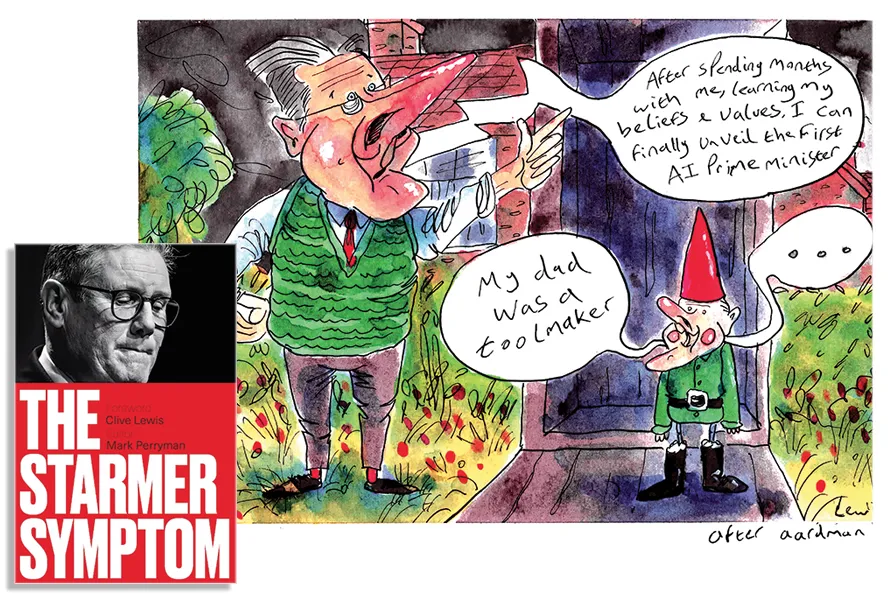
ANDREW MURRAY recommends a volume of essays that nail the visionless, racist and neoliberal character of policy under Starmer’s Labour Party

From hunting rare pamphlets at book sales to online panels and courses on trade unionism and class politics, the MML continues connecting archive treasures with the movements fighting for a better world, writes director MEIRIAN JUMP