

 Latest editorial
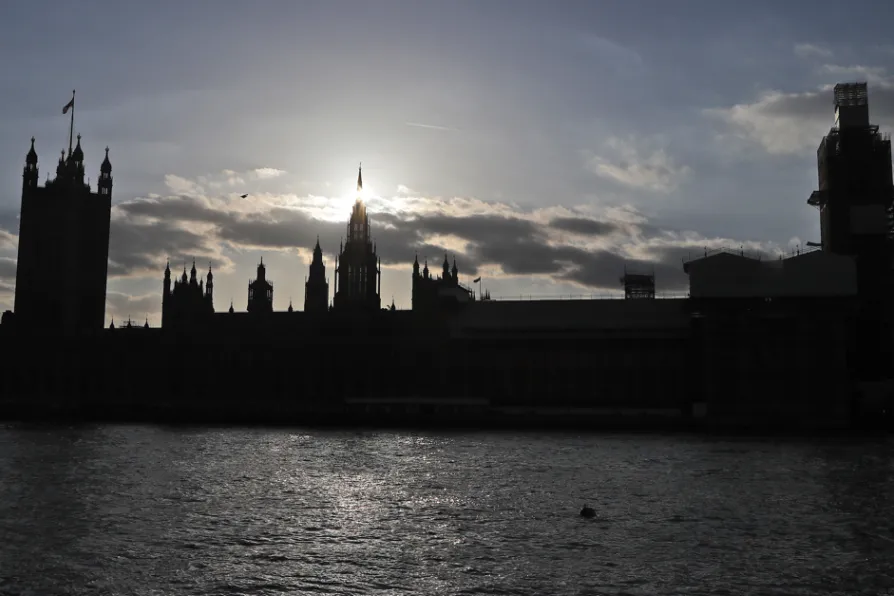 The sun sets behind the Houses of Parliament in London today



IF it wasn’t for the dangerous consequences for working people and their families, the present government crisis would be a source of unending amusement.
To see a Tory government unable to command a majority in Parliament, unable to find agreement over the central pillar of policy, divided into almost irreconcilable camps and now compelled to rely on the votes of a gaggle of colonials whose bigotry is only surpassed by their venality should have us in stitches.
So restricted is Theresa May’s freedom of action that comedians are already suggesting cutting out the middle woman and making Arlene Foster premier.
Having the leading representative of the “Developers” Unionist Party in formal charge of the full colonial regime might give the illusion of transparency.
Joking aside, the developing reality is that capital is increasingly comfortable with the idea that Northern Ireland’s weird status can be dispensed with if it interferes with profit making.
In truth the political crisis is so deep that only an election offers a realistic prospect of clearing the ground.
The government has lost control of the parliamentary timetable and a cross-party consensus in this Parliament of Remainers is planning a series of indicative votes to divine a way to meet their passing fancy (or at least one that they can reconcile with the desire to keep their parliamentary seats).
All this turns Britain’s infinitely flexible unwritten constitution into a comedy of errors.
May says she will not be constrained by a Commons majority that forces upon her a variation from the Brexit mandate she claims her election mandate gives.
This is unfamiliar territory for Tories whose election manifestos usually conceal more than they reveal about their intentions. But 85 per cent of MPs were elected on a promise to deliver Brexit and her “I support the people” act could resonate with angry voters.
Nevertheless she has lost the initiative and MPs — we hardly are able to define them by party label any longer — can put her in a straitjacket of their choosing. If they can but agree.
The possible outcome of this situation is that a parliamentary majority may be assembled which would compel the government to negotiate a different Brexit from the one arising from her tryst with Michel Barnier or even no Brexit whatsoever.
This crisis bares the essential and so far unchanging reality that Britain’s democracy is built upon an unspoken convention that Parliament can only represent the British people in as far as giving effect to popular sentiment that does not challenge the existing order.
This “democracy” is not best suited to accommodate divisions in the ruling class that are so profound as to compel them to mount opposing bids for popular support.
What gives the guardians of capitalist continuity a real edge — integration on British terms with the EU, the North Atlantic Alliance, neoliberal economic policy and partnership with US imperial power — is divisions in the opposition.
All sides in this farce face the reality that an election to reconstitute Parliament cannot take place before the deadline for deciding whether to participate in the elections to the European Parliament.
After three years of foot dragging and innumerable rounds of negotiations which have changed little of substance, public opinion in Britain is settling into camps that remain irreconcilable without a new kind of government.
Last weekend’s demonstration represented a substantial slice of sentiment and, although it was quite unrepresentative of working-class Britain, it included many people who are not irreconcilably opposed to a transformative government.
In its diversity it is not the creature of the people who sponsored it, financed it and led it.
Labour’s challenge is to find a way in which a popular majority for real change can be assembled.

ANSELM ELDERGILL is a member of Your Party and he suggests how the new party should reform Britain’s constitution

Starmer sabotaged Labour with his second referendum campaign, mobilising a liberal backlash that sincerely felt progressive ideals were at stake — but the EU was then and is now an entity Britain should have nothing to do with, explains NICK WRIGHT
In the run-up to the Communist Party congress in November ROB GRIFFITHS outlines a few ideas regarding its participation in the elections of May 2026
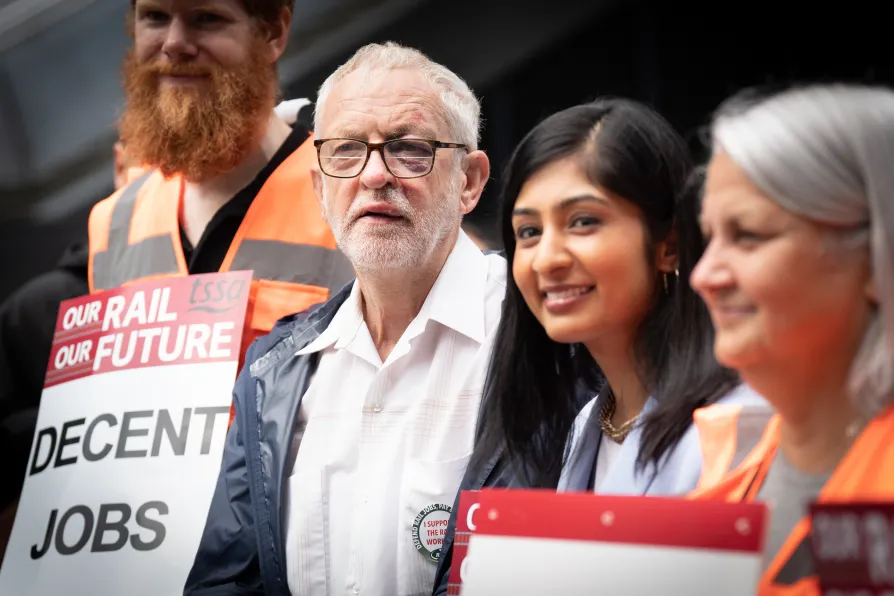
It would be great to have a better option to vote for in elections, but a coalition of proven working-class organisations built from decades of real struggle offers stronger foundations than patched-together parliamentarianism, writes BILL GREENSHIELDS