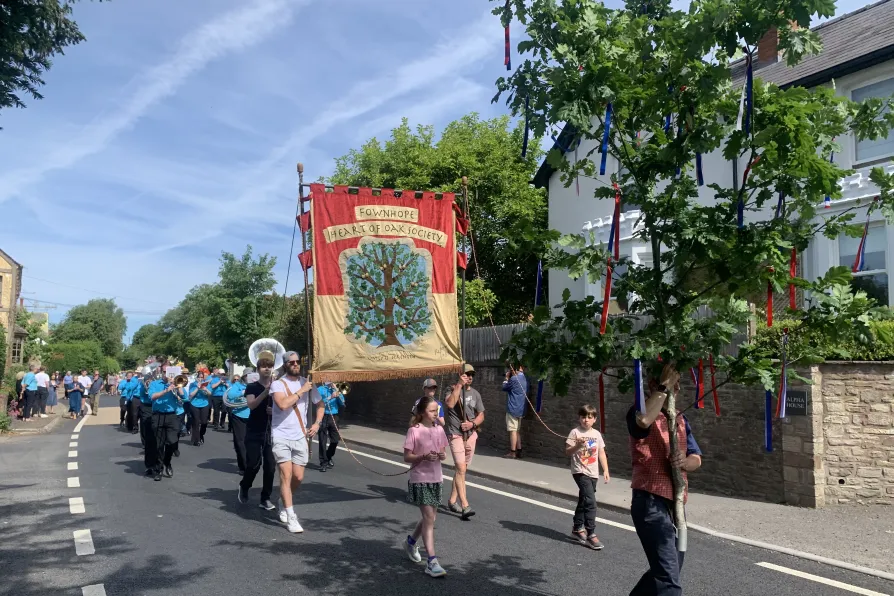
Fownhope’s Heart of Oak Society traces its roots to the age of friendly societies, when communities provided their own safety net. Its anniversary celebrations reveal a tradition still very much alive, says MARK SEDDON


 Latest editorial
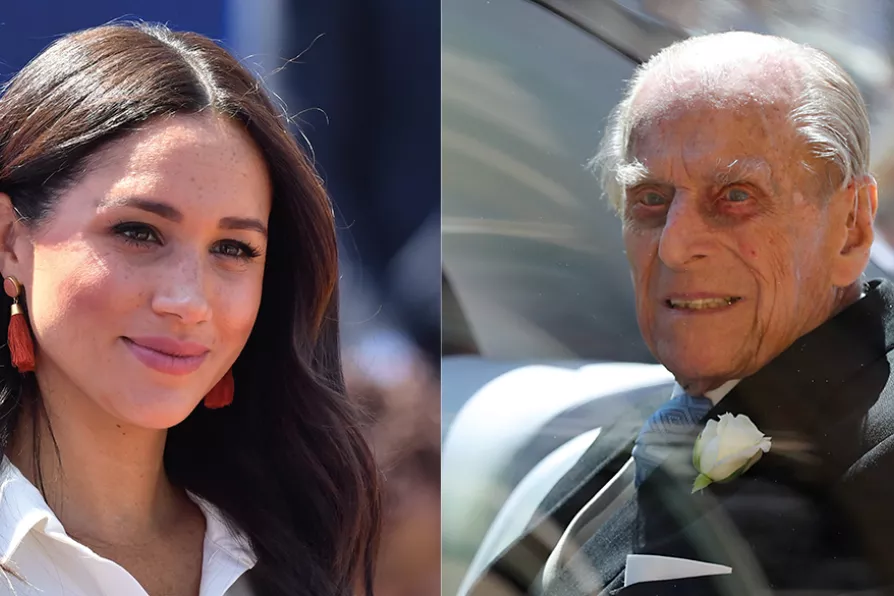
Philip, Meghan and institutional racism: a spotter’s guide
The press treatment of two very different royals and the complicity of the political establishment are all you need to know about engrained bigotry in Britain, argues SOLOMON HUGHES

ANGUS REID explains the significance of Cuba’s egalitarian in letter and spirit Family Code and the pertinent lessons it holds for democracies anywhere in the world
Special report by PEOPLE’S WORLD
NICK WRIGHT considers how the isolation of Israel and a new film on the controversial Italian communist leader are creating new reference points for Italy’s left
CARLOS MARTINEZ says Cuba’s achievements in the face of a criminal blockade are startling, but the island’s future if the United States succeeds in crushing it looks bleak
AMNON BROWNFIELD STEIN reports that far-right MPs who mobbed the event organised by Hadash may have helped raise awareness of the brutality of the Israeli right


IMMEDIATELY after the government published a report claiming “institutional racism” was exaggerated, the leaders of both political parties gave clear and open examples of how institutions could be racist.
First off, Labour leader Keir Starmer had a long, friendly interview in the Times. Journalist Decca Aitkenhead asked Starmer if he would describe press coverage of Pince Harry and Meghan Markle as racist.
He shook his head and said, “I wouldn’t.” With a gesture and two words, Starmer cleared all media of prejudiced Markle coverage.

Similar stories
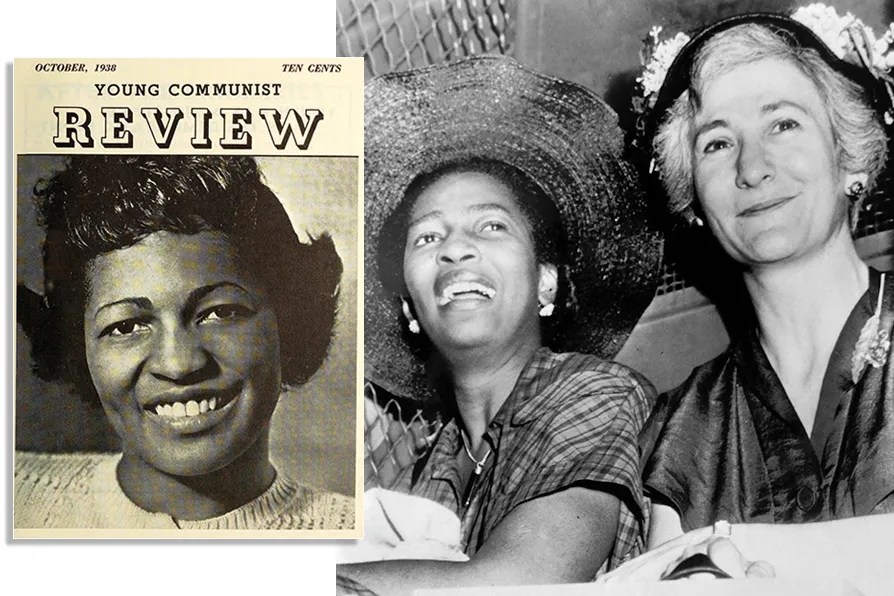
On the 121st anniversary of communist Claudia Jones’s birth ROGER McKENZIE looks at political events that shaped her, and those she helped shape

On January 2 2014, PJ Harvey used her turn as guest editor of the Today programme to expose the realities of war, arms dealing and media complicity. The fury that followed showed how rare – and how threatening – such honesty is within Britain’s most Establishment broadcaster, says IAN SINCLAIR
At the very moment Britain faces poverty, housing and climate crises requiring radical solutions, the liberal press promotes ideologically narrow books while marginalising authors who offer the most accurate understanding of change, writes IAN SINCLAIR
