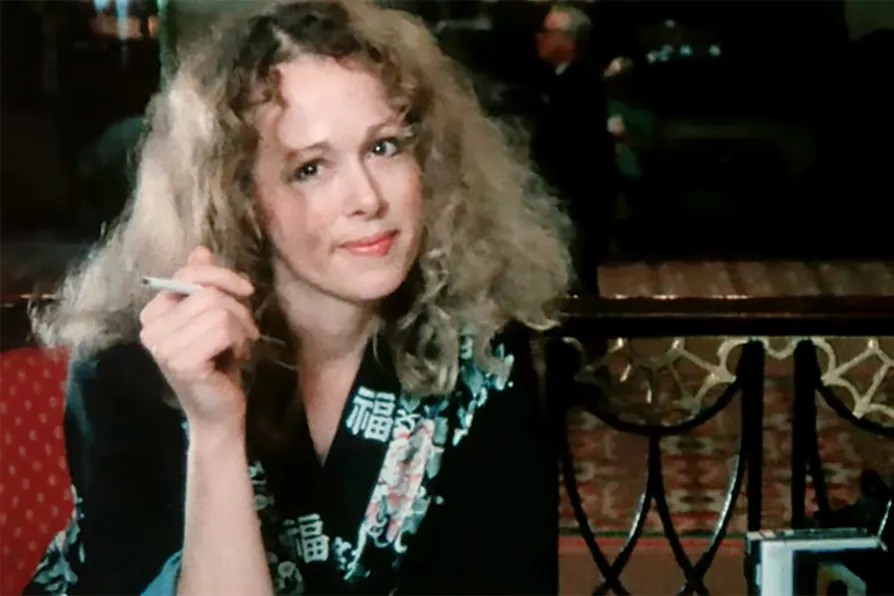
MARIA DUARTE recommends the true story of the remarkable woman who sued Donald Trump for sexual assault not once, but twice


 Latest editorial
Routine non-monogamy
PAUL DONOVAN is fascinated by the lives of Charles and Mary Bagot, and the insight this biography shines on the morals of pre-Victorian society
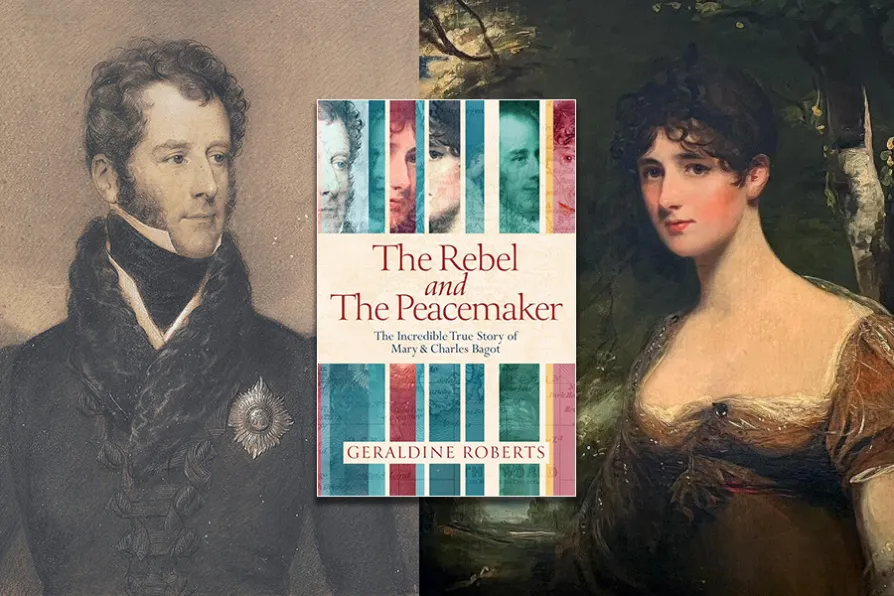 (L) Charles Bagot by Francis William Wilkin, 1825; (R) Lady Bagot by John Hoppner, 1807 [Pics: Public Domain]
KENNY MacASKILL is disappointed by a polemical, rather than factual, account of the Lone Star State and its political path since the civil war
GORDON PARSONS appreciates fine performances and a feel for ambiguity, but misses the music of the dialogue
DOUGLAS FIELD relishes the hard-boiled language, satire and humour of the third and last of the Harlem trilogy
STEPHANIE BROWN draws attention to the hidden labour of the female embroiderers, and how a 19th century replica made no such error
MIK SABIERS revels in a band that ploughs an idiosyncratic furrow of expletive laden, guitar-driven alt rock
ANDY HEDGECOCK, MARIA DUARTE and ANGUS REID review Synthetic Sincerity, Our Hero, Balthazar, Heartstopper Forever, and A Year In London


The Rebel & the Peacemaker
Geraldine Roberts, August Books, £20
THIS fascinating book traces the lives of Charles and Mary Bagot through turbulent times in the US, Russia and latterly Canada during the first half of the 19th century.
Geraldine Roberts’ second book follows on from the Angel and the Cad about the antics of the Duke of Wellington’s nephew William Pole Tylney Long Wellesley.
In that case, Long Wellesley managed to destroy his wife Catherine’s life, although it became the first case where a man was denied custody of his children (that duty going to the Duke of Wellington, after Catherine’s death).
Roberts deploys a similar forensic style of approach in this latest book, which picks up with Long Wellesley’s sister Mary, who marries Charles Bagot.
Bagot is determined to serve in the diplomatic sector. He becomes great friends with future foreign secretary and prime minister George Canning, and shares the rise and fall of his fortunes.
Politically, Bagot is a Tory, at a time when the Whigs are seen as the coming liberating force. However, he excels as a diplomat, first being sent as British ambassador to Washington in 1815. The British had just burnt Washington in the war of 1812 to 1815. Post-war, things are tense but the Bagots charm their way around the diplomatic circuit. Important treaties are agreed, bringing peace.
Bagot plays a key role in one of the few positive actions of the British empire, helping secure liberty for some of the slaves who joined the British side during the three-year war.
After three arduous years in the United States, Bagot becomes ambassador to Russia, there dealing with the elusive Tsar Alexander I.
A period follows as ambassador to the Netherlands. Finally, Bagot is brought out of retirement to become governor general of Canada, a role where he brought unity to a divided country, while being vilified at home in Britain for his liberal actions.
Roberts provides a fascinating insight to an interesting period of history. Diplomacy in a modern sense is in its infancy. The period covered, bridges the end of the Georgians and beginning of Victoria’s reign (Queen Victoria is not a Bagot fan).
The change in reigns is described in terms of a decline of the “vulgar ostentation” of the Georgian era.
While at times the author seems something of a fan of the Bagots, as Hillary Mantel was of Thomas Cromwell, in the main she keeps an objective observer’s viewpoint.
In many ways she is setting the record straight, recalling how the online biography at the National Gallery is less than complimentary, and fails to mention his role as an abolitionist for slavery. Bagot seems to have been more appreciated in the annals of the US and Canada.
Much of the book focuses on Mary, a vivacious, intelligent person, who does all she can within the many confines placed on women at the time.
There are some other interesting social history titbits in the account, such as the access, afforded exclusively to the rich, to a form of condom. Not that that seemed to affect the Bagots, who had 10 children. Mary also had a number of affairs, seemingly forgiven by Charles. One child, Arthur, wasn’t his.
It is still a surprise to discover that non-monogamy was routinely practised in the late 18th century, and seems to have been something commonly acknowledged, even if something that the later Victorians preferred to ignore or repress.
Overall, this is a very interesting read, especially for those interested in the history of this time, bridging the Georgian and Victorian periods, as the British empire and influence expanded.

Similar stories
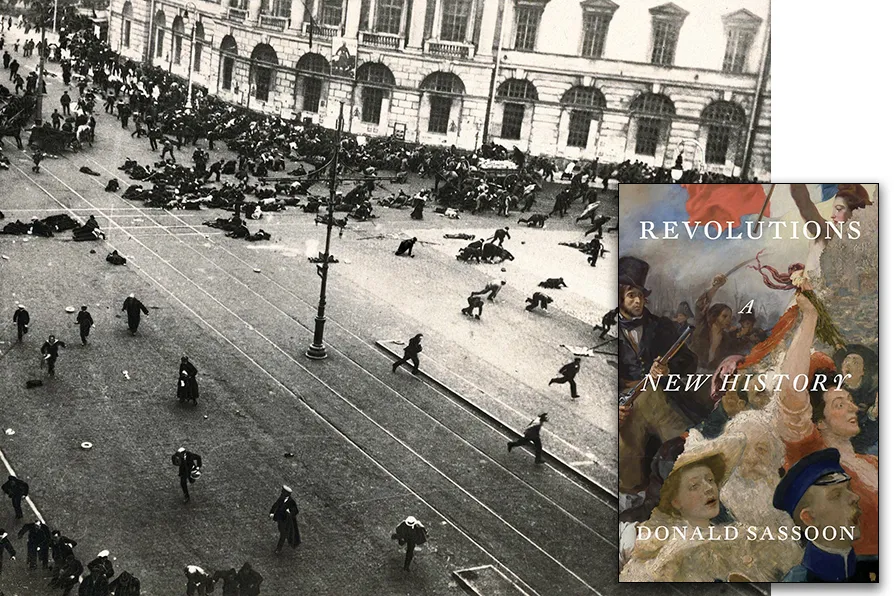
HENRY BELL follows the lineage of revolutions, from the English to the Chinese, and asks where revolutionary politics exists today
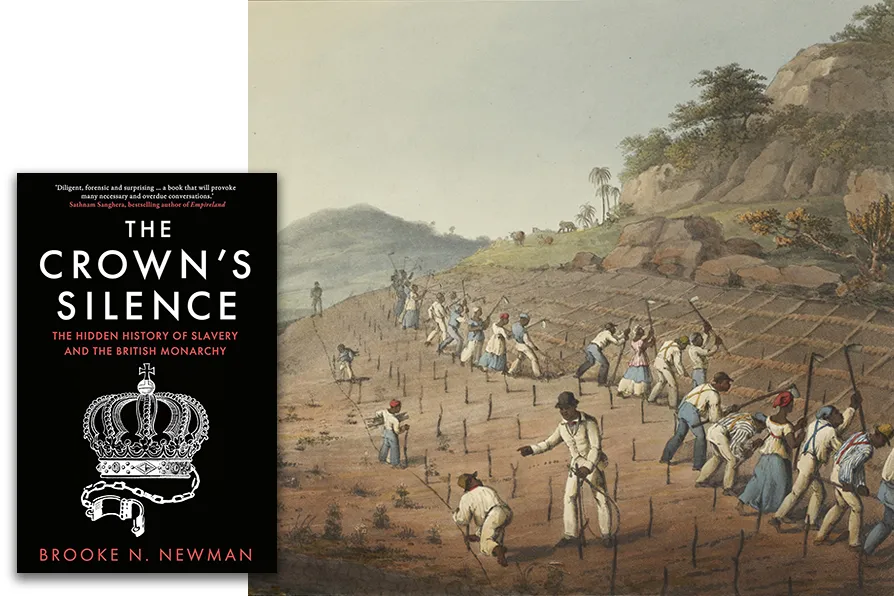
ELLIS RAE recommends a stunning history of the active role played by the British monarchy in establishing and profiting from slavery
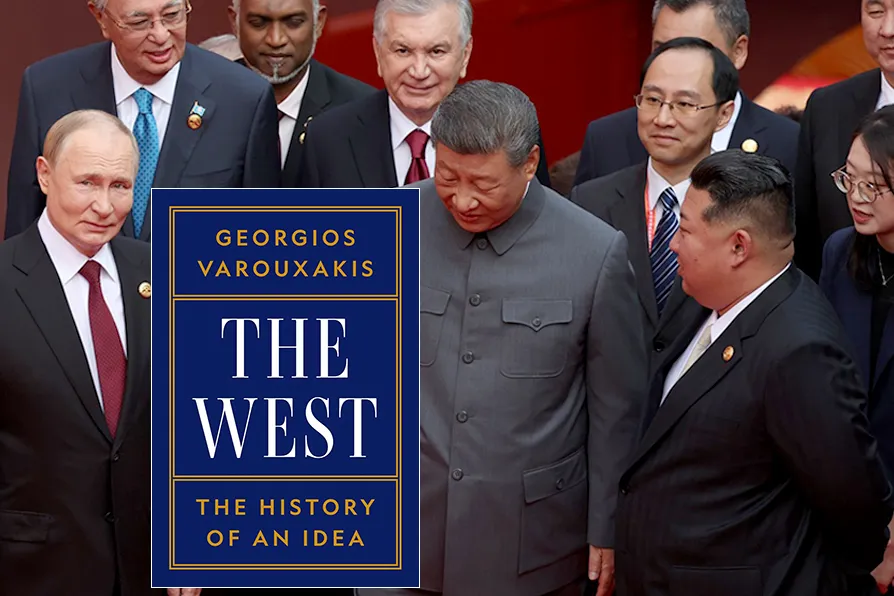
BRENT CUTLER is intrigued by the imperialist, supremacist and contradictory history of a word that is used all too easily
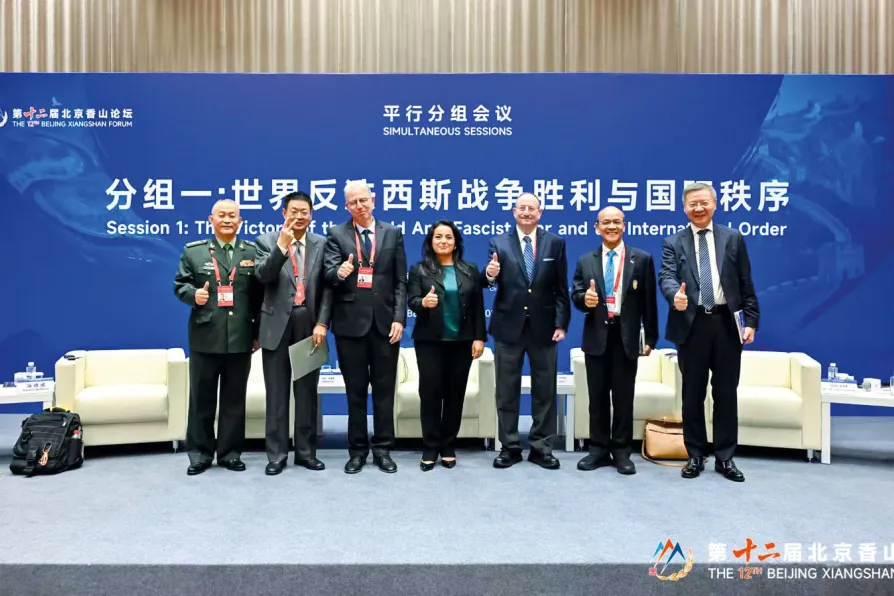
In a speech to the 12th Xiangshan Forum in Beijing, SEVIM DAGDELEN warns of a growing historical revisionism to whitewash Germany and Japan’s role in WWII as part of a return to a cold war strategy from the West — but multipolarity will win out