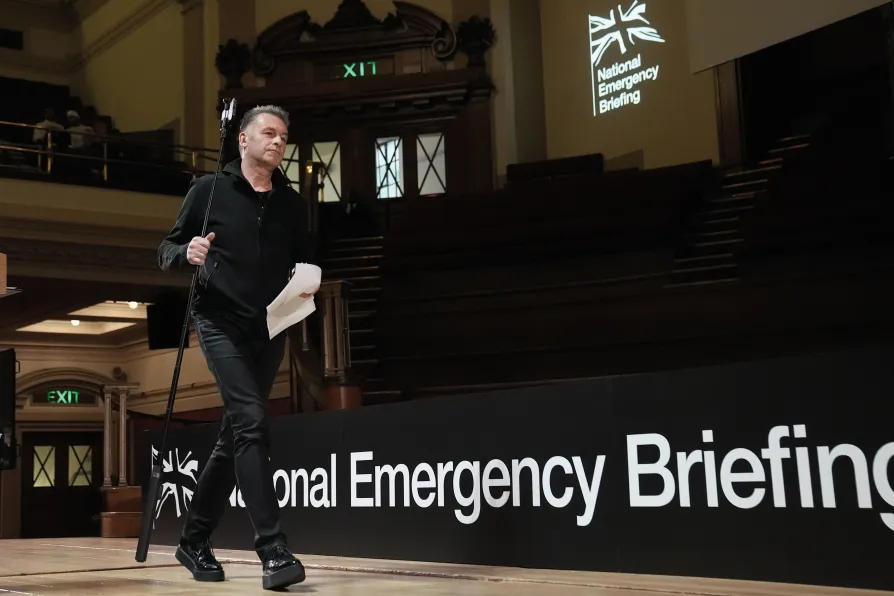
The National Emergency Briefing outlines the need for urgent action to address environmental crisis, says PAUL DONOVAN, warning that there’s no time to indulge the arguments of the fossil-fuel-funded climate-change deniers


 Latest editorial
Greening the South Pole
Vegetation is growing at an alarming rate on Antarctica’s northernmost region, write ROX MIDDLETON, LIAM SHAW and MIRIAM GAUNTLETT
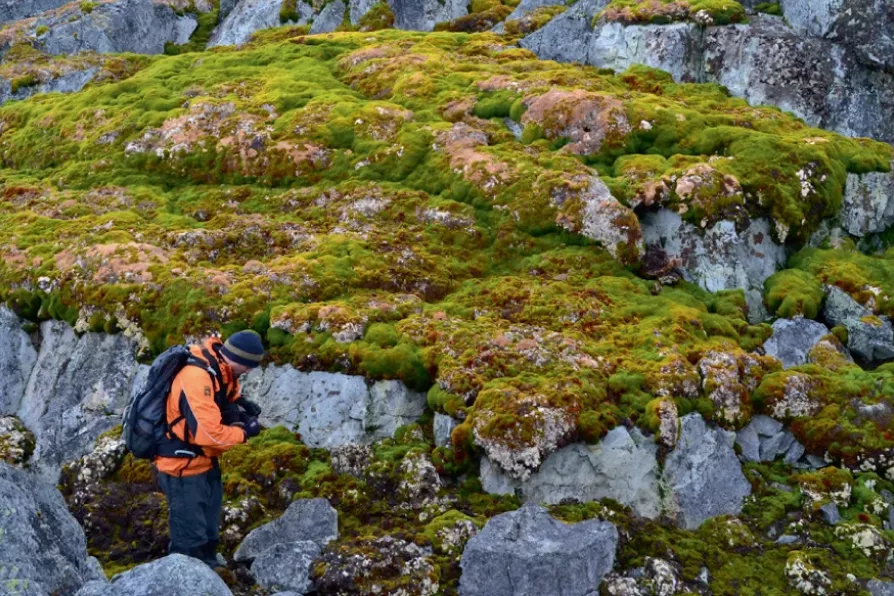 Studying a moss bank on bare rock, Norsel Point, in the Antarctic Peninsula
[Nature Geoscience (Nat Geosci)/Creative Commons]
Studying a moss bank on bare rock, Norsel Point, in the Antarctic Peninsula
[Nature Geoscience (Nat Geosci)/Creative Commons]
Campaigners say criticism of Labour MP Stephen Morgan’s position on Gaza has been met with police intervention and cancelled opportunities for debate. HESTER WOLFE reports
The Committee for the Defence of Iranian People’s Rights warns of escalation danger in Iran war
Claudia Webbe pays tribute tribute to KANYA KING CBE, February 12 1964 to June 3 2026
The Milburn review presents itself as a plan to help young people into work, but Dr DYLAN MURPHY argues it is laying the groundwork for a harsher benefits regime
Campaigners from across the continent will gather in Brussels on June 14 to oppose Europe’s accelerating militarisation and cuts to public services, write MAGGIE SIMPSON and BOB ORAM of No Cold War Britain


TODAY, we know Antarctica as a snow-dominated landscape, a continent covered with a permanent glacial ice-sheet. However, 41 million years ago, Antarctica looked very different: it was carpeted with lush forests that rang with birdsong with distant snow-capped mountains. That began to change 31 million years ago, as global temperatures dropped.
The transition is described by the palaeobiologist Thomas Halliday in his book Otherlands (2022). Soon (in geological terms, that is) the ice descended from Antarctica’s mountaintops, “spreading across the entire continent and forcing out almost all plants and animals.” Of Antarctica’s range of animals, only the emperor penguins were able to adapt at the right pace and retain their habitat on what became Earth’s most forbidding continent.
Antarctica’s northernmost point is the Antarctic Peninsula. Unlike the rest of Antarctica it is not completely icebound: only 80 per cent is currently covered by ice. But the remaining 20 per cent is usually rocky. Now, new research published this week in Nature Geoscience confirms that climate change is affecting Antarctica’s plant life.

Similar stories
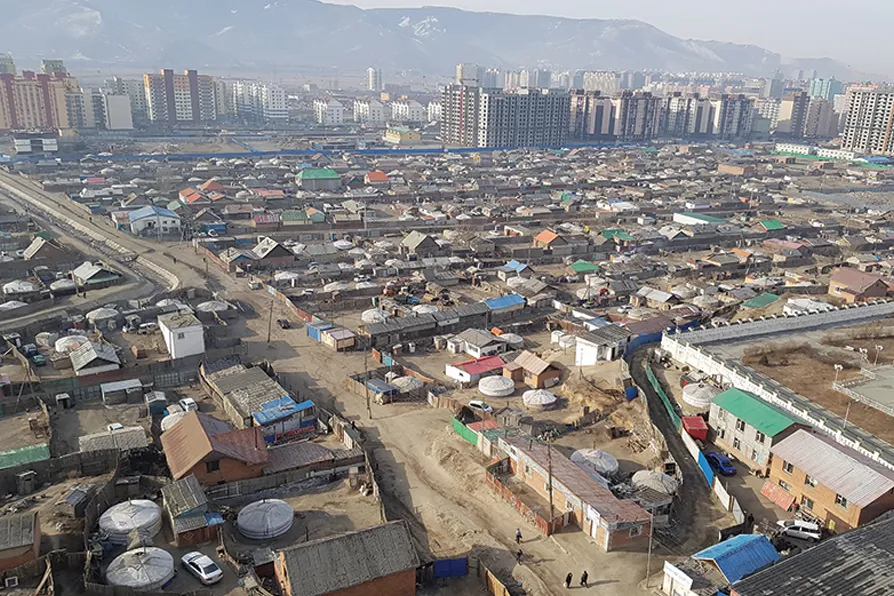
Coal-fired stoves in traditional homes are the primary source of extreme levels of air pollution in over-crowded Ulaanbaatar. As more people become climate-displaced, the situation is likely to worsen, write SCIENCE AND SOCIETY
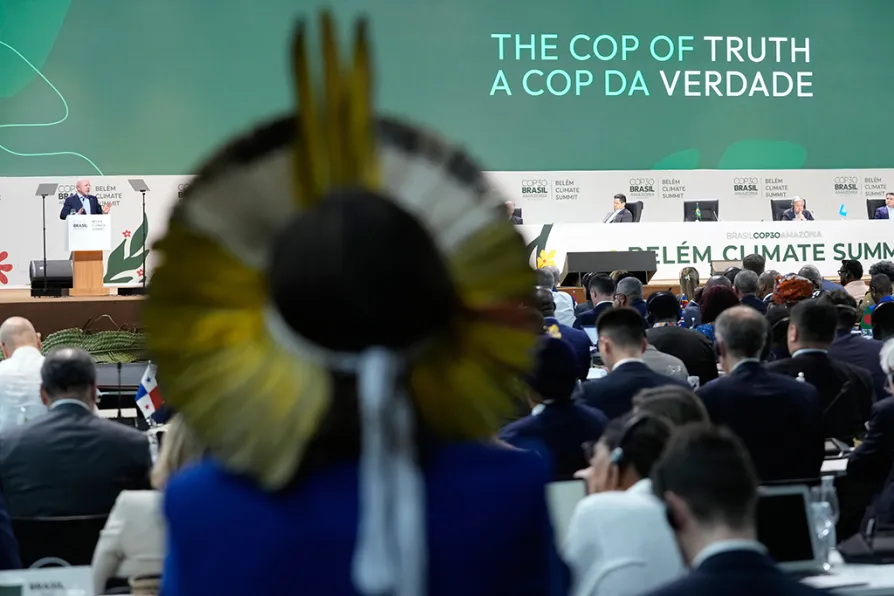
From summit to summit, imperialist companies and governments cut, delay or water down their commitments, warn the Communist Parties of Britain, France, Portugal and Spain and the Workers Party of Belgium in a joint statement on Cop30
One of the major criticisms of China’s breakneck development in recent decades has been the impact on nature — returning after 15 years away, BEN CHACKO assessed whether the government’s recent turn to environmentalism has yielded results

200 years since the first dinosaur was described and 25 after its record-breaking predecessor, the BBC has brought back Walking with Dinosaurs. BEN CHACKO assesses what works and what doesn’t